

Hospital
Advertisement

The trial's success offers the first robust evidence for targeted pharmacologic intervention in adolescent oHCM.
Advertisement


For decades, the medical community has operated under a reactive model for the most potent cholesterol-lowering drugs, largely reserving them for secondary prevention.

The findings emphasize that when it comes to the complex machinery of human blood pressure, more drug is not always better.
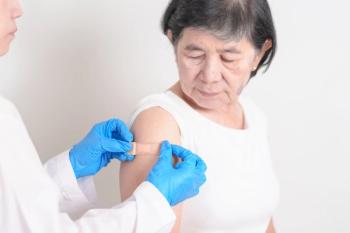
With updated recommendations for adults aged 50 and older, pharmacy teams are uniquely positioned to bridge gaps in care through community engagement and proactive clinical assessments.
Advertisement
Gene and cell therapies are reshaping clinical workflows—and pharmacists are becoming essential guides in that shift.

Historically, dulaglutide was a preferred choice because it was proven to reduce major adverse cardiovascular events in the REWIND trial.

The RECOVER-AUTONOMIC trial underscores the necessity of better clinical end points to assess interventions in the long COVID population.

CHAMPION-AF may potentially lead to a shared decision-making process between a lifetime of medication and a one-time catheter-based procedure.
Advertisement
Formal preceptor leadership pathways can reduce RPD burden and improve resident support across programs.


In a session at the American Pharmacists Association Annual Meeting, Craig Beavers, PharmD, FACC, FAHA, FCCP, BCCP, BCPS-AQ Cardiology, CACP, provided practical insights for pharmacists to optimize the care of patients with cardio-kidney-metabolic conditions.

CDC flags a late respiratory syncytial virus (RSV) rise, while the NFID urges spring vigilance, vaccines, and monoclonals to protect infants and older adults from this virus.
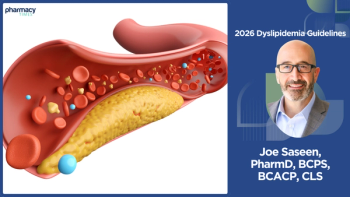
Joseph Saseen, PharmD, explains the 2026 dyslipidemia guidelines' push for universal lipoprotein A screening, clarifies when apolipoprotein B testing adds value, and outlines how new FDA-approved therapies fit into the updated lipid-lowering treatment algorithm.
The safety and effectiveness of marne-cel were established in an open-label, single-arm, multicenter phase 1/2 clinical trial.

Experts discuss the 340B Pricing Program, sharing updates, ongoing challenges, and solutions for pharmacists.

A panel of neurology pharmacy specialists discusses the expanding clinical role of pharmacists in multiple sclerosis care.

Late-stage Lyme disease vaccine candidate VLA15 boosts immunization hopes as tick infections rise.

Tarlatamab, a DLL3 T‑cell engager, advances treatment of extensive‑stage SCLC.

Insights from the 2026 HOPA Annual Conference highlight the pharmacist's role in operationalizing belantamab mafodotin.
The indication is for patients who have received 1 to 3 prior systemic treatment regimens, of which at least 1 includes bevacizumab.
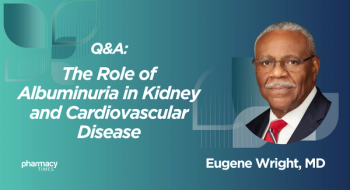
Albuminuria (uACR) flags early vascular damage linking chronic kidney disease and cardiovascular risk.

A new 2026 American Heart Association study shows COVID-19 infection sharply raises heart attack risk, whereas vaccination appears safe—key guidance for patient counseling.

Pharmacists play a key role in modern obesity care through education, access support, and collaboration.

Long-acting HIV injections and twice-yearly PrEP reshape care, while pharmacists tackle stigma, insurance hurdles, and adherence to close access gaps.

Clinical pharmacists reshape PBMs with medication optimization, cutting drug spend and improving outcomes through smarter, safer prescribing.

Swapping 30 minutes of teen sedentary time for vigorous activity or extra sleep cuts insulin resistance by 15%, aiding type 2 diabetes (T2D) prevention.

Joseph Saseen, PharmD, breaks down how the new PREVENT ASCVD calculator improves on its predecessor and what the expanded LDL-C goal framework means for treatment decisions in pharmacy practice.

Advertisement
Advertisement
Trending on Pharmacy Times
1
Pharmacists as the Glue in Cardio-Kidney-Metabolic Care
2
Extended-Interval Tarlatamab Dosing Offers Pharmacists More Flexible Administration Windows in SCLC
3
Pharmacists Can Close the LDL Control Gap in Lipid Care
4
Cancer Among 9/11 Survivors Is Accelerating 25 Years Later
5