
Hospital
Advertisement

Waters Corporation's Onclarity HPV Self-Collection Kit represents a significant advance in expanding access to cervical cancer screening outside the clinic.
Advertisement
The CDC testing pause disrupts diagnostic testing for infectious diseases like rabies and mpox, leaving pharmacists and states scrambling for answers.
Meitheal Pharmaceuticals launches propofol sedation vials for ICU and surgery, cutting waste and dosing errors with 3 single-dose sizes.

Practical strategies to improve clozapine education, monitoring, and utilization while addressing common barriers and safety concerns.
Phase 3 PATCH trial data show estrogen patches reduce hot flashes but raise gynecomastia risk.
Advertisement

Myelofibrosis model reveals malignant stem cells reprogram healthy support cells, fueling inflammation and fibrosis.
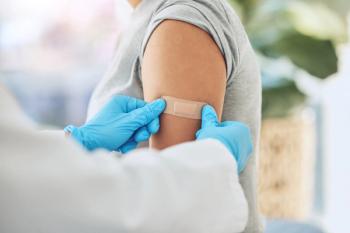
The influenza vaccine halves the risk of heart attack and stroke after infection, offering cardiovascular protection even when breakthrough influenza occurs.

A pharmacist's guide to the most common cancer myths circulating online.

Octogenarians with early-stage non–small cell lung cancer (NSCLC) can safely undergo surgery and achieve survival and quality-of-life outcomes comparable to those of younger patients.
Advertisement

AI is reshaping pharmacy, from catching dangerous drug interactions to personalizing chemotherapy dosing.

Review finds prior authorizations delay neurologic treatment, trigger relapses, and intensify clinician burnout, spurring calls for rapid reform.

Team-based, multidisciplinary care aids personalized treatment, improving coordination across complex therapies, and enhances patient outcomes and long-term quality of life.


Circulating tumor DNA detected after neoadjuvant therapy may serve as a powerful biomarker for minimal residual disease and help predict breast cancer recurrence.

Data from a new 20-year analysis reveal persistent inequities in influenza vaccination among a high-risk cardiovascular population.

Pharmacy supply chain disruptions directly shape the treatment that patients receive, making it vital that pharmacists understand the causes and consequences of delays.
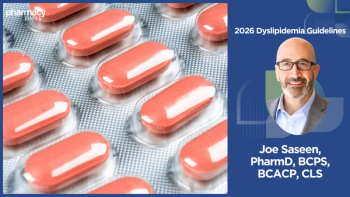
Joseph Saseen, PharmD, addresses statin intolerance and misinformation and provides a look at aggressive new LDL targets and emerging therapies not yet captured in the 2026 guidelines.

AHA Epidemiology Sessions 2026 show that chronic kidney disease (CKD) proteinuria drops of 30% or more cut heart failure, major adverse cardiovascular events, and death, a key prevention signal.
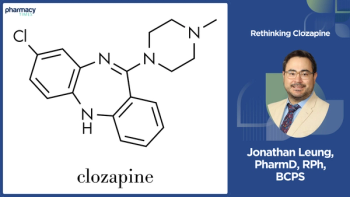
Jonathan Leung, PharmD, RPh, BCPS, discusses the ongoing underutilization of clozapine despite its efficacy, highlighting clinician concerns, lingering perceptions, and the key role pharmacists play in improving its use through education and monitoring.
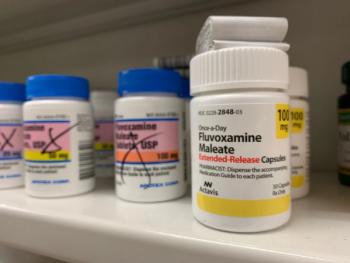
Fluvoxamine significantly reduced fatigue in adults with long COVID, with a 99% probability of outperforming placebo.

At APhA 2026, Callan Bleick, PharmD, MSc, laid out a stark picture of antimicrobial resistance, vaccine-preventable disease resurgence, and updated treatment guidelines.

Selinexor plus ruxolitinib significantly improved spleen volume reduction in JAK inhibitor–naive myelofibrosis, supporting its potential as a novel frontline combination strategy.
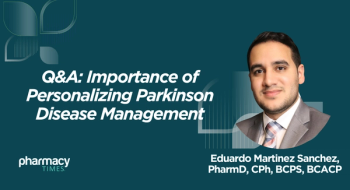
Martinez Sanchez describes early signs of Parkinson disease, how treatment adapts, and how ambulatory pharmacists fine-tune treatment, adherence, and hope amid new therapies.
Pharmacists' role in lipid management takes center stage with the 2026 dyslipidemia guideline update.

Eduardo Martinez Sanchez, PharmD, CPh, BCPS, BCACP, discusses key counseling points, the importance of individualizing disease management, and promising therapies to keep an eye on.

In a phase 2a trial, the oral NLRP3 inhibitor VTX3232 significantly reduced systemic and liver inflammation markers—including hsCRP and IL-6—independent of weight loss, suggesting a promising new approach to lowering cardiovascular risk in patients with obesity.
A phase 3 trial found that the oral PCSK9 inhibitor enlicitide significantly outperformed existing oral therapies in lowering LDL cholesterol.
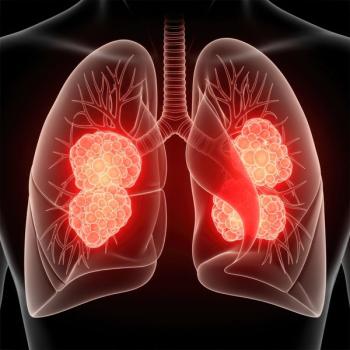
New research identifies caspase-8 loss as a key driver of inflammatory reprogramming and tumor recurrence in small cell lung cancer.

Advertisement
Advertisement
Trending on Pharmacy Times
1
Pharmacists as the Glue in Cardio-Kidney-Metabolic Care
2
Extended-Interval Tarlatamab Dosing Offers Pharmacists More Flexible Administration Windows in SCLC
3
Pharmacists Can Close the LDL Control Gap in Lipid Care
4
Cancer Among 9/11 Survivors Is Accelerating 25 Years Later
5