

The experimental drug successfully reduced levels of SIV, the nonhuman primate equivalent of HIV, in the brain.
The experimental drug successfully reduced levels of SIV, the nonhuman primate equivalent of HIV, in the brain.
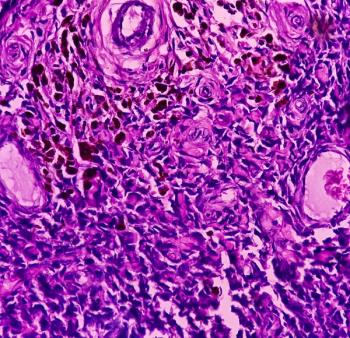
Afami-cel was approved in conjunction with MAGE-A4 IHC 1F9 pharmDx, a diagnostic tool that can identify patients eligible to receive the treatment for synovial sarcoma.

The diagnostic tool can aid the identification of patients with synovial sarcoma who may be eligible for treatment with newly approved afamitresgene autoleucel.

This is the first and only on-demand, virus-inactivated, human plasma-derived concentration option that is indicated for this approval.

Pharmacists play a key role in the use of live biotherapeutic products, including fecal microbiota, live-jslm for prevention of recurrent Clostridioides difficile (C difficile) infection.

Fabry disease is a rare X-linked, lysosomal storage disorder that can cause renal failure or stroke.

The findings provide guidance for clinicians and patients when navigating therapeutic options to establish treatment plans.

Understanding and accounting for linguistic diversity is critical in diagnostics and treatment for dementia.

Pharmacies can adapt by embracing digital self-service options to better engage with patients, meet increasing consumer demand, and enhance revenue streams.

If approved, the drug would be the first in a new class of medications to treat acute pain in over 20 years.

The approval streamlines treatment administration to eliminate compounding steps, reduce preparation time, and enhance safety for clinicians.

By functioning as an antibody replacement therapy, IVIG can be used to manage a wide range of inflammatory and autoimmune disorders.

Educate patients about the importance of vaccination in preventing severe disease.

One-third of patients treated with deuruxolitinib displayed 80% of scalp hair coverage.

Early identification of monoclonal gammopathy of undetermined significance leads to more efficacious disease monitoring and intervention.

Advancements in treatment include immune checkpoint inhibitors and BRAF/MEK inhibitors, though resistance remains a challenge, with lifileucel recently approved for previously treated metastatic cases.

The similarities were shown for both the US formulation and the EU formulation.

Kristian Hurley, senior vice president of Programs, Advocacy, and Health Equity at Beyond Type 1, discussed the importance of proactive screening for patients with signs of type 1 diabetes (T1D).

The BLING III trial investigated continuous vs intermittent β-lactam antibiotic infusions in critically ill patients with sepsis, finding no significant difference in 90-day mortality but suggesting potential benefits in clinical cure rates.

One of the most important drivers of a patients’ uncontrolled hypertension is medication nonadherence.

Increased levels of absolute lymphocyte count are associated with improved response to BCMA-targeted CAR T-cell therapy.
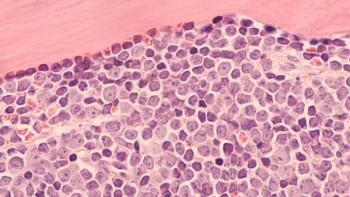
The new approach could optimize precision medicine and lead to better outcomes across a variety of disease states.

Unbridled drugflation, or a point-in-time measure of the rising cost of pharmacy benefits, is taking its toll on corporate bottom lines and household budgets.

The FDA’s designation builds off positive results in a phase 1b/2a clinical trial, showing that the vaccine can effectively target the Tau protein.

The investigational drug achieved non-inferiority compared to routine Factor VIII.

Patients without insurance may not be able to afford the biosimilar adalimumab-adbm, even if it is available at a more affordable price than its reference product.

Career ladders for pharmacy technicians not only support the staff themselves, but also the broader success of the health system.

New strategies can improve cholesterol management in patients with ASCVD.

AIC100 could meet an unmet medical need to effectively treat individuals with anaplastic thyroid cancer — the most aggressive form of the disease.

Studies show an increased prevalence of autism spectrum disorder in children of mothers; mouse models have shown links between maternal asthma and altered behavior and brain function.