

Experts discuss Project Lifeline’s integration of SBIRT in community pharmacies, highlighting its effectiveness in identifying and addressing opioid use disorder while exploring strategies for broader implementation.

Luke Halpern is an associate editor with Pharmacy Times. Luke wrote for Pharmacy Times in the summer of 2023 and assumed a full-time role in June 2024. His work has been featured in Pharmacy Times and the American Journal of Managed Care. He graduated from the University of Massachusetts, Amherst, in May 2024.
Experts discuss Project Lifeline’s integration of SBIRT in community pharmacies, highlighting its effectiveness in identifying and addressing opioid use disorder while exploring strategies for broader implementation.

PD-L1 immune checkpoint inhibitors are now standard for early-stage non-metastatic non-small cell lung cancer (NSCLC), with neoadjuvant, adjuvant, and perioperative strategies improving survival and outcomes.

Approval of durvalumab is in combination with gemcitabine and cisplatin as neoadjuvant treatment for adults with muscle invasive bladder cancer.

Approval of fitusiran, a small interfering RNA drug, was found effective in patients with hemophilia regardless of inhibitor status.

These results align with those from shorter-term analyses of low-density lipoprotein cholesterol (LDL-C) reductions with evolocumab and cognitive impairment risk.

Low-density lipoprotein cholesterol value below 88 mg/dL was associated with heightened mortality, highlighting the need for more liberal cholesterol targets in this population.

The approval fills a treatment gap for patients with this rare disease, which can severely diminish quality of life.

Interim results from an observational trial of patients with myelofibrosis indicate upward trends in health-related quality of life when started on the highest tolerable dose of ruxolitinib.
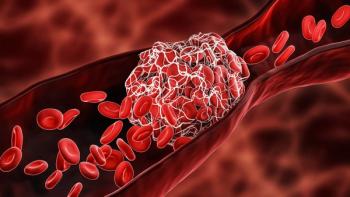
Using Janus kinase inhibitors, having experienced a previous thrombosis episode, and higher age were associated with a heightened risk of a new thromboembolic event.

In previously sedentary young males and females, 14 days of moderate aerobic exercise increased red and white blood cell counts and hemoglobin concentrations without altering key cardiometabolic enzymes.

Older age and being insured with Medicare or Medicaid were associated with heightened annual joint bleeding rates, whereas treatment in the Northeast United States improved outcomes in both hemophilia A and hemophilia B.

If approved, this novel monoclonal antibody therapy could become a standard of care emergency option for patients with acute myocardial infarction, which affects millions in the United States and across the world.

The innovative neonatal cardiac progenitor cell therapy is designed to repair heart tissue in patients with heart failure with preserved ejection fraction (HFpEF).

Non-high-density lipoprotein cholesterol was found to be more effective at predicting cardiovascular events such as stroke, myocardial outcomes, heart failure, and others compared with low-density lipoprotein cholesterol.

Allison Ju-Chen Hu, PhD and Yuhua Bao, PhD describe results of their landmark study that found significant differences in opioid prescriptions in racially and ethnically minoritized communities.

The new indication for guselkumab in Crohn disease builds off a previous approval in ulcerative colitis, providing patients a treatment option for the major forms of inflammatory bowel disease.
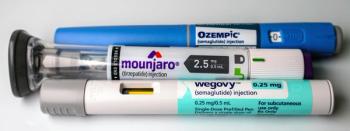
An expert roundtable discussed what consumers and pharmacists should be aware of as compounded versions of glucagon-like peptide-1 receptor agonists continue to proliferate.

Allogeneic stem cell transplant (allo-SCT) conditioning with busulfan/fludarabine with thiotepa and posttransplant cyclophosphamide induced improved 2-year progression-free survival and overall survival in patients with myelofibrosis, especially older adults.

Results highlight promising advancements in novel treatments for patients with HIV-1, including a combination regimen with broadly neutralizing antibodies and long-term data on bictegravir, emtricitabine, and tenofovir alafenamide (Biktarvy).

Patients with a disorder from this family of neurodevelopmental conditions face a lack of approved treatment options, making radiprodil poised to transform the treatment paradigm.

As indicated by prior literature, a second dose of intravenous immunoglobulin (IVIG) in patients with Guillain-Barré syndrome increases serum immunoglobulin G levels without improving clinical outcomes.

The 3CL protease inhibitor is designed to suppress the replication of SARS-CoV-2, preventing COVID-19 illness, even if a household member is infected.

Treatment with ruxolitinib in patients with myelofibrosis and anemia was associated with more inpatient medical center and emergency department visits while increasing health care-related financial burdens compared with nonanemic patients.

Alcohol consumption, though typically associated with adverse health outcomes, could be associated with reduced low-density lipoprotein cholesterol (LDL-C) and improved high-density lipoprotein cholesterol (HDL-C).

Pharmacists play an essential role in counseling patients on biosimilar substitution protocols and following state regulations regarding interchangeable medications.

Reported terminations and limitations on research projects studying vaccine hesitancy and strategies to increase vaccine uptake are poised to greatly impact studies of the phenomenon.

Measures including disease-free survival and overall survival were improved in patients with MF who underwent hematopoietic stem cell transplantation (HSCT) and a 3D volumetric splenomegaly analysis.

Pharmacists are crucial in Elevidys administration, ensuring accurate dosing, coordinating treatment timing, and managing adverse effects to optimize patient outcomes.

Eculizumab, a humanized monoclonal antibody, was first approved for adults with generalized myasthenia gravis in 2017.
Compared with daily oral iron, a single intravenous (IV) infusion of iron was shown to lower rates of low birth weight in infants and decrease reliance on further iron supplementation or transfusions in pregnant patients with anemia.