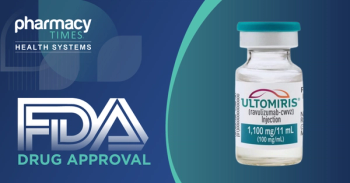
The approval gives patients aged 12 years and older a once-daily oral pellet alternative to capsules for preventing hereditary angioedema (HAE) attacks.
FDA approval brings durvalumab plus BCG to frontline high-risk NMIBC, boosting disease-free survival and expanding oncology options.
The FDA has approved durvalumab (Imfinzi; AstraZeneca) in combination with BCG for the treatment of adult patients with BCG-naive, high-risk non–muscle invasive bladder cancer (NMIBC). The approval introduces a new frontline treatment option for patients with high-risk disease following transurethral resection of bladder tumor (TURBT).1
The agency based its approval on findings from the phase 3 POTOMAC trial (NCT03528694), which evaluated durvalumab in combination with BCG induction and maintenance therapy in patients with BCG-naive, high-risk NMIBC.2 High-risk NMIBC was defined as the presence of T1 tumors, grade 3 or high-grade tumors, carcinoma in situ (CIS), or multiple, recurrent, and large tumors.1
In the randomized, open-label, multicenter study, investigators enrolled 1018 patients following TURBT. Patients were randomly assigned 1:1:1 to receive one of the following regimens: durvalumab every 4 weeks for 13 cycles plus BCG induction and maintenance therapy; durvalumab plus BCG induction only; or BCG induction and maintenance alone.1,2
The primary end point was investigator-assessed disease-free survival (DFS), defined as the time from randomization to recurrence of high-risk NMIBC, persistent CIS, muscle-invasive bladder cancer, metastatic disease, or death.1
At a median follow-up of 60.7 months, investigators observed a statistically significant improvement in DFS among patients receiving durvalumab plus BCG induction and maintenance compared with BCG alone. The combination reduced the risk of recurrence of high-risk disease or death by approximately 32% (HR, 0.68; 95% CI, 0.50-0.93; P = .015).2 Median DFS was not reached in either treatment arm at the time of analysis.1
Investigators reported 67 DFS events in the durvalumab plus BCG induction and maintenance group compared with 98 events in the BCG-alone group. According to the study authors, the findings demonstrated a clinically meaningful benefit of adding immune checkpoint inhibition to standard BCG therapy in this setting.2
“Among patients with BCG-naive, high-risk NMIBC, 1 year of durvalumab combined with BCG induction and maintenance therapy showed a statistically significant and clinically meaningful improvement in DFS vs BCG induction and maintenance alone,” the investigators wrote.2
Safety findings were generally consistent with the known profiles of durvalumab and BCG. Grade 3 or 4 treatment-related adverse events occurred in approximately 21% of patients receiving durvalumab plus BCG induction and maintenance, compared with 4% of patients receiving BCG alone. No treatment-related deaths were reported.2
The prescribing information for durvalumab includes warnings and precautions for immune-mediated adverse reactions, infusion-related reactions, complications of allogeneic hematopoietic stem cell transplantation, and embryo-fetal toxicity.1
The recommended dose of durvalumab for patients weighing at least 30 kg is 1500 mg intravenously every 4 weeks for up to 13 cycles in combination with BCG induction and maintenance therapy. Treatment should continue until recurrence of high-risk disease, progression, unacceptable toxicity, or completion of the maximum 13 cycles.1
According to the FDA, the application underwent standard review and used the agency’s Assessment Aid program, a voluntary submission process to facilitate regulatory review.1