

Conference Coverage
about 19 hours ago
CagriSema Tied to 25% Weight Loss in Women, Post Hoc Data Showabout 20 hours ago
Hypoalbuminemia and Beta-Lactam Dosing: Why ID Experts DisagreeLatest News

Oct 22, 2026 | News
Extended-Interval Tarlatamab Dosing Offers Pharmacists More Flexible Administration Windows in SCLC

Little Patients, Big Lessons: The Power of Mentorship in Pediatric Pharmacy
Oct 22, 2026

Managing Cancer-Related Nerve Pain: Where Pharmacist Follow-Up Fits
Oct 22, 2026

New Berotralstat Oral Pellet Formulation Receives FDA Approval for Adults, Adolescents With HAE
Oct 22, 2026

CagriSema Tied to 25% Weight Loss in Women, Post Hoc Data Show
Oct 22, 2026





Advertisement
Shorts

0:43
Why Targeting a Constrained Epitope May Make COVID-19 Monoclonal Antibodies More Durable
7 days ago
by
Michael Mina, MD, PhD(+1 more)

0:43
Butter, Beef Tallow, or Plant-Based Oil: Which Raises LDL Most?
10 days ago
by
Carol F. Kirkpatrick, PhD, MPH, RDN, FNLA(+1 more)

1:03
Pharmacists Help Close Gaps in Lipid Care and Lp(a) Testing
11 days ago
by
Dinesh Kalra, MD, MBA, FNLA, FACC, FAHA(+1 more)
0:49
Lp(a) Testing Now Recommended Once for All Adults
15 days ago
by
Dinesh Kalra, MD, MBA, FNLA, FACC, FAHA(+1 more)
0:48
Inside the LIBERTY Study: Testing mRNA Vaccination and Monoclonal Antibodies Side by Side
16 days ago
by
Michael Mina, MD, PhD(+1 more)

0:48
Meeting Patients Where They Are: Pharmacists and HIV Prevention
22 days ago
by
Kevin Astle, PharmD, BCPS, BCACP, AAHIVP, CDCES(+1 more)

0:42
Why Pharmacists Should Pair Pneumococcal Vaccination With Tobacco Screening
23 days ago
by
Robin Corelli, PharmD(+1 more)
1:12
Highlighting the Work of Ambulatory Care Pharmacists
a month ago
by
Kelsey Norman, PharmD, BCCP, BCACP(+2 more)
1:45
New England Ambulatory Care Pharmacists Have a Community With NEIAP
a month ago
by
Katelyn O'Brien, PharmD, BCPS, CDCES, BC-ADM(+3 more)
2:14
The Importance of NEIAP to Ambulatory Pharmacy
a month ago
by
Jennifer Goldman, PharmD, RPh, CDCES, BC-ADM, FCCP(+2 more)














Advertisement
All News
Advertisement
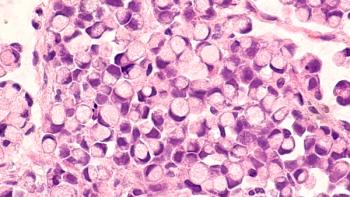
ENDURANCE trial finds fixed 2-year lenalidomide maintenance matches continuous therapy for standard-risk multiple myeloma survival, guiding oncology pharmacists on MM regimen toxicity.
Mounjaro becomes the first GIP/GLP-1 receptor agonist cleared to lower MACE risk, based on the SURPASS-CVOT head-to-head trial.

Sea buckthorn is a commonly used herbal for respiratory health—US pharmacists are knowledgeable in educating patients on herbals, especially during the cold season.

Two recent graduates share strategies for standing out in the competitive fellowship application process.

Community pharmacies are access points, safe places, and sources of stability when everything else feels uncertain.

In the phase 3 B-Well trials, about 1 in 5 adults reached functional cure after a fixed course, but a boxed warning makes monitoring key for pharmacists.

Phase 3 Krascendo 1 results suggest investigational divarasib could improve survival compared with currently approved KRAS G12C inhibitors in previously treated NSCLC.

This study found that use of fixed-dose 4F-PCC is a safe, efficient alternative to weight-based dosing and can lead to cost savings for the health system.

Tucatinib’s new HER2-positive breast cancer maintenance indication extends disease control while requiring close liver monitoring and pharmacist coordination of oral therapy with ongoing antibody treatment.

Impostor syndrome prevalence in oncology pharmacists is a complex topic that is not well described.
Advertisement

This quiz was created in collaboration with PTCE™.

Pharmacy professionals can leverage LinkedIn to build a professional brand, expand meaningful connections, share expertise, and create opportunities for career growth.

An Italian pharmacy student offers an inside look at pharmacy education in Italy, from admission and coursework to oral exams and professional training.

The PD-1 inhibitor is the first immunotherapy approved for stage II and III MSI-H/dMMR locally advanced rectal cancer and may allow eligible patients to avoid chemotherapy, radiation, and surgery.

The once-nightly drop, previously approved to reverse pupil dilation, met its primary end point in 2 phase 3 trials, with conjunctival hyperemia most common.

Public data may help identify drugs associated with shortages, but hospital inventory and purchasing data could make early-warning tools more useful.

Danielle Roman, PharmD, BCOP, FHOPA, explains how ASCO’s updated breast cancer surveillance guideline links follow-up intensity to recurrence risk and creates opportunities for pharmacist involvement.

Pharmacy students can create greater career optionality by viewing the PharmD as a professional platform rather than a predetermined job title.

FDA-approved capivasertib triplet improves rPFS in PTEN-deficient mCSPC; learn dosing, key drug interactions, and managing diarrhea, hyperglycemia, and rash.
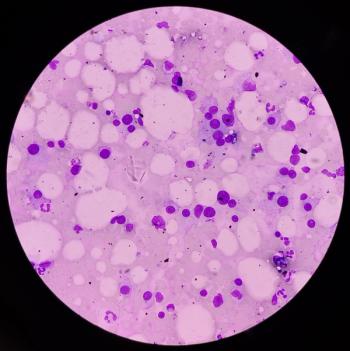
Isatuximab on-body injector enables quick, hyaluronidase-free subcutaneous dosing, reducing reactions and easing multiple myeloma clinic workflows.
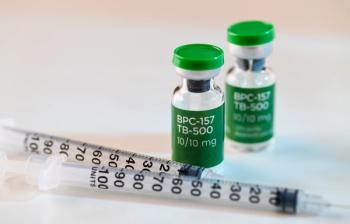
A summer PCAC vote pushes 6 peptide families toward the 503A bulks list—but the FDA's decision is still pending.

After initial breast cancer treatment, pharmacists can help patients navigate ongoing endocrine therapy, manage persistent adverse effects, and address medication concerns that affect long-term care.
Parminder K. Judge, PhD, explains why eGFR and electrolytes should be monitored when diuretics are added to reach intensive BP targets in patients with CKD
Advertisement
Advertisement
Trending on Pharmacy Times
1
FDA Approves Bepirovirsen, First ASO for Chronic Hepatitis B
2
Operationalizing Therapy and Managing Hypophosphatemia Risk at UPMC
3
FDA Grants Accelerated Approval to Ravulizumab for Proteinuria Reduction in IgA Nephropathy
4
Can AI Help Predict Drug Shortages?
5