
Conference Coverage
Latest News

Jun 25, 2026 | News
Cenrifki Becomes First EU-Approved Therapy Targeting Disability Progression in Nonrelapsing SPMS

Beyond Injections: The Rise of Oral GLP-1 Therapy
Jun 25, 2026

Automation in Pharmacy: Strategies for Health System Success
Jun 25, 2026

FAQs Amid the Ongoing US Measles Outbreaks
Jun 25, 2026
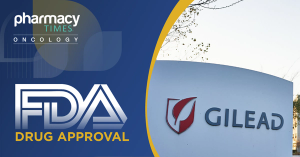
FDA Approves Sacituzumab Govitecan for First-Line Treatment of Advanced Triple-Negative Breast Cancer
Jun 24, 2026



Advertisement
Shorts

0:57
Experts at McKesson ideaShare Discuss the Importance of the Meeting
14 hours ago
by
Suzanne Feeney, PharmD(+4 more)

0:44
Preparing Oncology Pharmacists for Increasingly Complex Cancer Care
2 days ago
by
Chris Elder, PharmD, BCOP(+1 more)

1:14
McKesson ideaShare Brings Advocacy and Pharmacy Together
5 days ago
by
Sandie Kueker, RPh(+1 more)

0:31
Independent Pharmacy Furthers Health Outcomes for All | McKesson ideaShare 2026
6 days ago
by
Niki Shah, MHSA, MBA, CCHW(+2 more)

0:52
What to Know as McKesson ideaShare Comes to Denver
7 days ago
by
Luke Halpern, Associate Editor

1:51
How Hantavirus Spreads and How to Protect Patients
7 days ago
by
Saro Arakelians, PharmD(+1 more)

1:32
Once-Weekly Insulin Icodec Approved for Type 2 Diabetes
9 days ago
by
Saro Arakelians, PharmD(+1 more)

0:42
Can Pembrolizumab Enhance Olaparib Maintenance Therapy in Metastatic Pancreatic Cancer? Insights From SWOG S2001
10 days ago
by
Vincent Chung, MD(+1 more)

1:58
Expert Cardiologists Give Advice to Pharmacists to Improve Care Tomorrow
14 days ago
by
Luke Halpern, Associate Editor(+3 more)

0:55
Anti-Amyloid Therapies Create Hope and Complexities in Alzheimer Disease Treatment
17 days ago
by
Josean Gonzalez, PharmD, BCPP(+1 more)
Podcasts


Videos


Continuing Education















Advertisement
All News
Advertisement
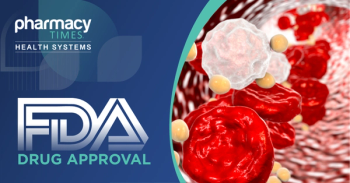
Olezarsen Receives FDA Approval to Reduce Triglycerides, Risk of Acute Pancreatitis in Severe Hypertriglyceridemia
Published: | Updated:
The agent is to be used alongside diet adjustments in adult patients.
The FDA approved palbociclib-based maintenance therapy for HR-positive, HER2-positive advanced breast cancer following a significant progression-free survival benefit in PATINA.

As these tools continue to move into mainstream diabetes management, it is increasingly important that pharmacists have proficiency.

Marijuana’s move to Schedule III has reignited a long-standing contradiction.
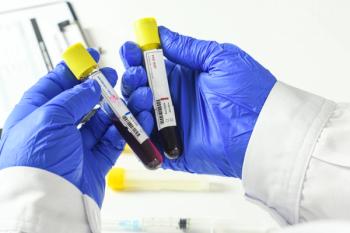
Pharmacists should be up-to-date on current outbreak status, US risk level, and how to recognize warning signs and counsel concerned patients as confirmed Ebola cases caused by Bundibugyo ebolavirus continue to rise across the Democratic Republic of the Congo (DRC) and Uganda.

The new indication is for those aged 12 years and older with unresectable or metastatic SS who received prior chemotherapy and are positive for certain genetic subtypes.

On GLP-1s like semaglutide or tirzepatide, weight loss can mean muscle loss; encourage patients to use protein and resistance training to stay strong.

Understanding this rapidly evolving therapeutic landscape will be essential as obesity pharmacotherapy continues to transform diabetes and cardiometabolic care.

Incorporate important health screenings and lifestyle prevention tips in MTM consults.

From AI-driven dispensing to grassroots advocacy wins, here are the key insights Pharmacy Times gathered at McKesson ideaShare 2026 in Denver.
Advertisement

Specialty dispensing and infusion services offer real opportunity—but the path requires careful planning, sequencing, and the right resources.
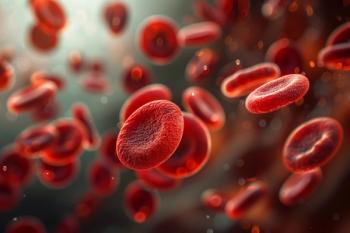
Single-cell findings presented at EHA 2026 identify B cells as potential drivers of immune dysregulation in acquired hemophilia A.

Ammoxetine is a novel SNRI derived from duloxetine, exhibiting a 3- to 10-fold greater potency.
Leonard Egede explains why PHQ-9 screening belongs in every cardio-kidney-metabolic (CKM) syndrome risk assessment—and how community pharmacists can reach patients the formal system misses.

The multiple myeloma (MM) approval was based on phase 3 IRAKLIA data demonstrating noninferior efficacy and reduced infusion-related reactions compared with intravenous administration.

Pharmacists cut through probiotic hype by matching strains and doses to evidence, checking shelf-life potency, and navigating confusing regulations.

This abstract was presented at the Oncology Pharmacists Connect (OPC) meeting in Austin, Texas, from June 18 to 19, 2026.

Human connection is often the first casualty of rising prescription counts and constant interruptions.

This abstract was presented at the Oncology Pharmacists Connect (OPC) meeting in Austin, Texas, from June 18 to 19, 2026.

This abstract was presented at the Oncology Pharmacists Connect (OPC) meeting in Austin, Texas, from June 18 to 19, 2026.

This abstract was presented at the Oncology Pharmacists Connect (OPC) meeting in Austin, Texas, from June 18 to 19, 2026.

This abstract was presented at the Oncology Pharmacists Connect (OPC) meeting in Austin, Texas, from June 18 to 19, 2026.

Three finalist pharmacies shared the mindsets, tools, and community-rooted strategies driving their operational success and patient-centered care.
Advertisement
Advertisement
Trending on Pharmacy Times
1
Medicare Is Finally Covering GLP-1s for Weight Loss: What the Bridge Program Means for Your Practice
2
Beyond Injections: The Rise of Oral GLP-1 Therapy
3
FAQs Amid the Ongoing US Measles Outbreaks
4
Olezarsen Receives FDA Approval to Reduce Triglycerides, Risk of Acute Pancreatitis in Severe Hypertriglyceridemia
5