

Conference Coverage
about 10 hours ago
Could Divarasib Challenge Existing KRAS G12C Inhibitors in Lung Cancer?Latest News

Oct 20, 2026 | News
Could Divarasib Challenge Existing KRAS G12C Inhibitors in Lung Cancer?

Fixed-Dose 4F-PCC for Reversal of Anticoagulation: Safety, Efficiency, and Cost Savings
Oct 20, 2026

Tucatinib Moves Into Breast Cancer Maintenance. What Changes for Pharmacists?
Oct 20, 2026

Feeling Like a Fraud in a Field of Experts: Impostor Syndrome in Oncology Pharmacy
Oct 20, 2026

Fall 2026 Quiz: Test Your Pharmacy Knowledge!
Oct 20, 2026






Advertisement
Shorts

0:43
Why Targeting a Constrained Epitope May Make COVID-19 Monoclonal Antibodies More Durable
5 days ago
by
Michael Mina, MD, PhD(+1 more)

0:43
Butter, Beef Tallow, or Plant-Based Oil: Which Raises LDL Most?
8 days ago
by
Carol F. Kirkpatrick, PhD, MPH, RDN, FNLA(+1 more)

1:03
Pharmacists Help Close Gaps in Lipid Care and Lp(a) Testing
9 days ago
by
Dinesh Kalra, MD, MBA, FNLA, FACC, FAHA(+1 more)
0:49
Lp(a) Testing Now Recommended Once for All Adults
13 days ago
by
Dinesh Kalra, MD, MBA, FNLA, FACC, FAHA(+1 more)
0:48
Inside the LIBERTY Study: Testing mRNA Vaccination and Monoclonal Antibodies Side by Side
14 days ago
by
Michael Mina, MD, PhD(+1 more)

0:48
Meeting Patients Where They Are: Pharmacists and HIV Prevention
19 days ago
by
Kevin Astle, PharmD, BCPS, BCACP, AAHIVP, CDCES(+1 more)

0:42
Why Pharmacists Should Pair Pneumococcal Vaccination With Tobacco Screening
20 days ago
by
Robin Corelli, PharmD(+1 more)

1:12
Highlighting the Work of Ambulatory Care Pharmacists
a month ago
by
Kelsey Norman, PharmD, BCCP, BCACP(+2 more)
1:45
New England Ambulatory Care Pharmacists Have a Community With NEIAP
a month ago
by
Katelyn O'Brien, PharmD, BCPS, CDCES, BC-ADM(+3 more)
2:14
The Importance of NEIAP to Ambulatory Pharmacy
a month ago
by
Jennifer Goldman, PharmD, RPh, CDCES, BC-ADM, FCCP(+2 more)














Advertisement
All News
Advertisement

The PD-1 inhibitor is the first immunotherapy approved for stage II and III MSI-H/dMMR locally advanced rectal cancer and may allow eligible patients to avoid chemotherapy, radiation, and surgery.

The once-nightly drop, previously approved to reverse pupil dilation, met its primary end point in 2 phase 3 trials, with conjunctival hyperemia most common.

Public data may help identify drugs associated with shortages, but hospital inventory and purchasing data could make early-warning tools more useful.

Danielle Roman, PharmD, BCOP, FHOPA, explains how ASCO’s updated breast cancer surveillance guideline links follow-up intensity to recurrence risk and creates opportunities for pharmacist involvement.

Pharmacy students can create greater career optionality by viewing the PharmD as a professional platform rather than a predetermined job title.

FDA-approved capivasertib triplet improves rPFS in PTEN-deficient mCSPC; learn dosing, key drug interactions, and managing diarrhea, hyperglycemia, and rash.
Isatuximab on-body injector enables quick, hyaluronidase-free subcutaneous dosing, reducing reactions and easing multiple myeloma clinic workflows.
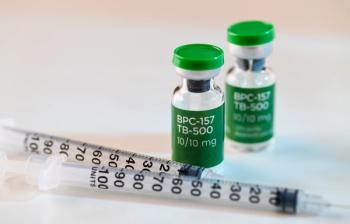
A summer PCAC vote pushes 6 peptide families toward the 503A bulks list—but the FDA's decision is still pending.

After initial breast cancer treatment, pharmacists can help patients navigate ongoing endocrine therapy, manage persistent adverse effects, and address medication concerns that affect long-term care.
Parminder K. Judge, PhD, explains why eGFR and electrolytes should be monitored when diuretics are added to reach intensive BP targets in patients with CKD
Advertisement

The project maps how flu and HIV proteins enter cells, with the aim of developing longer-lasting vaccines.

Five breast cancer treatment advances in 2026 expand therapeutic options while raising questions.
VAX-31 met all primary end points against PCV20 and PCV21 in the pivotal phase 3 OPUS-1 trial.

Pharmacy teams can prevent early discontinuation by setting clear expectations for when—and how—a medication's benefit will become apparent.

The once-daily device, bioequivalent to the existing prefilled syringe, gives adults with AChR antibody-positive generalized MG a second self-injection option.

A year after FDA approval in heart failure (HF) with LVEF of 40% or higher, new ACC guidance and trial subanalyses are shaping how pharmacists use finerenone.

Neither the lipoprotein(a) [Lp(a)]–lowering antisense oligonucleotide nor the IL-6 inhibitor cut CV events in phase 3, but patients with high Lp(a) may still bring questions to pharmacists.

Pharmacists make a difference in patients’ lives through MTM services.
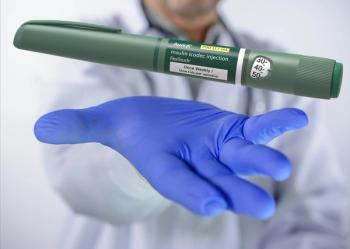
In adults with T2D, insulin icodec offers once-weekly therapy, reducing injection burden while providing effective glycemic control and simplified dosing.

Peptide cancer vaccines target neoantigens to boost T cells, with promising melanoma and pancreatic trials hinting at a new era in immunotherapy.

AI tools in pharmacy education risk eroding critical thinking, lab competency, and patient safety if used as substitutes for foundational learning.

The Main Street Pharmacy Access Act would let Medicare pay pharmacists for care they can already legally provide, if pharmacies have the time.

Ali A. Habib, MD, discusses how NIMBLE’s hospitalization findings complement symptom outcomes for investigational cemdisiran and highlights pharmacists’ role in vaccination tracking and infection-risk counseling.
Advertisement
Advertisement
Trending on Pharmacy Times
1
Peptide Compounding Is Evolving: What Pharmacists Need to Know Now
2
VAX-31 Meets All Primary End Points vs PCV20 and PCV21 in Pivotal Phase 3 OPUS-1 Trial
3
Dostarlimab Receives FDA Accelerated Approval for MSI-H/dMMR Locally Advanced Rectal Cancer
4
FDA Approves Phentolamine Eye Drop for Presbyopia in Adults
5