
Opinion|Videos|October 25, 2024
Vaccine Hesitancy and Patient Counseling Techniques
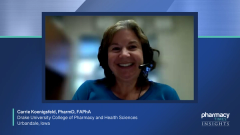
Author(s)Carrie Koenigsfeld, PharmD, FAPhA
Key Takeaways
- Vaccine hesitancy in older adults is driven by concerns about safety, efficacy, necessity, awareness, and cost of RSV vaccines.
- Pharmacists should provide clear, evidence-based information and personalized counseling to address vaccine hesitancy effectively.
Carrie Koenigsfeld, PharmD, FAPhA, discusses her experience with concerns and perceptions contributing to RSV vaccine hesitancy among older adults, such as safety, efficacy, necessity, awareness, and cost, and she explores how pharmacists can effectively counsel patients and caregivers about RSV vaccines while tailoring communication strategies to educate older adults with low health literacy.
Advertisement
Episodes in this series
Video content above is prompted by the following:
- In your experience, what concerns or perceptions have you identified (ie, safety, efficacy, necessity, awareness, cost) as contributing to RSV vaccine hesitancy among older adults?
- How can pharmacists counsel patients and caregivers about RSV vaccines to address these concerns effectively?
- How can pharmacists tailor their communication strategies to effectively reach and educate older adults with low health literacy?
Advertisement
Related to this article
BRUIN CLL-313 showed significantly longer progression-free survival vs bendamustine plus rituximab, bringing a noncovalent BTK inhibitor to first-line care.

A behavioral walking program matched supervised aerobic training for improving asthma control in a randomized trial of physically inactive adults.

Phase 2b data from EASD 2026 show the amylin-incretin combination also cut HbA1c by up to 2.9% in adults with obesity or overweight and type 2 diabetes.

American Pharmacists Month kicked off on October 1, honoring more than 700,000 pharmacy professionals and 250 years of caring for America's communities.

fMRI data show cagrilintide-semaglutide altered brain responses to high-calorie food cues; REIMAGINE analyses point to ectopic fat and bone effects.

Decades after cisplatin's approval, platinum-based chemotherapy continues to anchor treatment regimens across tumor types, new research finds.

A pharmacist-led collaborative drug therapy management program at NYC Health + Hospitals/Bellevue reported high patient satisfaction, and every surveyed patient said they felt respected and supported by their pharmacist.
A Novo Nordisk–funded claims analysis of adults with type 2 diabetes found an adjusted HR of 1.06 for MACE with switching, although the findings cannot show causation.
Advertisement
Advertisement
Trending on Pharmacy Times
1
Why Lp(a) Testing Lagged Behind LDL Cholesterol Screening
2
Statin Myths: Why Patients Avoid Cholesterol-Lowering Therapy
3
Pharmacist, Advocate, Ally: Delivering Comprehensive Gender-Affirming Care
4
Semaglutide 2 mg Tied to Lower MACE Risk Than Tirzepatide Switch
5