
Opinion|Videos|October 11, 2024
Older Adults, High-Risk Populations, and Severe Illness
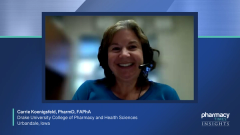
Author(s)Carrie Koenigsfeld, PharmD, FAPhA
Key Takeaways
- Older adults, especially those with chronic heart or lung diseases, are at high risk for severe RSV illness.
- Severe RSV can result in hospitalization, long-term respiratory complications, and increased mortality in older adults.
Carrie Koenigsfeld, PharmD, FAPhA, discusses the CDC’s recommendation for an RSV vaccine for all adults aged 75 years and older, as well as those aged 60 to 74 years at increased risk, and outlines the conditions that elevate the risk for severe illness, including the implications of severe illness, such as hospitalization, long-term effects, complications, comorbidities, and mortality, while also comparing how RSV infection affects older vs younger adults.
Advertisement
Episodes in this series
Video content above is prompted by the following:
- The CDC recommends an RSV vaccine for all adults aged 75 years and older and for adults aged 60 to 74 years who are at increased risk for severe RSV. What conditions put an individual at high risk for developing severe illness?
- Describe the implications of severe illness (ie, hospitalization, long-term effects, complications, comorbidities, mortality).
- How does RSV infection affect older vs younger adults?
Advertisement
Related to this article

Findings presented at the European Respiratory Society Congress 2026 suggest semaglutide may offer respiratory benefits beyond its approved diabetes and obesity indications.

Ataxia-telangiectasia (A-T) is a rare neurodegenerative disorder that primarily affects the nervous system, causing progressive loss of muscle control and coordination.
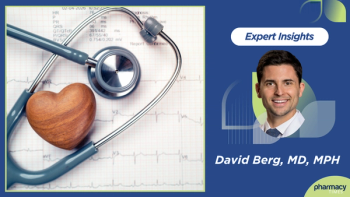
Study investigator David Berg explains why volume overload shouldn't decide which hospitalized patients get an SGLT2 inhibitor.

Most patients screened by a hospital pharmacist-led transitions-of-care service had unmet pneumococcal and other vaccine needs, and most accepted vaccination when offered.

The data helps pharmaicts predict who will react strongly to mRNA vaccines—giving them a science-backed talking point during respiratory season.

CDC-recommended adult vaccination programs for pneumococcal disease, RSV, influenza, and COVID-19 prevent over 182,000 deaths and generate up to $12 in societal value for every $1 spent.

Pharmacists describe their experiences using DEA certificates for controlled substance prescribing in different practice settings, as well as barriers and opportunities for future expansion.

This article discusses a recent publication examining pharmacy access across Minnesota and explores the complex factors contributing to threatened community health access across the US.
Advertisement
Advertisement
Trending on Pharmacy Times
1
New Bladder Cancer Regimens Reshape Treatment Across Disease Stages
2
Semaglutide Linked to Up to 40% Fewer Asthma Attacks, Real-World Data Show
3
FDA Approves Levacetylleucine to Treat Ataxia in Adult, Pediatric Patients With A-T
4
Baseline Interferon Activity in Monocytes Predicts mRNA Vaccine Adverse Effects, Study Finds
5