There were 1563 individuals included in the study with 23.2% on antidepressant medication and receiving psychotherapy, 14.8% receiving psychotherapy alone, 29.2% receiving antidepressants alone, and 33% with no mental health treatment, according to the study authors. The mean age was 50.1 years, with 68% women and 80.9% White.2
Approximately 92.2% had an anxiety diagnosis and 55.5% had depression. The most prevalent comorbidities were disability, substance use, pulmonary disease, and diabetes without complications, the study authors said. The most commonly prescribed antidepressants included tricyclic antidepressants, antipsychotic medications, benzodiazepine, mood stabilizers, buspirone, and hydroxyzine. Cardiovascular medications included β‐blockers, calcium channel blockers, and angiotensin-converting enzymes inhibitors.2
Investigators found that pharmacotherapy, psychotherapy, and the combination of the 2 were related to reductions in hazard ratio for all-cause mortality, cardiovascular mortality, emergency department visits, and hospital readmissions compared with those who were untreated, the results showed. Psychotherapy combined with medication had a hazard ratio ranging from 0.33 to 0.35 for all-cause mortality. For psychotherapy alone and pharmacotherapy alone, the reductions ranged from 0.52 to 6.1 and 0.70 to 0.72, respectively.2
Additionally, reductions in mortality for CAD were seen but were not statistically significant, according to the investigators. Combined treatment with psychotherapy had the greatest reduction for emergency department visits and hospital readmissions, ranging from 0.26 to 0.33 and 0.25 to 0.23, respectively.2
Key Takeaways
- Treatment with therapy, medication, or both led to a 75% reduction in hospital readmissions or emergency room visits for heart disease patients with anxiety or depression.
- Treatment was also linked to reduced overall mortality, with combined therapy showing the greatest benefit.
- The study suggests a link between anxiety/depression and heart disease, possibly due to nervous system activity.
For emergency department visits, psychotherapy alone and pharmacotherapy alone resulted in reductions of 0.47 to 0.52 and 0.51 to 0.059, respectively. For hospital readmissions, the reduction rates were 0.51 to 0.54 and 0.45 to 0.53, respectively.2
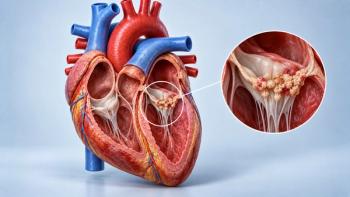
“Heart disease and anxiety/depression interact such that each promotes the other,” Binkley said in the press release. “There appear to be psychologic mechanisms that link heart disease with anxiety and depression that are currently under investigation. Both heart disease and anxiety/depression are associated with activation of the sympathetic nervous system. This is part of the so-called involuntary nervous system that increases heart rate, blood pressure and can also contribute to anxiety and depression.”1
References
Treating anxiety, depression in people with heart disease reduced ER visits, hospitalizations. News release. American Heart Association. March 20, 2024. Accessed March 26, 2024. https://newsroom.heart.org/news/treating-anxiety-depression-in-people-with-heart-disease-reduced-er-visits-hospitalizations?preview=5c72&preview_mode=True
Carmin CN, Ownby RL, Fontanella C, Steelesmith D, Binkley PF. Impact of Mental Health Treatment on Outcomes in Patients With Heart Failure and Ischemic Heart Disease. J Am Heart Assoc. 2024. doi:10.1161/JAHA.123.031117