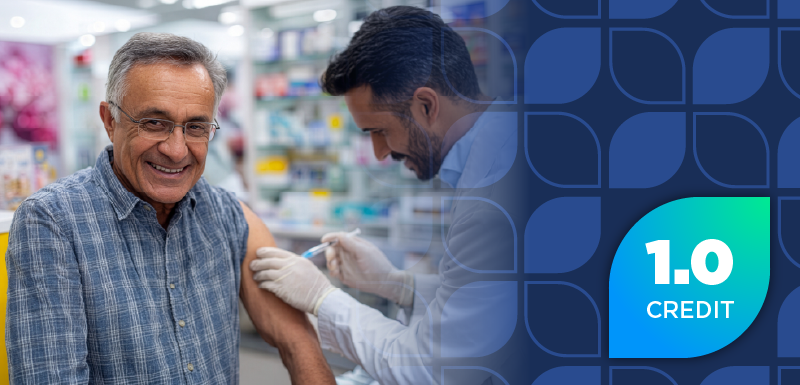
Recombinant zoster vaccination (RZV) against herpes zoster (shingles) can reduce the risk of heart disease, dementia, and death in patients 50 years and older, according to study data presented at IDWeek 2025 in Atlanta, Georgia.1
Investigators led by Ali Dehghani, DO, doctor of internal medicine at Case Western Reserve University School of Medicine, analyzed the health records of more than 174,000 adults from dozens of US health systems. The researchers followed vaccinated participants for 3 months to 7 years post vaccination, comparing outcomes from the shingles vaccine with those from the pneumococcal conjugate vaccine (PCV).1
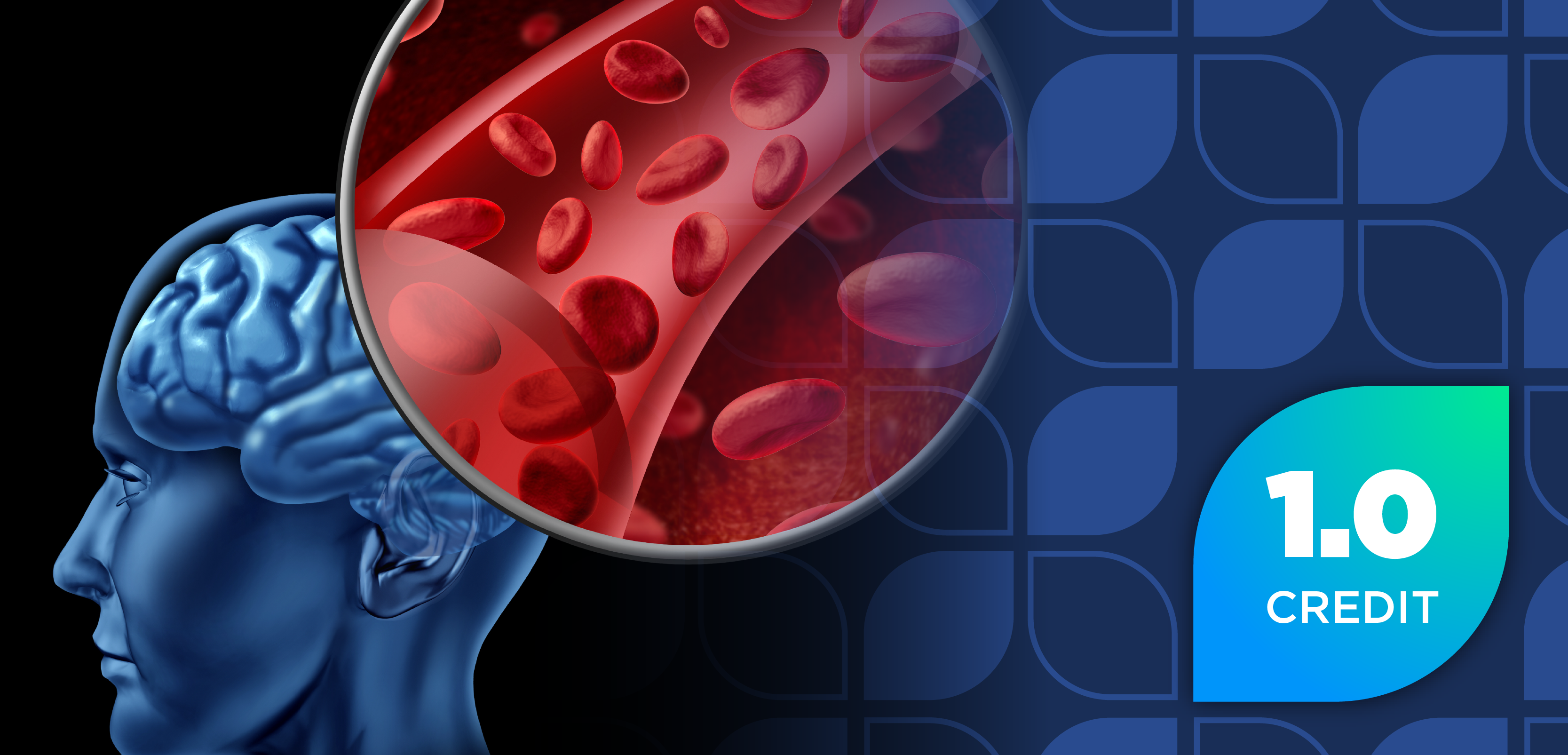
Individuals who received the shingles vaccine had a 25% lower risk of heart attack or stroke, a 27% lower risk of blood clots, a 50% lower risk of vascular dementia, and a 21% lower risk of death. Furthermore, among adults who received RZV, outcomes were directionally favorable vs PCV across prespecified follow-up windows, with HRs generally below 1.0 for the primary outcomes.1,2
“[These data reinforce] the value of shingles vaccination as part of whole-person prevention,” Dehghani said in an interview with Pharmacy Times. “It is still first and foremost a shingles-prevention vaccine, but these data support discussing vaccination in the broader context of heart and brain health while being transparent that these are observational associations.”2
How Shingles and Cardiovascular Complications Are Linked
The data were presented as evidence grows that links the herpes zoster virus to vascular disease. The American Heart Association cites 2022 data from more than 200,000 adults, which found that individuals who had a history of shingles had a nearly 20% increased risk of experiencing a future cardiovascular event. This includes up to a 38% higher risk of having a stroke and up to a 25% risk of developing coronary heart disease, encompassing myocardial infarction or needing a heart procedure.1,3
What Pharmacists Should Know
- Shingles vaccination lowers the risks of heart attack, stroke, vascular dementia, and death in adults aged 50 and older.
- Protection applies even to those who have had shingles before.
- Pharmacists can guide patients on the vaccine’s benefits and adverse effects, as well as on completing the vaccine series.
Although Dehghani cautions against framing the data as an indicator that shingles can cause heart attacks or dementia, the results support a more nuanced understanding of the virus and its long-term complications. Dehghani notes that shingles may be a systemic signal of thrombo-ischemic outcomes and vascular cognitive diagnoses; counseling on shingles prevention should center not only on avoiding rash and pain but also on reducing downstream vascular vulnerability.2
Use of PCV as a Comparator
An aspect of the study that Dehghani explained in further detail was the use of PCV as an active comparator. Dehghani wanted to ensure that the comparison used in the study was more thorough than simply comparing vaccinated vs unvaccinated individuals, as such a comparison could “inflate apparent benefits due to healthy-vaccinee bias and differences in health care engagement.” Including PCV as a comparator ensures that both groups “have demonstrated preventive-care behavior and vaccine access,” according to Dehghani.1,2
“In plain language, it helps ensure we are not simply measuring ‘people who get vaccines do better,’” Dehghani explained in the interview.2
Key Counseling Points for Pharmacists
A key observation emerged from a sensitivity analysis, which showed similar directions of protection regardless of whether RZV occurred before or after the shingles episode. Dehghani noted that this argues against the point of view that if you can prevent the first rash, you can prevent other complications. Instead, patients who previously had shingles can still receive protection against both a recurrence of shingles and downstream complications.1,2
Dehghani explained that pharmacists are uniquely positioned to translate population-level data into personalized health choices for patients. Pharmacists can practically counsel patients by informing them of RZV’s high efficacy and the extensive postlicensure safety monitoring. By adding a layer of why vaccination matters directly to the patient—discussing, for example, the increased risk of cardiovascular events—pharmacists can responsibly encourage individuals to be vaccinated.1,2
Additionally, pharmacists are in a pivotal position to address the short-term adverse effects of RZV, potentially preventing the seeds of misinformation from blossoming. Practical planning, such as scheduling vaccinations around important events and hydration, should be encouraged. Perhaps most importantly—and an aspect that is often overlooked, according to Dehghani—is that RZV can still be beneficial even if a patient has previously had shingles.2
Instead of further research that can feature stronger causal designs and include analyses of dose completion and high-risk subgroups, Dehghani highlights that pharmacists can help support uptake “right now.” They can identify eligible patients for vaccination, implement strong workflows and reminders to ensure completion of the vaccine series, and continue strong pharmacovigilance and safety reporting.2
REFERENCES
2. Ali Dehghani Interview With Pharmacy Times. January 8, 2026. Accessed January 12, 2026.
3. Shingles and heart health. American Heart Association. Updated October 21, 2025. Accessed January 12, 2026. https://www.heart.org/en/health-topics/shingles