FDA clears tiratricol for MCT8 deficiency, lowering dangerous T3 and outlining dosing, lab testing, and pharmacy access.
Explore how radio frequency identification (RFID) technology enhances medication safety, operational efficiency, and patient care in health care and pharmacy settings.
In health care, new technologies are increasingly being studied and implemented to improve medication safety, regulatory compliance, and operational efficiency. Radio frequency identification (RFID) is one such evolution that enables more efficient data capture in health systems, allowing for patient, asset, and medical personnel tracking. The RFID market is quickly expanding, highlighting the importance of rapid education and integration efforts.1
RFID technology allows for automatic data collection and the traceability of products. Without physical contact, an RFID tag on a product or person is read and data transferred via radio waves, allowing for real-time, efficient data collection. Compared with traditional barcode scanning, RFID readers can read more tags from farther away, without the need to approach the tag reader.1
This technology has made it possible to designate electronic labels to assets, patients, or health care personnel, which can then be managed and tracked in a centralized database. Either alone or in combination with other technologies, RFID has the potential to significantly transform public health management and has already been applied to numerous sectors of health care over the past 5 years.1,2
One scoping review of research published since 2020 found that RFID technology is increasingly being employed across numerous applications. RFID is being used to reduce medical errors in the operating room through detecting and tracking surgical materials to monitor their usage rate and prevent breakage. The technology is also used in infection prevention and control through pH meters that can detect, through a noncontact electronic reading based on RFID, when wounds are healing or worsening.1
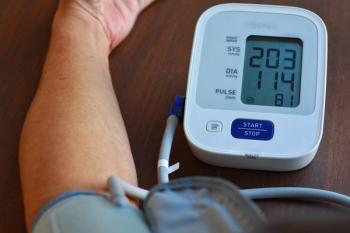
Patient identification is a key area where RFID technology can improve efficiency and reduce misidentification by preventing incorrect drug administration and dosage errors. RFID can also assist in remote and real-time monitoring of vital signs, including blood pressure, heart rate, and body temperature. Overall, RFID tags are optimizing outcomes for both patients and medical and nursing staff.1,2
In pharmacies, RFID technology can expand the capabilities of health care providers and ensure optimal medication management while freeing up more time for pharmacists to directly care for patients. Countless aspects of RFID can be easily applied in pharmacies and in specialty centers across health care systems, especially regarding inventory control, speeding up receiving and reconciliation, and ensuring prescription accuracy.3
RFID enables automatic analysis of pharmacy inventory without manual counting, which can be labor-intensive and time-consuming. Each medication product can be affixed with an RFID tag so pharmacists can precisely track inventory, with RFID technology able to automatically initiate reorder processes and minimize the risk of a medication shortage. Further, RFID tags can notify pharmacists when a medication is approaching expiration or has been recalled, allowing for prompt stock rotation and reducing financial losses.3
Incorporating RFID can also revolutionize patient safety, which is always paramount in pharmacy operations. RFID ensures medications are authentic in real-time, mitigating the threat of counterfeit products entering the pharmacy workflow. RFID allows for pharmacy workflows to be optimized at every level through the automation of countless manual tasks, including the automatic updating of a patient’s electronic health record when a prescription is filled and streamlining the dispensing process.3
RFID can optimize pharmacy operations at every level, from ensuring proper storage parameters for biologics and vaccines to creating a digital history of drug access to deter diversion and support compliance. Experts across the health care spectrum, including Arpit Mehta, PharmD, MPH, MHA, CPEL, director of pharmacy at Allegheny Health Network, have spoken to the utility of RFID technology and its potential to revolutionize pharmacy operations.3,4
“[RFID] technology can help us focus on what's important without truly worrying about…the labor or the staff that's needed to do that work safely,” he said in an interview with Pharmacy Times. “Technology helps to supplement how we do what we do, safely and effectively, for our patients.”4
Stay informed on drug updates, treatment guidelines, and pharmacy practice trends—subscribe to Pharmacy Times for weekly clinical insights.
Subscribe