REDEFINE 1 analyses presented at The Menopause Society 2026 meeting found mean weight loss of 23.1% to 26.7% across pre-, peri-, and postmenopausal women.
Pharmacists play a vital role in identifying and managing primary immunodeficiency diseases, enhancing patient outcomes through immunoglobulin therapy and education.
Primary immunodeficiency diseases (PIDDs) are a heterogeneous group of genetic disorders in which a component of the immune system is missing or not functioning properly, making a person more susceptible to infections, autoimmune disorders, and chronic inflammation.1 Although some PIDDs manifest in childhood, many patients do not receive a diagnosis until adolescence or adulthood, often after many years of suffering through recurrent infections and health care utilization.
Early recognition of PIDDs is critical because delayed diagnosis may lead to organ damage, hospitalizations, and a poor quality of life. Pharmacists, as accessible health care providers in various settings, are in an ideal position to identify patients who may benefit from further immunologic evaluation and intervention.1
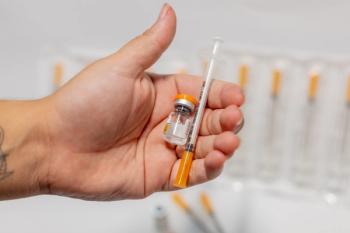
For patients with antibody deficiencies, the most common form of PIDD, immunoglobulin (Ig) replacement therapy is the mainstay of treatment.2 This is done by providing the patient with pooled IgG antibodies from healthy individuals, which are then used to provide passive immunity against infections for patients unable to produce enough functional antibodies on their own. This therapy is effective in reducing the frequency and severity of infections, hospitalizations, and improving the quality of life.2
Ig replacement therapy is available in the form of intravenous immunoglobulin (IVIG) and subcutaneous immunoglobulin (SCIG). IVIG is given at intervals of 3 to 4 weeks and is usually done in infusion clinics or at home whereas SCIG is administered under the skin at shorter intervals, which is usually once a week. SCIG can be self-administered with proper assistance. Both IVIG and SCIG are effective, but the administration method depends on a patient's requirement, lifestyle, and tolerability.3
Ig therapy does not correct the underlying genetic defect, but it provides the antibodies necessary to improve immune protection. Because passively administered antibodies are metabolized over weeks, regular dosing is essential to maintain therapeutic IgG trough levels and prevent infections.2 Individualizing dose and administration frequency based on clinical response and IgG levels is a key element of effective long-term management.
Despite the obvious advantages of Ig replacement therapy, patients with PIDD frequently face substantial hurdles to access this therapy. Immunoglobulins are expensive to produce, requiring large plasma donations and complex production processes, which contribute to the high cost of acquiring these products. In the US, patients may face insurance-related barriers to access, including delays in initiating therapy or interrupting therapy due to prior authorization requirements, formulary restrictions, and out-of-pocket costs.4
Additionally, other nonhospital care facilities, such as skilled nursing facilities, may not readily accept patients requiring long-term IVIG because of reimbursement schemes that do not adequately cover infusion therapy, leading to fragmentation and increased acute health care utilization.5 These are some of the systemic barriers that necessitate the need for advocacy and collaborative practice to ensure that patients receive continuous and evidence-based therapy.
Pharmacists often encounter patients with patterns that may suggest PIDD, such as frequent antibiotic prescriptions, repeated respiratory infections, poor vaccine response, or prolonged symptoms despite appropriate therapy. With their medication expertise and patient access, pharmacists can flag these patterns, recommend appropriate screening, and facilitate timely referral to immunologists or primary care providers.1
Utilizing clinical tools and screening checklists for warning signs of immunodeficiency enables pharmacists to initiate conversations with patients and providers about immune evaluation. Early identification is key to earlier Ig therapy initiation, potentially reducing long-term complications and improving outcomes.
Once PIDD is diagnosed and the decision to initiate Ig therapy is made, pharmacists play a crucial role in the management of the disease. This involves educating patients and caregivers on the differences between IVIG and SCIG, including the dosing schedule, administration site, and adverse effect (AE) profile.3
Pharmacists also monitor adherence, assess for potential drug interactions, collaborate with specialty infusion teams, and help patients manage AEs. They can also provide training and assistance managing AEs in settings where self-administration of SCIG is appropriate, and assist in troubleshooting issues that might occur.3
Monitoring of IgG trough levels, along with clinical response, is also done on a routine basis, sometimes with the help of immunologists. This helps optimize the dose by creating individualized patient care plans that meet the patient’s goals and lifestyle. The aforementioned strategies implemented by pharmacists help ensure better clinical outcomes and quality of life for patients with PIDD.
PIDDs, while presenting a clinical challenge, offer a great opportunity to improve patient outcomes through early detection and appropriate Ig replacement therapy. Pharmacists, with their clinical expertise and patient engagement, can make a great difference in the quality of life of those suffering from PIDD. They are instrumental in early detection and appropriate Ig replacement therapy by playing a crucial role in the multidisciplinary care of PIDD patients, which will improve patient outcomes.