
News|Articles|April 21, 2026
Pancreatic Cancer mRNA Vaccine Shows Promising Results in Early Clinical Trial
Fact checked by: Danielle Valletti, Assistant Editor, Nicole Canfora Lupo
Listen
0:00 / 0:00
Key Takeaways
- Pancreatic cancer remains highly lethal (~13% 5-year survival), with ~20% operable at diagnosis and high post-resection recurrence despite adjuvant chemotherapy, sustaining major unmet need.
- A BioNTech/Genentech individualized mRNA platform encodes resected-tumor neoantigens to prime antigen-specific cytotoxic and memory T cells to eliminate microscopic residual disease rather than debulk tumors.
Research presented at the American Association for Cancer Research Annual Meeting shows personalized mRNA vaccine immunotherapy targets pancreatic cancer tumor neoantigens, sparking durable T-cell responses and boosting survival in a phase 1 clinical trial.
Advertisement
Emerging Vaccination for Pancreatic Cancer
Researchers tested a personalized messenger RNA (mRNA) vaccine for pancreatic cancer that generated strong results associated with prolonged survival in a clinical phase 1 trial. The vaccination activated a long-lasting immune response, leading to 6-year survival among patients.1,2 This data implies that individualized neoantigen-targeting immunotherapy may overcome historical resistance to immune-based treatments in this disease. While this advancement is still in early development, these results may indicate a major step forward in the treatment paradigm for pancreatic cancer.
Pancreatic Cancer: High Mortality and Limited Treatment Options
Pancreatic cancer is acknowledged as one of the most fatal malignancies, with a 5-year survival rate of approximately 13%.3 Due to the disease’s nonspecific symptoms and the lack of effective routine screening, pancreatic cancer is often diagnosed at an advanced stage.4 Surgical resection poses as the primary potential cure for pancreatic cancer; however, most patients are not candidates for surgery due to delayed diagnoses, with only 1 in 5 patients (20%) presenting with operable disease. Even with surgery followed by standard chemotherapy, recurrence rates remain high, highlighting a significant unmet clinical need.4
Historically, pancreatic tumors have displayed limited responsiveness to immunotherapy, with immune checkpoint inhibitors benefiting only a small subset of cancers overall. This therapeutic resistance demonstrates the challenge of generating effective immune-mediated responses in pancreatic cancer and emphasizes the need for novel treatment strategies.5
Mechanism of Action and Clinical Role of Personalized mRNA Vaccines
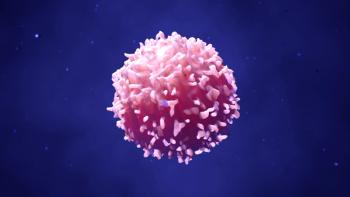
The personalized mRNA vaccine, developed by BioNTech and Genentech, is designed as an immunotherapy that targets tumor-specific neoantigens.1 Tumor samples are sequenced to identify unique mutations following surgical resection. These samples are then encoded into a patient-specific mRNA vaccine. Upon administration, the vaccine stimulates the immune system to generate antigen-specific T lymphocytes (T cells) capable of recognizing and eliminating residual cancer cells.1 This includes cytotoxic T cells that directly target tumor cells, as well as memory T-cells that help sustain the immune response over time.2 The therapeutic goal in this process is to eliminate any microscopic residual disease to prevent the chance of recurrence rather than to shrink the established tumors.
Patients enrolled in the phase 1 trial received the vaccine in combination with standard adjuvant chemotherapy that follows surgical resection, which is consistent with current treatment paradigms for early-stage pancreatic cancer.4
Phase 1 Trial Findings and Long-Term Outcomes
In the clinical phase 1 trial, 16 patients with resected pancreatic cancer were administered the vaccine.1 The primary objective was to assess safety and immune response. Among the 16 participants, 8 showed a significant T-cell immune response following vaccination. The long-term follow-up data presented at the American Association for Cancer Research Annual Meeting showed that 6 out of the 8 patients who responded to the vaccine remained alive at 6 years of follow-up. Most responders remained free of recurrence, suggesting an association with the vaccine-induced immune activation and improved clinical outcomes.1
Correlative analyses indicated that the strong responses were in association with the coordination of cytotoxic “killer” T-cells and the immune memory–supporting T cells. These findings support the hypothesis that both cytotoxic and helper T cells are necessary for sustained antitumor immunity.2 Although these results are promising, experts caution that the small sample size and early-phase study design limit definitive conclusions regarding clinical efficacy.2
Clinical Implications
Based on these positive results so far, a larger phase 2 trial is currently underway to support these findings and assess the potential clinical benefit in a broader population.2 Ongoing research aims to further understand the immunologic mechanisms underlying response and to identify predictors of benefit.
These findings contribute to a growing body of evidence that supports the use of mRNA technology in oncology, pushing beyond its established role in infectious diseases. Personalized cancer vaccinations may present as a novel strategy for tumors that have historically been resistant to immunotherapy.
REFERENCES
Rojas LA, Sethna Z, Soares KC, et al. Personalized RNA neoantigen vaccines stimulate T cells in pancreatic cancer. Nature. 2023;618(7963):144-150. doi:10.1038/s41586-023-06063-y
Balachandran VP, et al. Presented at: American Association for Cancer Research Annual Meeting; April 17-22, 2026; San Diego, CA. Accessed April 21, 2026.
https://www.aacr.org/blog/2026/04/20/live-updates-from-the-aacr-annual-meeting-2026-monday-april-20/#:~:text=Vinod%20Balachandran%2C%20MD%2C%20of%20Memorial,vaccine%20to%20treat%20pancreatic%20cancer. American Cancer Society. Cancer Facts & Figures 2025. Cancer.org. Accessed April 21, 2026.
https://www.cancer.org/research/cancer-facts-statistics/all-cancer-facts-figures/2025-cancer-facts-figures.html National Cancer Institute. Pancreatic Cancer Treatment (PDQ)–Health Professional Version. Cancer.gov. Accessed April 21, 2026.
https://www.cancer.gov/types/pancreatic/hp/pancreatic-treatment-pdq Sharma P, Allison JP. The future of immune checkpoint therapy. Science. 2015;348(6230):56-61. doi:10.1126/science.aaa8172
Advertisement
Related Content
Advertisement























































































Advertisement
Advertisement
Trending on Pharmacy Times
1
Pharmacists as the Glue in Cardio-Kidney-Metabolic Care
2
Extended-Interval Tarlatamab Dosing Offers Pharmacists More Flexible Administration Windows in SCLC
3
Pharmacists Can Close the LDL Control Gap in Lipid Care
4
Cancer Among 9/11 Survivors Is Accelerating 25 Years Later
5