The update shortens required observation to 6 to 8 hours from 22 to 24, easing tarlatamab administration in community settings for ES-SCLC.
Oral bacteria such as Fusobacterium nucleatum may fuel breast cancer. Here's what pharmacists should know about periodontal health and genetic risk.
Fusobacterium nucleatum (F nucleatum), a Gram-negative anaerobe commonly found in the oral cavity, has long been associated with periodontal disease. However, it is implicated in malignancies beyond the mouth. New research data suggest that this oral pathogen may localize to breast tissue, become internalized by breast cancer cells, and promote mammary tumorigenesis, particularly in genetically susceptible individuals.1,2 These findings expand the understanding of how the microbiome may influence cancer biology.
Findings from epidemiologic studies have previously shown associations between chronic periodontal disease and an elevated risk of breast cancer, though mechanistic explanations remained unclear.3 Investigators sought to determine whether oral microbes themselves could contribute directly to breast tumor development.
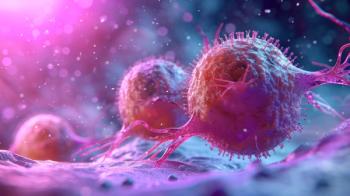
In data from a recent study published in Cellular & Molecular Biology Letters, researchers demonstrated that F nucleatum can be detected in breast tumor tissue and internalized by breast cancer cells. Using preclinical models, the team found that the bacterium promoted mammary tumor growth and enhanced tumor aggressiveness. These findings build biologic plausibility for earlier observational studies linking oral health and breast cancer risk.2
Dipali Sharma, PhD, a professor of oncology and John Fetting Fund for Breast Cancer Prevention investigator, emphasized the broader implications of the work. “The key takeaway is that this oral microbe can reside in breast tissue and that there is a connection between this pathogen and breast cancer,” Sharma said, noting that the team’s study was inspired by multiple smaller studies examining thousands of patients that connected periodontal disease to breast cancer.1
The study further explored how microbial exposure may intersect with inherited cancer risk. In murine models of BRCA1 deficiency, exposure to F nucleatum was associated with more aggressive tumor phenotypes and accelerated tumorigenesis.2 This suggests that the bacterium may function as an environmental cofactor that amplifies genetic susceptibility.
“We wanted to dig deeper and see if we could uncover the underlying connections,” said Sheetal Parida, PhD, first author of the study.1 The investigators observed activation of oncogenic pathways and tumor-promoting signaling following bacterial internalization.2
Sharma underscored the multifactorial nature of carcinogenesis: “Our findings reveal a link between oral microbes and breast cancer risk and progression, particularly in genetically susceptible individuals. Nothing happens in isolation. The results suggest that multiple risk factors come together, with F nucleatum acting as an environmental factor that may cooperate with inherited BRCA1 mutations to promote breast cancer and tumor aggressiveness.”1
The oncogenic potential of F nucleatum is not unprecedented. In colorectal cancer, the bacterium has been shown to enhance tumor cell proliferation, modulate immune responses, and promote metastasis through adhesion molecules and β-catenin signaling pathways.4,5 Similar mechanisms may be operative in breast tissue, though further validation in human cohorts is needed.
Although these findings are preclinical, they reinforce the concept that oral health may have systemic oncologic implications. For oncology pharmacists and other clinicians, the data highlight the importance of comprehensive risk assessment that includes environmental and inflammatory contributors. In high-risk populations, such as individuals with BRCA1 mutations, future studies may explore whether targeted antimicrobial strategies or improved periodontal management could modify risk.
At present, the data should not prompt changes in clinical management. However, they do support continued emphasis on preventive oral care and interdisciplinary collaboration between oncology and dental professionals. As understanding of the microbiome’s role in cancer deepens, pharmacists should remain attentive to emerging evidence linking microbial exposures with tumor biology.