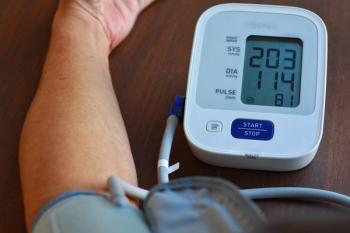
As accessible health care providers, pharmacists can raise awareness about the proper use of OTC blood glucose meters and continuous glucose monitoring devices.
Effective Nutrition Strategies for Diabetes Management Focus on Personalized Dietary Approaches to Enhance Glycemic Control and Overall Health
Diabetes affects more than 38 million Americans, representing approximately 11.6% of the US population in 2024, in addition to nearly 98 million adults with prediabetes.1 This growing prevalence reinforces the critical importance of nutrition as a central component of diabetes management, promoting optimal glycemic control, healthy weight maintenance, and reduced cardiovascular risk.2
Beyond pharmacologic therapy, dietary choices directly influence blood glucose, body weight, lipid profiles, and long-term complication prevention. Health care professionals are uniquely positioned to provide practical, evidence-based nutrition counseling that empowers patients to adopt and sustain healthy lifestyle habits.
The primary goals of nutrition therapy are to maintain stable blood glucose levels, achieve a healthy body weight, and support cardiovascular health. Because carbohydrates exert the greatest effect on postprandial glucose, careful attention to their quality, portion size, and timing is essential.3 Patients should prioritize complex carbohydrates, such as whole grains, legumes, fruits, and nonstarchy vegetables, while minimizing refined sugars and processed foods. Encouraging patients to monitor carbohydrate intake, either through formal counting or mindful awareness, can enhance glycemic control and support autonomy in meal planning.
The Recommended Dietary Allowance for protein is 0.8 g/kg of body weight (approximately 0.36 g/Ib), and protein should make up approximately 10% to 35% of daily calories, ideally from lean sources such as fish, poultry, eggs, low-fat dairy, beans, and soy.4,5 Adequate protein intake promotes satiety, preserves lean muscle mass, and supports metabolic health. For patients with kidney disease, protein intake may need to be adjusted under clinical supervision. Healthy fats, including monounsaturated and polyunsaturated fats from olive oil, nuts, seeds, and fatty fish, contribute to cardiovascular health and insulin sensitivity but should be consumed in moderation due to caloric density. Additionally, maintaining hydration with water and limiting sugar-sweetened beverages and alcohol further supports stable blood glucose level and overall metabolic health.
The most effective dietary strategies are those adapted to each patient’s needs and achievable as long-term habits. The Mediterranean diet, abundant in vegetables, fruits, whole grains, legumes, nuts, and olive oil, has been shown to improve glycemic control, support modest weight loss, and lower cardiovascular risk.6 Similarly, the Dietary Approaches to Stop Hypertension (DASH) diet, which emphasizes fruits, vegetables, low-fat dairy, and whole grains while limiting red meat and sodium, was originally developed to manage blood pressure but also promotes glycemic control and cardiovascular health.7
Low- and moderate-carbohydrate diets can improve postprandial glucose level and hemoglobin A1C while promoting weight management, particularly when focused on fiber-rich, complex carbohydrates rather than eliminating carbohydrates entirely.8 Plant-based diets can improve glycemic control and support overall metabolic health. Successful dietary management relies on selecting an approach that is personalized, sustainable, and supported by guidance from a dietitian or nutritionist when needed.8
Translating nutrition guidance into practical habits is critical. The Diabetes Plate Method provides a simple visual framework: half the plate filled with nonstarchy vegetables, a quarter with lean protein, and a quarter with complex carbohydrates.9 This approach reinforces portion control without requiring detailed carbohydrate counting (Table9).
Additionally, pharmacists can teach label-reading skills, focusing on serving size, total carbohydrates, fiber content, and added sugars. Eating meals at consistent times helps stabilize blood glucose and curbs overeating. Preparing meals ahead, focusing on high-fiber foods, and replacing calorie-dense snacks with fruits or nuts can improve nutrient intake and support long-term dietary adherence.
Patient-centered counseling is most effective in supporting long-term dietary modification. Pharmacists can use motivational interviewing to assess patients’ readiness to change, identify potential barriers, and collaboratively set realistic, achievable goals. Rather than simply instructing patients to avoid sweets, practical strategies—such as limiting sugary beverages to once per week, substituting fruit-based desserts, or gradually reducing portion sizes—can promote adherence without creating undue restriction. Positive reinforcement during refill visits or brief consultations further strengthens motivation and adherence. Encouraging self-monitoring with tools such as food diaries or continuous glucose monitoring allows patients to clearly see how their dietary choices affect blood glucose, which reinforces long-term behavior change.
Weight loss improves insulin sensitivity and reduces the risk of progressing from prediabetes to type 2 diabetes. The American Diabetes Association advises a 5% to 7% weight loss to improve blood glucose control, with further weight reduction offering additional benefits.10 Combining dietary changes with regular physical activity improves blood sugar control, and simple strategies such as walking after meals or taking short activity breaks can help patients stay active.
Effective nutrition counseling considers age, comorbidities, cultural preferences, and socioeconomic factors. Older adults may have a reduced appetite or difficulty chewing, so nutrient-dense, easy-to-prepare meals are essential. Adjusting traditional recipes to reduce refined carbohydrates or using simpler cooking methods can support adherence to a healthy diet. Considering food availability, cost, and health literacy ensures recommendations are practical and achievable.
Nutrition is a cornerstone of diabetes care, influencing glycemic control, weight management, cardiovascular health, and overall quality of life. Evidence-based dietary strategies, including the Mediterranean, DASH, low-carbohydrate, and plant-based diets, support patients in achieving their health goals when individualized and sustainable. Pharmacists are essential in offering practical guidance, addressing barriers, and supporting lifestyle changes. By integrating nutrition advice into routine care, they help patients turn recommendations into actionable habits, improving long-term outcomes and quality of life for people with diabetes.
About the Author
Anjeza Fero, PharmD, RPh, is a pharmacist and professor at the University of Connecticut School of Pharmacy in Storrs.
10 months ago
Caplyta From Johnson & Johnson10 months ago
OTC Case Studies: Supplements for AgingStay informed on drug updates, treatment guidelines, and pharmacy practice trends—subscribe to Pharmacy Times for weekly clinical insights.
Subscribe