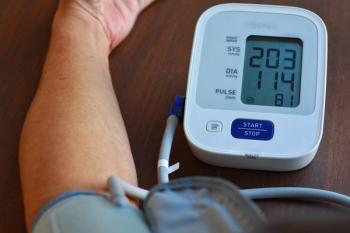
A meta-analysis of 27 trials found 15% lower cardiovascular (CV) event risk per 10-mm Hg SBP reduction, with eGFR declines but no rise in kidney failure.
Enhanced communication between field representatives and case managers improves medication access for patients with rare diseases.
Patients with rare or complex diseases often struggle to access medications due to cost and other barriers. To help address this, drug manufacturers offer patient support programs, copay programs, and additional support. Patient services providers, also known as pharmacy hubs, assist by coordinating these services with manufacturers or third parties. The pharmacy hub then maintains short-term and long-term assistance programs to support patients who experience coverage issues or delays in therapy. Some of the short-term programs include a “bridge” program in which a small supply is provided to the patient for free to fill the gap in coverage and a “quick start” program in which the patient receives a small free initial supply to increase speed to access. An example of the long-term coverage is a patient assistance program (PAP), through which eligible uninsured or underinsured patients may receive up to a year of free medication.1-3
Another key stakeholder in providing these patient services are the drug manufacturer’s field representative. Although there are many names for these field representatives, such as field reimbursement manager and regional patient access manager, they all play a crucial role in medication access. Field representatives act as liaisons among the pharmacy hub case managers, providers, and patients/caregivers. They assist physicians’ offices with reimbursement paperwork, ensure providers have enough time to provide quality care, and identify barriers related to insurance coverage. Together, these key stakeholders collaborate to improve access and affordability.1-4
To improve patient care, it is important to have a strong relationship between field representatives and case managers. This relationship plays a crucial role in connecting patients, health care providers, and pharmacies to address coverage and cost challenges to expedite access. Strong collaboration between them enhances patient care by streamlining reimbursement and pharmacy processes. A variety of communication methods can be utilized based on the preferences of the field and case managers, including email, portals, and phone calls. By customizing communication to the preferences of these individuals, programs can ensure timely and productive conversations and lead to accelerating patient access to therapy. A strong patient services provider recognizes and fosters collaboration between field representatives and case managers, emphasizing real-time communication for quick access to patient updates and other key features.5
This analysis will examine communication between case managers and field representatives, specifically among those utilizing a real-time messaging platform, to evaluate its impact on time to medication access.
This study aims to investigate the relationship between field representatives and patient support program case managers and how this affects patients’ access to medication.
Assess field representatives' perceptions of their relationship with case managers following the implementation of a new portal-facilitated communication technology and its impact on the turnaround time between patient hub referral date and pharmacy referral date.
This is a retrospective analysis (June 1, 2023–May 1, 2025) of a rare disease support program for patients with neurological/motor disorders to identify whether improved communication leads to more efficient patient care. The field representatives' perceptions of their relationship with case managers was assessed using a satisfaction survey given to field representatives after implementation of a new portal-facilitated communication technology. The average pre- and post-implementation turnaround time will be calculated based on patient hub referral date and pharmacy referral dates.
The findings of this retrospective analysis suggest that enhancing communication between field representatives and case managers via a dedicated portal platform can improve coordination and efficiency within patient support programs. Implementation of this technology appeared to strengthen professional relationships, streamline information exchange, and reduce delays between patient hub referral and pharmacy referral dates.
PAP: Patient Assistance Program; QS: Quick Start Program; SPP: Specialty Pharmacy
These improvements highlight the importance of robust communication infrastructure in bridging gaps between the manufacturer, provider, and pharmacy. A strong collaborative relationship between field and case management teams not only expedites patient access to therapy but also enhances the overall experience for both healthcare providers and patients.
Overall, this study reinforces that real-time, technology-driven communication tools can be instrumental in optimizing patient access workflows and supporting high-quality care delivery for individuals with rare and complex diseases.
This study has several limitations. First, as a retrospective observational analysis, it relies on existing program data, which may be incomplete or inconsistently documented. The accuracy of turnaround time measurements depended on consistent recording of referral dates across multiple systems, which could introduce discrepancies.
Additionally, the assessment of relationship strength and communication quality was based on self-reported perceptions from field representatives, which introduces potential response and recall bias. Perceived satisfaction may not always directly reflect objective measures of communication efficiency or patient outcomes.
Next, the analysis was limited to a single manufacturer’s rare disease support program, which may restrict the generalizability of findings to other therapeutic areas, disease states, or hub structures.
Additionally, the study did not account for potential confounding variables, such as differences in patient complexity or provider responsiveness, which may have influenced turnaround times independent of the communication platform. Future studies using prospective data, multi-program analysis, and patient-level outcome metrics would help validate and expand upon these findings.
Stay informed on drug updates, treatment guidelines, and pharmacy practice trends—subscribe to Pharmacy Times for weekly clinical insights.
Subscribe