A randomized clinical trial found that dedicated oncology pharmacist care reduced adverse drug reactions among patients with hematologic malignancies.
In AML, sialylated CD43 blocks immune clearance beyond CD47, revealing new leukemia targets to boost macrophage phagocytosis.
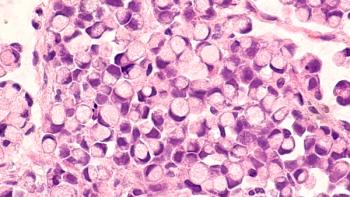
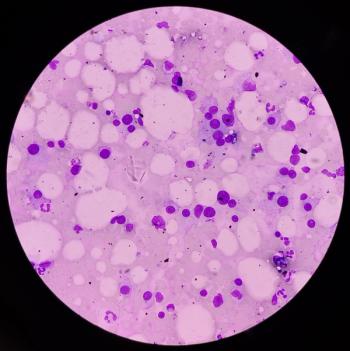
Emerging data published in Science identified sialylated CD43 as a key mechanism by which acute myeloid leukemia (AML) cells evade immune-mediated clearance.¹ CD43 appears to form a glyco-immune barrier that suppresses macrophage phagocytosis and broader antileukemic immune responses.¹ These findings suggest that CD43 may function as a protective surface barrier that limits immune cell recognition and contributes to immune escape in AML.
AML is an aggressive hematologic malignancy driven by uncontrolled proliferation of immature myeloid cells, and patients with relapsed or treatment-resistant disease continue to experience poor outcomes despite advances in therapy.² Immunotherapeutic strategies have largely focused on enhancing macrophage-mediated phagocytosis through inhibition of the CD47 “don’t eat me” signal.² However, clinical outcomes with CD47-targeting therapies have remained modest, suggesting the involvement of additional immune evasion pathways.³ Consistent with this, CD47 signaling may play a more limited role in AML than previously thought.¹ CD43 has been identified as a prominent glyco-immune barrier that contributes to reduced immune recognition in AML.¹
Using genome-wide CRISPR (clustered regularly interspaced short palindromic repeats) knockout screens in AML cell lines, Chung et al identified key regulators of macrophage phagocytosis.¹ CD47 demonstrated a minimal effect on human macrophage activity, contrasting with prior preclinical assumptions regarding its role in immune evasion.¹
CD43 is a heavily glycosylated cell surface protein that acts as a potent inhibitor of both antibody-dependent and antibody-independent macrophage phagocytosis.¹ It is extensively modified with sialic acid residues via O-linked glycosylation, forming a steric and electrostatic glycocalyx barrier on AML cells that limits immune cell access.¹ This glycocalyx structure impairs immune recognition by reducing physical interactions between leukemia cells and effector immune cells.¹
Notably, this inhibitory effect occurs independently of sialic acid–binding receptors such as sialic-acid-binding immunoglobulin-type lectins (SIGLECs), suggesting a distinct mechanism of immune suppression in AML.¹ Beyond macrophages, CD43-mediated immune evasion also impairs natural killer cell and T-cell cytotoxicity, indicating broad suppression of both innate and adaptive antileukemic immune responses.¹
CD43 was found to be overexpressed in AML patient samples, supporting its clinical relevance.¹ Data from functional studies demonstrated that genetic inactivation or antibody-mediated targeting of CD43 restored macrophage-mediated phagocytosis.¹ Inhibition of sialylation pathways enhanced immune-mediated killing of AML cells, indicating that posttranslational glycosylation is essential for the immunosuppressive function of CD43.¹ Data from Dana-Farber Cancer Institute and collaborators suggest that CD43 may function as a stronger antiphagocytic signal than CD47 in AML.¹
For pharmacists involved in oncology care, understanding the role of CD43 in AML may help guide emerging treatment strategies as novel immunotherapeutic approaches continue to evolve. As CD43-targeted therapies and agents that modulate glycosylation pathways advance into clinical development, pharmacists will play a central role in evaluating their place in therapy, including assessment of safety, efficacy, and integration into existing AML treatment regimens.
Given the likelihood of use in combination strategies, careful attention will be required to identify and manage overlapping toxicities, particularly immune-related adverse effects associated with enhanced immune activation and inflammatory responses. Pharmacists will also be responsible for developing monitoring strategies and optimizing therapy as these agents transition from clinical investigation into routine clinical practice.
AML management is increasingly driven by precision medicine, with treatment selection guided by specific molecular targets. Pharmacists will play a key role in identifying appropriate candidates for novel targeted therapies, optimizing complex treatment regimens, and educating providers and patients about emerging mechanisms of action and their clinical implications.