
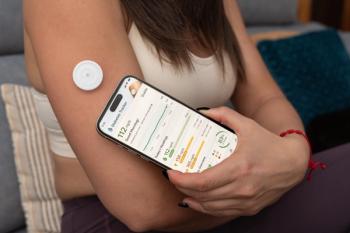
As these tools continue to move into mainstream diabetes management, it is increasingly important that pharmacists have proficiency.
As these tools continue to move into mainstream diabetes management, it is increasingly important that pharmacists have proficiency.
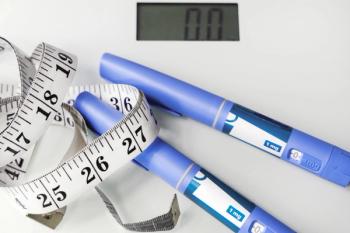
Understanding this rapidly evolving therapeutic landscape will be essential as obesity pharmacotherapy continues to transform diabetes and cardiometabolic care.

Identifying high-risk patients, optimizing lipid-lowering therapy, and helping patients achieve evidence-based targets remain critical to improving cardiovascular outcomes.
The ADA Scientific Sessions highlighted important advances across the diabetes treatment landscape.

Phase 3 REIMAGINE data presented at ADA 2026 show the amylin–GLP-1 combination bests semaglutide monotherapy across type 2 diabetes stages, with implications for pharmacist-managed diabetes care.

A post hoc analysis of ATTAIN-1 and ATTAIN-2 presented at ADA 2026 found orforglipron (Foundayo) significantly reduced body weight and waist circumference in women regardless of menopausal stage.
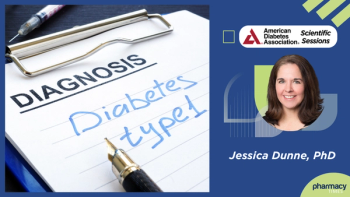
Jessica Dunne, PhD, discusses why adult type 1 diabetes (T1D) is frequently misdiagnosed as T2D in patients with gestational diabetes mellitus (GDM) and how autoantibody testing could close the diagnostic gap.
Pharmacy Times interviews Tracey Taveira, Pharm.D., CDOE, CVDOE, on the key challenges she discovered in optimizing cardio-renal risk in diabetes that she presented in ADA 2026.
Pharmacy Times interviews Tracey Taveira, Pharm.D., CDOE, CVDOE, to discuss pharmacist impact, VA system insights and practical lessons in cardio-renal diabetes care that she discussed in her presentation at ADA 2026.
Pharmacy Times speaks with Joyce Lee, PharmD, APh, FCCP, BCPS, BCACP, CDCES, to breakdown the diabetes education gap that clinicians can't afford to ignore.
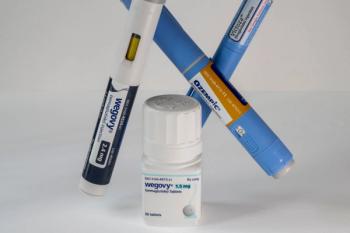
High-dose oral semaglutide pills boost A1C control and double-digit weight loss in diabetes and obesity trials, offering injectable-level results with daily convenience.
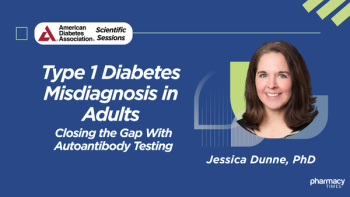
Jessica Dunne, PhD, discusses why adult T1D is frequently misdiagnosed as T2D and how autoantibody testing could close the diagnostic gap.
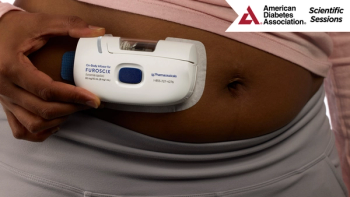
A post hoc analysis of the AT HOME-HF trial found lower hospitalization rates and longer time to admission among patients with diabetes treated with subcutaneous furosemide compared with usual care.
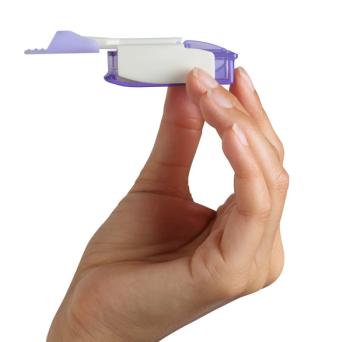
A poster presented at the 2026 ADA Scientific Sessions underscores the importance of individualized dose titration for patients with type 1 diabetes (T1D) utilizing Technosphere inhaled insulin.
New SYNCHRONIZE data signal broad metabolic and hepatic benefits.

A pilot survey presented at ADA Scientific Sessions found that although health care professionals reported high awareness of DSMES, important gaps in actual understanding remain.
Dave Dixon, PharmD, examines why SGLT2 inhibitor and GLP-1 uptake remain low and how pharmacists can bridge the gap between evidence and implementation.
Expert Lance Sloan, MD, MSE, FACE, FASN, FACP, FEAA, FASPC, discusses CATALYST trial data on mifepristone, glucagon-like peptide-1 receptor agonist (GLP-1 RA) resistance, and screening for hypercortisolism in uncontrolled type 2 diabetes (T2D).
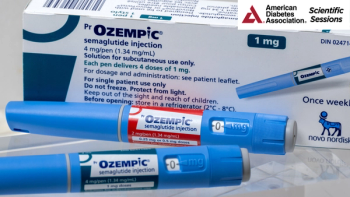
Adding semaglutide to existing regimens in older adults with inadequately controlled T2D significantly reduced HbA1c, fasting blood glucose, body weight, and blood pressure.
Targeted diabetes education improved pharmacists' confidence and competence in addressing clinical inertia, with survey data identifying leading causes of delayed treatment intensification in type 2 diabetes.
John Buse, MD, PhD, breaks down the 2026 American Diabetes Association (ADA) hyperglycemia guidance update, including earlier glucagon-like peptide-1 (GLP-1) receptor agonist and sodium-glucose cotransporter 2 (SGLT-2) inhibitor use and a broader holistic care framework.

Real-world ADA 2026 data shows bempedoic acid add-on lowers major heart risks in type 2 diabetes more than ezetimibe, despite smaller LDL drops.
Jillian Fetzner, MSN, APRN-CNP, described how integrating pharmacists into a collaborative practice agreement processed 3750 diabetes refill requests without provider involvement.
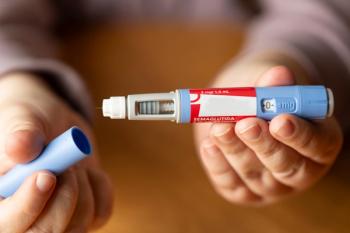
High-dose semaglutide shows improved kidney markers and lowers inflammation in obesity without diabetes, suggesting benefits beyond weight loss.
Dave Dixon, PharmD, breaks down the key cardiovascular and kidney risk management updates in the 2026 ADA Standards of Care and what they mean for pharmacy practice.
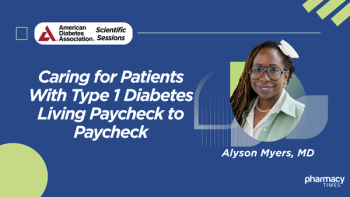
Alyson Myers, MD, explains why expanded telehealth access, technology equity, and pharmacist partnerships are essential — not optional.

A pharmacist-led refill authorization program in endocrinology eliminated 3750 refill requests from provider in-baskets in 2025.
ADA data show CGM plus pharmacist groups helps seniors with type 2 diabetes prevent hypoglycemia, boost confidence, and prompt safer meds.
Insights from the American Diabetes Association 85th Scientific Sessions.
New research reveals that combining bimagrumab and semaglutide enhances fat loss while preserving muscle mass, revolutionizing obesity treatment strategies.