

Top news of the week from Pharmacy Times.
Top news of the week from Pharmacy Times.
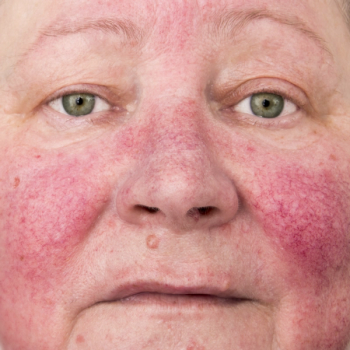
Minocycline is the first product to be approved by the FDA for use in rosacea, a diverse skin condition that most commonly presents with deep facial redness, spider veins, and acne-like inflammatory lesions.

What chemical was preferred in the 17th and 18th centuries for its ability to induce vomiting and to balance the body?

The Rare and Atypical Diabetes Network (RADIANT) plans to screen approximately 2000 people with unknown or atypical forms of diabetes that do not fit the common features of type 1 diabetes (T1D) and type 2 diabetes (T2D).

The FDA has approved golimumab for the treatment of patients 2 years of age and older with active polyarticular juvenile idiopathic arthritis.

Two groups of medications that are generally prescribed to treat type 2 diabetes have been found to reduce risks associated with chronic kidney disease and cardiovascular disease.

This is the largest contact tracing study conducted in the world for any disease, analyzing the process of identifying people who came into contact with an infected person, according to a press release.

The study suggests that babies born to mothers infected with the virus generally do well 6 to 8 weeks after birth.

Intravenous Immunoglobulin helps to improve hypoxia, which can reduce the need for mechanical ventilation.

A messenger RNA coronavirus disease 2019 (COVID-19) vaccine was well tolerated in older adults.

Next-generation clinical pharmacy technology enriches the patient-pharmacist experience to drive better outcomes for health plans and risk-bearing providers.

Dimethyl fumarate delayed-release capsules are a therapeutic equivalent generic version of Tecfidera (dimethyl fumarate).

The announcement is part of the Rapid Acceleration of Diagnostics (RADx) initiative and the RADx Underserved Populations (RADx-UP) program, which will support 32 institutions across the United States and focus on populations disproportionately affected by the pandemic.

The highest increase in remote delivery of mental health care was reported in those working in outpatient facilities and in women.

Pharmacy managers can resort to any great number of tools to help promote self-efficacy, including positive performance feedback, delegation, and empowerment.

Lower birth weight babies may not be able to metabolize medication as efficiently as normal weight babies.

Only one-third of parents believe it is more important for their children to receive an influenza (flu) vaccine this year than previous years, according to a recent national poll.

The researchers examined blood samples from 235 patients who were admitted to the hospital with COVID-19 to measure their vitamin D status.

Individuals with asymptomatic Alzheimer disease are more likely to fall than those who are not on track to develop dementia.

Understanding risk factors and treatments for irregular heart rhythms may be especially important during the COVID-19 pandemic.

The results of an additional secondary endpoint from the phase 3 HERO study evaluating oral relugolix in men with advanced prostate cancer showed that relugolix had a similar rate of castration resistance-free survival compared to intravenous leuprolide acetate in men with metastatic disease through 48 weeks.

The findings could additionally help researchers understand the fundamental biology of how coronavirus disease 2019 (COVID-19) spreads from the lungs to the body.

The FDA has approved mepolizumab for the treatment of hypereosinophilic syndrome.

Inflammation caused by rheumatoid arthritis may increase the risk of type 2 diabetes.

The FDA has approved tofacitinib for the treatment of children and adolescents 2 years and older with active polyarticular course juvenile idiopathic arthritis.

Survey shows that having a pet was linked to maintaining better mental health and reduced loneliness, with 90% of the 6000 participants from the UK saying they had at least 1 pet.

Cefiderocol approved for the treatment with hospital-acquired bacterial pneumonia and ventilator-associated bacterial pneumonia.

The Provider Relief Fund, as part of the CARES Act, was an important stopgap for many health care providers across the country, but details on reporting requirements and timing have been elusive.

In 1989, more than 1500 young, healthy people started experiencing mysterious symptoms that included unusual skin rashes, muscle pains, dramatic eosinophilia, and tightening of the skin.