
The Version 3.2025 update adds tislelizumab-based regimens as preferred first-line treatments and introduces new dosing schedules for PD-L1–positive esophageal squamous cell carcinoma.
The Version 3.2025 update adds tislelizumab-based regimens as preferred first-line treatments and introduces new dosing schedules for PD-L1–positive esophageal squamous cell carcinoma.

The smartphone application-led delabeling also did not delay surgeries or procedures in the evaluated clinics.

Clinicians should not just focus on one single nucleotide polymorphism (SNP), but rather consider all SNPs because each factor causes unique adverse effects


The announcement could ease the burden of prior authorizations on patients, which can cause unnecessary delays for patients receiving prescriptions and serious complications.

Breast cancer treatment is highly individualized and based on the stage, hormone receptor status, HER2 expression, and patient-specific factors.

Recognizing pharmacy technicians as non-pharmacist preceptors can provide an opportunity for professional development while encouraging technicians to practice at the top of their education and training activities.

Thrombosis occurs in approximately 20% of myeloproliferative neoplasms.

The in vivo gene editing program is designed to eliminate cccDNA and inactive integrated hepatitis B DNA.

Experts attribute the increase of pertussis cases to declining DTaP vaccination rates.

Continuing education supports pharmacy technician career advancement, retention, and skill development.

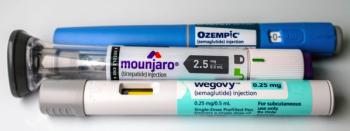
A holistic approach emphasizing lifestyle modifications is essential to maintain weight loss after and while stopping medication.

Invasive pneumococcal disease trends have fluctuated greatly over the past 2 decades, with older adults remaining at the center of disease burden.
Host Craig Beavers spoke with Arthur Allen, PharmD, for the latest updates from the RIVAWAR trial and the newest ACS guidelines.




An oral dose of 0.6 mg per 5 mL of colchicine could aid individuals who have trouble with swallowing pills.

The meaningful results were reported in the DESTINY-Breast09 trial.

Although most health care professionals agree that patients do not need prescriptions for chronic diseases during end-of-life care, patients often receive them anyway.

The breakthrough designation is supported by clinical data from ongoing phase 1/2 trials.

In contrast to the study findings, the prescribing information for cefiderocol lists different common adverse effects.

Ronna Hauser, PharmD, senior vice president of policy and pharmacy affairs at NCPA, discusses concerns about the implementation of the MDPNP.

By implementing work practices alongside administrative and engineering controls, a safe and healthy work environment can be achieved.

Children who received antibiotics between birth and 2 years of age were more likely to develop food allergies, allergic rhinitis, and asthma, but not neurodevelopmental conditions.

Traditional risk factors were more contributable to cryptogenic ischemic stroke (CIS) without patent foramen ovale (PFO), whereas nontraditional ones were more critical for CIS with PFO.

Delayed pegaspargase reduces hepatotoxicity without affecting outcomes.
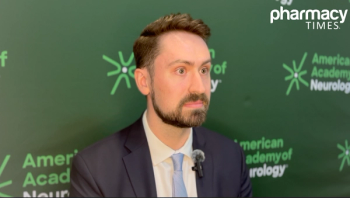
Philip Kuball, MD, neurology resident at NYU Langone Health, highlights the integral role of pharmacists in monitoring patient eligibility, managing dosing schedules, and ensuring safe medication interactions for lecanemab treatment in Alzheimer disease.

These results suggest that individuals who are immunocompromised with type 2 diabetes (T2D) may need multiple doses of a pneumococcal conjugate vaccine (PCV) to sustain their protection.