

All News
Advertisement

Like other high-risk groups, children with sickle cell disease have a heightened risk of invasive pneumococcal disease, even if they receive proper pneumococcal conjugate vaccine coverage.
Advertisement

This new generic will impact both oncology and community pharmacists.

Administration during peak vaccine effectiveness provides maximal protective benefit

FDA and CDC halt Ixchiq chikungunya vaccine for adults 60 years and older due to severe adverse events, including fatalities, urging caution in vaccination practices.

The executive order gives pharmaceutical companies 30 days to voluntarily lower prices.
Advertisement

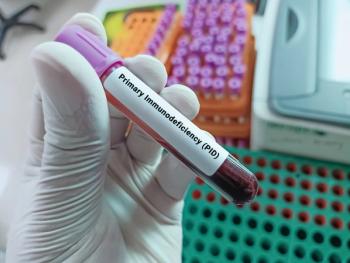
Despite being an effective treatment option, intravenous immunoglobulin (IVIG) can cause transient adverse events in pediatrics with primary immunodeficiency, including headache and fever.


Advertisement

A natural aging supplement enhances muscle strength and reduces biological age, promoting healthier aging.

Artificial intelligence (AI) can transform rare disease research by leveraging patient data, enhancing evidence generation, and improving communication between patients and health care professionals.
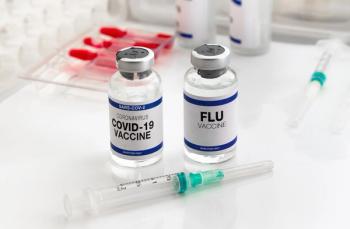
A new multicomponent vaccine, mRNA-1083, shows promise in enhancing immune responses against influenza and COVID-19, addressing vaccine hesitancy effectively.

Explore the latest insights on emerging antibody drug conjugates for HER2 breast cancer and real-world management strategies.

Maternal cardiometabolic issues during pregnancy significantly elevate children's blood pressure, highlighting the need for preventive health measures.
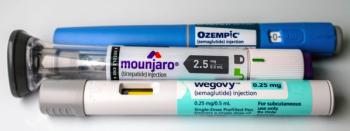
Pharmacists are positioned to significantly impact weight management by offering accessible expertise in medication, lifestyle guidance, and long-term support for healthier choices.

During a panel discussion, 3 experts highlighted ways health care professionals and researchers can help provide patient-centered care.

A pharmacist champion enhances access to resmetirom for treating MASH, demonstrating the importance of coordinated specialty care in medication approval.

Emma Murter, PharmD, MPH, and Madison N. Irwin, PharmD, BCPS, discuss the potential role of low-dose naltrexone in managing chronic pain in palliative care, highlighting its anti-inflammatory properties, limited adverse effects, and current evidence gaps—particularly in comparison to traditional opioids and adjuvant analgesics.

While vaccine research and approvals continue to break new ground, use and faith in them are faltering.


The process provides an opportunity for personal and professional growth.

PharmStart empowers pharmacy technicians to pursue their education with tuition-free prerequisites, addressing barriers to entering pharmacy school.

In approximately 84% of cases, the mask was able to detect if patients had chronic kidney disease (CKD).

The study found that only 38% of nations have risk-based pneumococcal vaccine policies.

Specialty pharmacy experts and key opinion leaders gathered at Asembia’s AXS25 Summit and discussed critical insights in interviews with Pharmacy Times®.

New research reveals a promising strategy to slow type 1 diabetes progression by targeting inflammation with an existing psoriasis drug.

Lacy La Fever, PharmD, MS, discussed outcomes associated with different carboplatin AUC dosing strategies.

The new at-home test aims to increase comfort and screening timeliness through a more accessible method.

The most substantial reduction was achieved 2 to 3 years after vaccination with a sustained protective effect lasting up to 8 years.
Advertisement
Advertisement
Trending on Pharmacy Times
1
Oral Semaglutide Demonstrates Greater Weight Loss Versus Orforglipron in Indirect Comparison
2
Retatrutide Delivers Significant Hemoglobin A1C Reduction, Weight Loss in Phase 3 Type 2 Diabetes Trial
3
2026 Dyslipidemia Guidelines: Earlier Screening and What's Coming Next
4
Review Shows Prior Authorizations Lead to Poor Patient Outcomes, Provider Burnout
5