

It is an FDA-approved-agent agnostic approach to gathering routine clinical practice data and outcomes for sharing and transparency.
It is an FDA-approved-agent agnostic approach to gathering routine clinical practice data and outcomes for sharing and transparency.
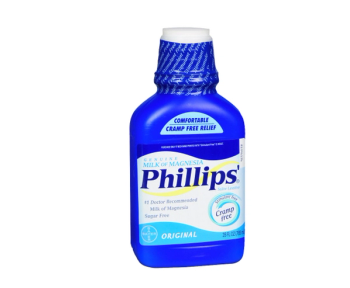
Milk of Magnesia is a laxative thought to work by drawing water into the intestines, which can cause movement of the intestines.
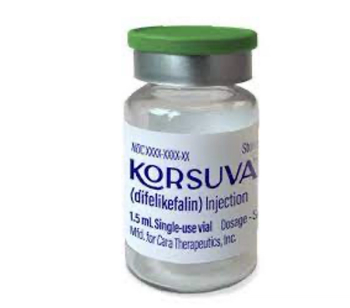
Difelikefalin treats moderate-to-severe pruritus associated with chronic kidney disease in adults undergoing hemodialysis.
Peer Exchange panel discusses pharmacists' role in recommending systemic and topical agents.
Gaby Gabriel, MD, program director, interventional radiology residency and assistant program director, diagnostic radiology residency, University of Kentucky, discusses the implications of research into the treatment of liver metastases in patients with gastrointestinal NETs.

No new safety concerns were encountered, which the investigators said support the frontline use of daratumumab plus lenalidomide and dexamethasone for patients with multiple myeloma who are ineligible for transplantation.
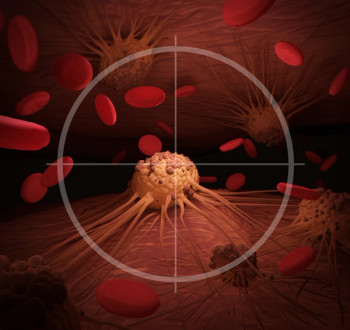
Regularly testing before and during chemotherapy can help physicians determine early on if treatment is working.
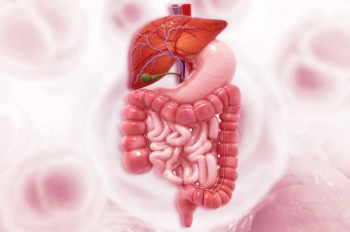
Dumping syndrome occurs when food, especially sugar, moves from the stomach into the small bowel too quickly.

Study addresses the impact of COVID-19 on the mental health of older people.
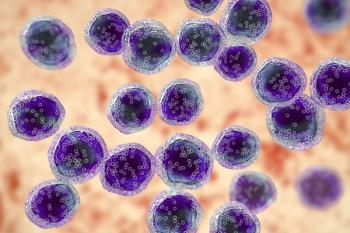
Adam Olszewski, MD, associate professor of medicine in Alpert Medical School at Brown University, discusses the role setting has in the care of patients with Burkitt lymphoma.

Kyle Detwiler, CEO of Clever Leaves, discusses his company’s donation of $1 million in medical-grade cannabis to research organizations for the purposes of advancing medical research.
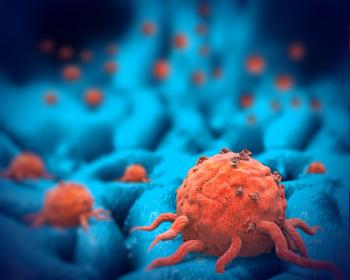
Gaby Gabriel, MD, program director, interventional radiology residency and assistant program director, diagnostic radiology residency, University of Kentucky, discusses the findings regarding the efficacy of combining and sequencing liver-directed therapy with systemic therapy.

Trends to watch include increased spending on drugs and treatments, expansion of pharmacists' role, and ongoing interest in home infusion therapy.

The study results also show that strokes were far more common among traditional smokers.

But expanding coverage in 2014 was associated with a notable increase in enrollment among individuals with heart failure, study results show.


Individuals taking erenumab had a 55.4% reduction from baseline in their monthly migraine days, results from HER-MES show.

Use lowest effective dosages to prevent constipation, sedation, respiratory depression, and more.

Patients who received information in their native language reported being more likely to understand the information about their medication.

A pharmacist can offer up to date knowledge on the clinical evidence behind new drugs, serving as a source of guidance for patients amongst the controversy with aducanumab and other new medications for Alzheimer disease.

Ismail Lourido Ali, the director and counsel of policy and advocacy at the Multidisciplinary Association for Psychedelic Studies (MAPS), addresses the difference between legalization and decriminalization of psychedelic drugs, specifically in reference to the impact on medical research.
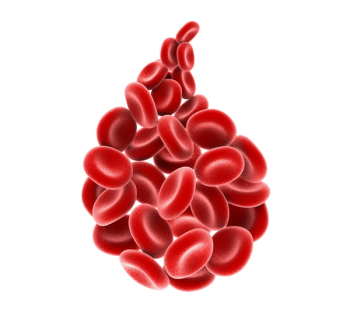
Study results show that those with lymphoproliferative disorders are the most likely to develop the virus after vaccination.

Parents or legal guardians of children in this age range are now able to schedule appointments for vaccination.
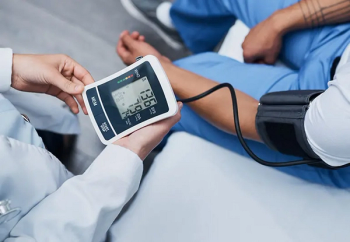
Penn State investigators have found that foods with 6.5 grams, or about 1.3 teaspoons, were linked to reducing hypertension after 4 weeks.

Gaby Gabriel, MD, program director, interventional radiology residency and assistant program director, diagnostic radiology residency, University of Kentucky, discusses areas of concern when approaching the combination and sequencing of liver-directed therapy with systemic therapy.

A single 1200 mg subcutaneous dose of casirivimab and imdevimab (Regen-COV, Regeneron Pharmaceuticals), a preventative COVID-19 treatment, reduced the risk of contracting COVID-19 by 81.6% during months 2-8, according to additional results from a phase 3 trial published in The New England Journal of Medicine.
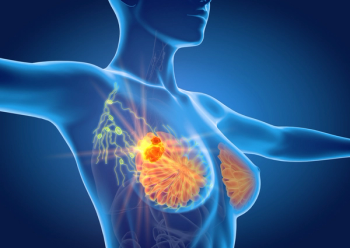
Ten quiz questions to assess your knowledge on common symptoms and treatments for breast cancer.

Compound W is used to help remove warts, corns, and calluses.
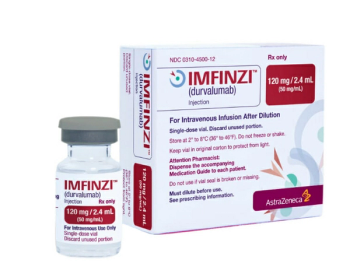
Durvalumab is a human immunoglobulin G1 kappa monoclonal antibody that binds to PD-L1 and blocks the interaction of PD-L1 with PD-1 and CD80.
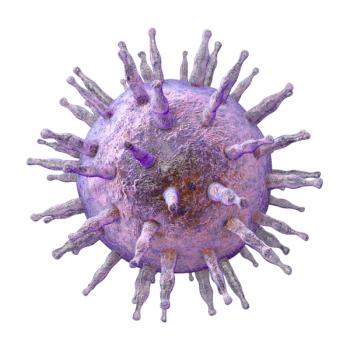
Adam Olszewski, MD, associate professor of medicine in Alpert Medical School at Brown University, discusses how the care setting can impact patient outcomes in the treatment of Burkitt lymphoma.