

The number of FDA-approved biologics has exploded, and biosimilars are making their mark
The number of FDA-approved biologics has exploded, and biosimilars are making their mark

Innovations are expanding opportunities for care.

Students express interest in whole-person care and identify it as a gap in their education.

The shift is intended to maintain uninterrupted access to PrEP, crucial for preventing HIV, and highlights the ongoing efforts to end the HIV epidemic by improving public health outcomes.

However, the cost of zuranolone makes it challenging to access and justify, given study results comparing it with brexanolone.

Individuals that followed the Mediterranean diet with EPA-DHA supplements displayed an increase in omega-3 levels which improved clinical appearance.

There were positive efficacy and safety results for tivozanib monotherapy consistent with previous analyses.

Having the authority to prescribe nicotine replacement therapies does not mean that pharmacists are getting involved in these programs, so ongoing research is investigating how to create sustainable models with greater pharmacist involvement.

The findings showed that pharmacist-led interventions resulted in the greatest systolic blood pressure reductions.


In a study of Swedish patients with mantle cell lymphoma, the participants faced a heightened risk of infection after their diagnosis and associated treatment for the disease.

The importance of protecting the skin is often underestimated by patients

More cost effectiveness data is crucial in advocating for better insurance coverage in the United States.

Both economic factors and supply chain fragility play a role.

The cause of the outage was deemed to be due to a defect found in a content update for Windows users.

Historically there was little distinction, but recent changes bring new challenges.

Confusing product labeling and conflicting data can create challenges for patients.

The authors emphasize that clinical research should focus on real-world difficulties, and pediatric asthma control should be seen as a health care priority.

Safety and efficacy findings on Lomecel-B will be presented at the upcoming 2024 Alzheimer’s Association International Conference, which will be held July 28 to August 1.

Pharmacists have become the driving force behind immunizations in the US.

Acetylcholine deficit observed in patients with anorexia nervosa suggest potential targeted treatment options.

Proactive strategies to protect health care data from hackers.

Anatomical alterations result in many downstream changes, such as changes in pH, gastric volume, food intake, surface area for absorption, gastric emptying and transit times, and intestinal enzymes and efflux pumps, among others.

A large portion of the population of patients in the United States with GERD have the non-erosive type of the disease.

This month's product news features clonidine hydrochloride, ThermaCare HeatWraps, and iberogast.

The Pharmacy Quality Alliance Annual Meeting highlighted social determinants of health, oral oncolytics, and screening opportunities.

IMROZ study data show Isa-VRd may be a new standard of care.
Tune into this episode of “Public Health Matters” to hear how Walmart is leveraging its network to provide HIV care and specialty pharmacy services and how integrating community pharmacy outreach is significant for patients.
Investigators found that the risk of long COVID decreased over the course of the pandemic.
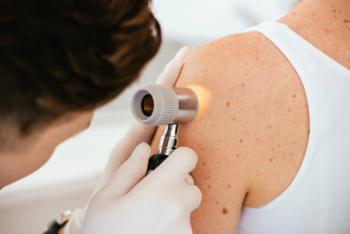
NADINA trial results support a new standard of care for these patients.