

Unused, unwanted, and expired medications pose a serious threat to both public health and the environment.
Unused, unwanted, and expired medications pose a serious threat to both public health and the environment.
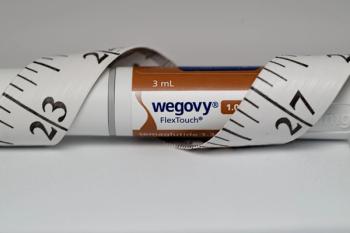
GLP-1 compounding faces legal challenges, evolving FDA rules, and heightened enforcement risks.
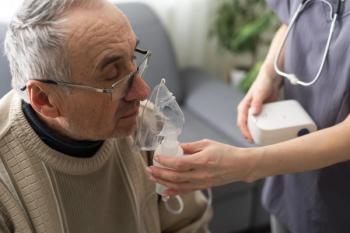
UPMC's integrated approach to COPD care enhances patient outcomes through personalized support, coordinated services, and effective pulmonary rehabilitation strategies.
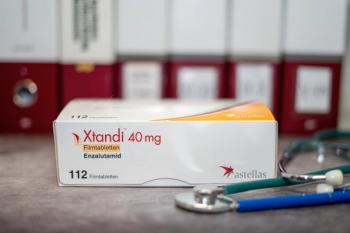
Enzalutamide combined with leuprolide significantly enhances survival in high-risk non-metastatic prostate cancer, marking a breakthrough in treatment strategies.

Unique barriers can lead to psychiatric medication adherence rates as low as 26%.

Pharmacists play a vital role in translating global health news into actionable knowledge for their communities.
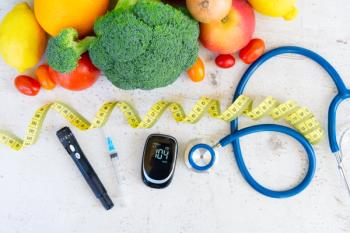
Once-weekly efsitora alfa shows promising hemoglobin A1C reduction in type 2 diabetes (T2D), simplifying insulin therapy and reducing injection frequency significantly.

Research reveals HER2-negative breast cancer shows higher pCR rates than HER2-low, influencing neoadjuvant chemotherapy strategies for early-stage patients.
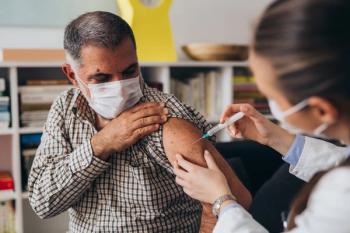
A large retrospective study funded by the CDC indicates broad additional protection against COVID-19, especially for older adults and immunocompromised patients.



Research reveals that higher BMI in women with cardiovascular disease significantly increases breast cancer risk, highlighting the need for targeted prevention strategies.

The FDA approves a prefilled syringe for the zoster vaccine recombinant, enhancing shingles vaccination convenience and effectiveness for adults 50 years and older.

New research links gabapentin use for back pain to increased dementia risk, especially in middle-aged adults.

Micronutrient deficiencies, particularly in vitamins D, B12, and folate, significantly impact chronic pain intensity, suggesting dietary interventions may alleviate symptoms.

Maridebart cafraglutide showed promising results for weight management in obesity and type 2 diabetes (T2D), achieving significant weight loss without plateau.
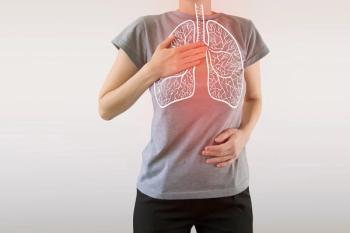
Since the most recent guidelines were published, more evidence has emerged regarding intravenous corticosteroids for severely ill patients.

New research shows effective interventions can reduce prescriptions across all ages.

An adjusted analysis of the ALPINE and ASCEND trials revealed a statistically significant progression-free survival advantage for zanubrutinib.
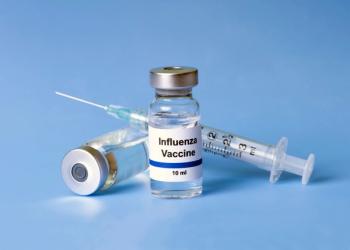
Influenza Vaccination Preparation Should Be on the Docket for Any Pharmacy After a Much-Anticipated ACIP Meeting
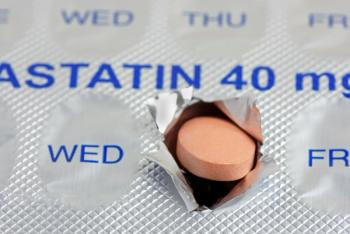
Statins such as simvastatin do not have additional antidepressive effects in combination with standard escitalopram treatment in patients with comorbid major depressive disorder (MDD) and obesity.

The biosimilar showed similar efficacy, pharmacokinetics, pharmacodynamics, safety, quality of life, and immunogenicity in patients with chronic spontaneous urticaria (CSU).

The data highlight novel therapies and biomarkers shaping personalized cancer care.
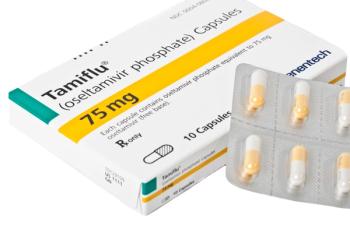
New research highlights the benefits of early oseltamivir treatment for hospitalized patients with influenza, reducing mortality and readmission rates while optimizing care.
The COBBRA trial compared bleeding risk with rivaroxaban vs apixaban in patients with acute venous thromboembolism.

Obesity and type 2 diabetes in youth significantly increase the risk of osteoporosis and fractures, highlighting the need for early intervention and healthy habits.
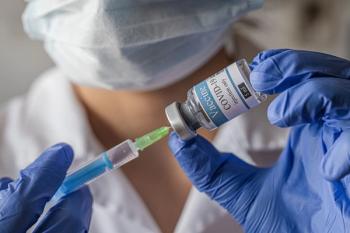
Receiving a COVID-19 vaccination vastly reduced the risk of long-term hospitalization, necessitating dialysis, and morbidity in patients hospitalized with acute kidney injury related to SARS-CoV-2 infection.
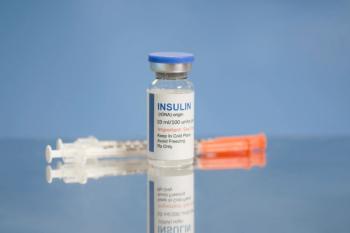
The agent, Kirsty, represents a more affordable alternative to Novolog.

Adam James, PharmD, and Chris Altman, PharmD, discuss renewed public scrutiny of thimerosal, its limited use in vaccines today, and how new guidance may affect pharmacists and patient confidence moving forward.