

All News
Advertisement

Serious vascular events in patients with diabetes can be prevented with aspirin use, according to results of the ASCEND (A Study of Cardiovascular Events iN Diabetes) trial, which were presented at the ongoing ESC Congress in Munich, Germany.
Advertisement

Daily aspirin did not reduce the occurrence of major cardiovascular events a study of more than 12,500 participants considered to be at risk.

Substituting brand name combination drugs for lower-cost generics could have reduced spending by $925 million in 2016.

New drug could serve as a potential treatment option for patients who have shown an inadequate response to conventional disease-modifying drugs.

Can you solve the pharmaceutical mystery? Each week, a new case study is presented.
Advertisement

Genetically humanized mice may help researchers develop treatments for hepatitis D virus.

Top news of the day from across the health care landscape

Top news of the day from across the health care landscape

A recent study discovered a new way to use bioinformatics to determine how a patient’s immune system responds to immunotherapy.
Advertisement

Serious vascular events in patients with diabetes can be prevented with aspirin use, according to results of the ASCEND (A Study of Cardiovascular Events iN Diabetes) trial, which were presented at the ESC Congress in Munich, Germany.

The benefits of taking aspirin to prevent a second or subsequent cardiovascular event have been well established in previous studies but the effectiveness of taking aspirin to prevent a first cardiovascular event has been unclear, despite 30 years of randomized clinical trials.

The data demonstrated that the lotion resulted in statistically significant reductions in both inflammatory and noninflammatory lesions compared to vehicle.
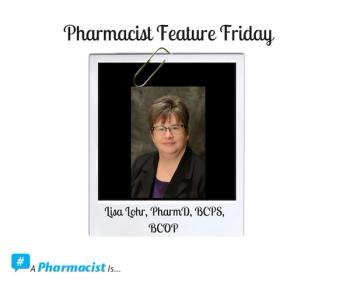
This week's featured pharmacist is Lisa Lohr, Pharm D, BCPS, BCOP, a Specialty Medication Therapy Management pharmacist specializing in oncology care.

Improved access to uniform cancer care in rural areas could help reduce disparities seen between rural and urban patients.

Officials with the FDA have approved the first monoclonal antibody, lanadelumab (Takhzyro, Shire) for the treatment of patients 12 years and older with types 1 and 2 hereditary angioedema (HAE), according to the agency.
Top news of the day from across the health care landscape
Top news of the day from across the health care landscape









Advertisement
Advertisement
Trending on Pharmacy Times
1
TrumpRx Launches, Offering Cash-Paying Patients Discounted Drugs
2
Enlicitide Meaningfully Lowers LDL-C at 24 Weeks in Patients At Risk for ASCVD Events
3
SGLT2 Inhibitors in T2D Lower 5-Year Risk of CKD and Acute Kidney Injury
4
Pharmacist Takeover: CAR T Therapy Signals a Shift in ALL Treatment
5