

All News
Advertisement

Advertisement

The authors wrote that their findings show a necessary update following early data from the Women’s Health Initiative.

Influenza vaccination provided direct, non–infection-based benefits in older adults.

Further research is needed to better understand which characteristics may better predict who are more likely to benefit from estrogen-based menopausal hormonal therapy (MHT) for anxiety.

Samantha Picking, PharmD, highlights pharmacists’ leadership in immunization initiatives, public health collaborations, and the evolving role of community pharmacy in preventive care.
Advertisement
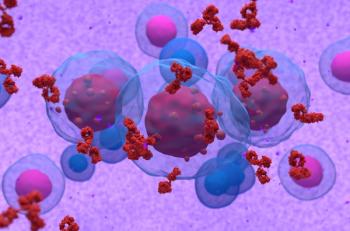
FDA Approves Blenrep for Treatment of Relapsed or Refractory Multiple Myeloma
Published: | Updated:
FDA approves belantamab mafodotin-blmf for relapsed or refractory multiple myeloma, enhancing treatment options and survival rates for patients with limited therapies.

If approved, SYD-101 would have been the first FDA-approved treatment for pediatric myopia, offering hope to millions of affected children in the US.

New research highlights the enhanced humoral response in lymphoma survivors receiving two doses of the PCV20 vaccine, emphasizing vaccination's critical role in infection prevention.

Megan Dulohery Scrodin, MD, highlights Mayo Clinic's innovative COPD care model, emphasizing multidisciplinary collaboration and AI tools for improved patient outcomes.
Advertisement

Initiatives aim to reduce residents' high rates of depression and increase self-care skills.

Experts discuss breakthroughs in respiratory virus vaccines.

Elinzanetant shows promise as a new treatment for menopause-related vasomotor symptoms, offering rapid relief and a favorable safety profile.

New clinical trial results suggest G-CSF as a promising alternative for managing hot flashes in menopausal women, without the risks of traditional therapies.

Clear communication, personalized counseling, and supportive environments help address barriers, empower patients, and enhance outcomes.

Pharmacy students face emotional struggles but require resilience, shared support, and love to move forward.

Although long COVID remains a complex disease, pharmacists are critical team members for patient symptom validation, managing polypharmacy, and navigating therapy access.

Research highlights the impact of sleep disturbances and vasomotor symptoms (VMS) on HRQoL in women transitioning to menopausal period, emphasizing the need for effective management.

Embedding standards in pharmacy practice help ensure medication quality, safety, and patient understanding.

Research reveals varying impacts of GLP-1 receptor agonists on asthma risk, urging careful medication selection for patients with diabetes and respiratory issues.

Explore how pharmacists can better support indigenous and Hispanic women during menopause through culturally sensitive care and family involvement.

When administering T-cell–modifying therapies, infections during and after treatment are a serious and pertinent risk.

When treating vasomotor symptoms (VMS), 15- and 20-mg doses of estetrol (E4) did not significantly hinder postmenopausal women’s blood pressure, including those with cardiovascular risks.

Chronic graft-vs-host disease (cGVHD) is the leading cause of late, non-relapse mortality for patients who have undergone an allogeneic hematopoietic stem cell transplant. Axatilimab, which has durable responses and an attractive safety profile, offers a novel mechanism of action for the treatment for patients who have not succeeded with at least 2 prior lines of systemic therapy.

A digital therapeutic app enhances access to behavioral cough suppression therapy.

Community pharmacists are especially valuable amid lower interest and staff shortages.

Infectious disease experts provide the latest updates in RSV, pneumococcal disease, whooping cough, and multidrug-resistant tuberculosis.

New research reveals how menopausal hormone therapy impacts cognitive health in postmenopausal women, highlighting the importance of administration routes and estrogen types.

Overdoses remain alarmingly high despite new tools like OTC Naloxone, highlighting persistent barriers to care.

Experts outline innovative approaches to reduce inequities in diagnostic access and optimize patient outcomes.
Advertisement
Advertisement
Trending on Pharmacy Times
1
Cyclosporiasis Cases Reach 5100: Investigators Zero in on Lettuce, Possible Taco Bell Link
2
Anemia in Multiple Myeloma: Mechanisms, Management, and Emerging Therapies
3
Gedatolisib Combination Approved for PIK3CA Wild-Type HR+, HER2– Breast Cancer
4
From Assessment to Discharge: Pharmacists Drive Safer, Patient-Centered Acute Pain Management
5