ENDURANCE trial finds fixed 2-year lenalidomide maintenance matches continuous therapy for standard-risk multiple myeloma survival, guiding oncology pharmacists on MM regimen toxicity.
Clinicians can mitigate anemia during cancer treatment by reducing the dose, switching to alternate-day dosing, or providing growth factor support.
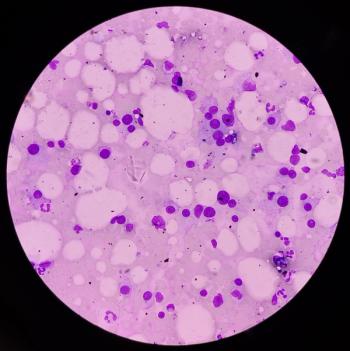
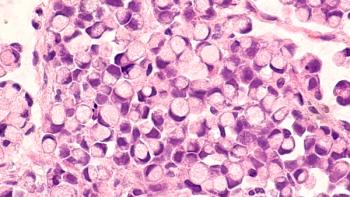
Multiple myeloma (MM) is a blood cancer that results from unregulated growth of plasma cells within bone marrow. Healthy plasma cells assist in antibody production and long-term protection against infection. Malignant plasma cells rapidly crowd bone marrow, leading to downregulated immunity and organ dysfunction in advanced stages. Bone marrow crowding also decreases available red blood cells (RBCs), leading to anemia.1 At the time of MM diagnosis, up to 70% of patients present with anemia.2
A team of researchers from Italy has assembled an updated comprehensive review of MM and management of anemia.3 Their findings remind clinicians that malignancy can directly cause anemia, while patient comorbidities and medications used to treat MM can also contribute to its development. The mechanism of disease-induced anemia is multifactorial—increased production of inflammatory cytokines, apoptosis of RBC progenitors, and decreased transcription factors can all contribute. New evidence suggests that CD71+ erythroid cells suppress T-cell function, making patients with this immunophenotype particularly susceptible to rapid MM progression and infection.3
Anticancer agents that treat MM include immunomodulatory agents (IMiDs) such as lenalidomide (Revlimid; Celgene Corp), anti-CD38 monoclonal antibodies like daratumumab (Darzalex; Johnson & Johnson), bispecific T-cell engagers, and CAR-T personalized immunotherapy. Although these agents prolong progression-free survival, they can also contribute to MM-associated secondary anemia because they lack complete specificity for malignant plasma cells. IMiDs have the highest rate of anemia (up to 30%), whereas anti-CD38 agents have the lowest incidence. Newer agents such as the investigational drug iberdomide (Bristol Myers Squibb) pose less of a threat, but some degree of hematologic toxicity is inevitable with MM therapies.3
Clinicians can mitigate anemia during cancer treatment by reducing the dose, switching to alternate-day dosing, or providing growth factor support. Anemia treatment has historically been reserved for those with severe anemia and consists of RBC transfusions and erythropoietin-stimulating agents (ESAs) in those with low hemoglobin levels who require more aggressive treatment. However, given most patients are older and are in a hypercoagulable state given their malignancy, ESAs can drastically increase the risk of thromboembolism.3
In early 2024, sotatercept (Winrevair; Merck) came to the market, offering a new treatment option with a novel mechanism of action. Sotatercept downregulates the SMAD2/3 signaling pathway in RBC progenitor cells, leading to enhanced erythroid differentiation in precursor cells. Current clinical trials are evaluating sotatercept alongside melphalan, prednisone, and thalidomide, offering new hope for severely anemic patients who may not be candidates for ESAs.3
Given the high burden of anemia in patients with multiple myeloma, ongoing advances in anemia therapies are essential and have the potential to improve survival outcomes. Pharmacists are uniquely positioned to guide therapy selection and monitor for hematologic toxicity across the treatment continuum. Recognizing that anemia in this population often stems from a convergence of disease biology, comorbidities, and anticancer therapy itself underscores the importance of individualized care, particularly when weighing the thromboembolic risks of ESAs against the needs of an aging, hypercoagulable patient population.
About the Author
Ethan Nolin-Halpern is a 2027 PharmD candidate at the University of Connecticut School of Pharmacy and Pharmaceutical Sciences in Storrs.