

Pharmacists want you to be on time.
Pharmacists want you to be on time.

The efficacy and adverse effects associated with COVID-19 vaccines is a leading cause of hesitancy in parents, according to a new study.

The FDA approved a new azole antifungal for recurrent vulvovaginal candidiasis.

The test, called VirSNiP SARS-CoV-2 Spike F486P, is for research use only and specifically targets the unique mutation F486P found within the XBB.1.5 Omicron sub-variant.

Pudlo’s presentation focused on key shifts in chain pharmacies, including pharmacy benefit manager (PBM) reform, pharmacist-administered vaccine trends, and provider status.

The moves come after other efforts to improve staff shortages, including higher wages, lunch breaks, and signing bonuses.

Comprehensive medication management is 1 way to optimize therapy, according to Steven Chen, PharmD, FASHP, FCSHP, FNAP, who spoke at the NACDS Regional 2023 Meeting.

Spinal cord stimulation has been used for 50 years to effectively manage chronic pain without opioids.

National Association of Chain Drug Stores CEO and president, and 2 other experts discuss the importance of advocacy on the statewide policy level.

With the growing importance of pharmacy services, Chen said pharmacists should think outside the box and get creative when finding effective payment models.

Variety of interventions improves morbidity, mortality, associated costs for patients with chronic obstructive pulmonary disorder.

Case studies address questions about a patient with type 2 diabetes and a patient who is curious about nicotine replacement therapy.

Promising results for lecanemab's efficacy in patients with mild cognitive impairment or mild dementia associated with Alzheimer disease were accompanied by reports of adverse effects associated with treatment.

Pharmacists should be vigilant in recognizing medications that are causing insomnia in a patient's profile or electronic medical record.

Mortality was highest among Asian, Black, and Hispanic populations, American Heart Association’s 2023 Statistical Update shows.

Consuming soy flour rich in B-conglycinin also promotes liver homeostasis, which may prevent atherosclerosis and fatty liver disease, research results show.

By setting a standard for prescriptions that improves member access, outcomes, and experience, we will establish a path forward for every facet of health care.

Jim Whitman, senior vice president of member programs and services at the National Association of Chain Drug Stores (NACDS), discussed the upcoming NACDS 2023 Regional Conference and what attendees can look forward to.

The FDA has approved pirtobrutinib (Jaypirca) for the treatment of adult patients with relapsed or refractory mantle cell lymphoma following at least 2 lines of systemic therapy, including a Bruton tyrosine kinase inhibitor.

The FDA has approved elacestrant (Orserdu) for the treatment of postmenopausal women or adult men with estrogen receptor–positive (ER+), HER2-negative, ESR1-mutated advanced or metastatic breast cancer with disease progression following at least 1 line of endocrine therapy.
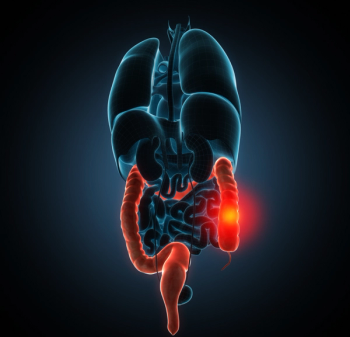
Patients who received first-line ICI showed a significant improvement in progression-free survival (PFS) and overall survival (OS) compared to chemotherapy treatment.

Protect patients by evaluating VIGIV concentration and avoiding tearing of metal flange on vaccine vial.

Academic, community, first responder, government, and medical leaders call for better options to save lives.
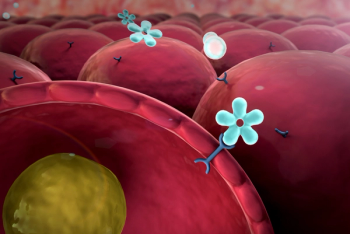
Cases address questions about glycated hemoglobin A1C and hypoglycemia management.

Pembrolizumab approved as adjuvant treatment following surgical resection and platinum-based chemotherapy for patients with stage IB, II, or IIIA non-small cell lung cancer.

When replaced with just 6 to 7 minutes daily of light-intensity exercise or sedentary behavior, data show poorer cognitive performance.
Findings suggest cancer may have overtaken cardiovascular disease as a leading cause of death in individuals with type 2 diabetes.

Relatively higher suicide risks were observed for cancer types with a poor prognosis and high symptom burden in the first 2 years after diagnosis.

Most individuals who used cannabis to manage their chronic pain reported using it in place of other pain medications, including opioids.
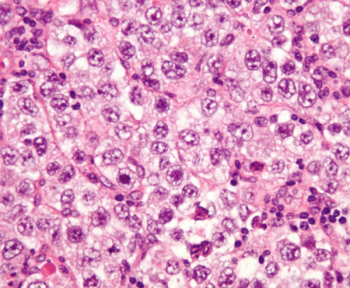
Chronochemotherapy aims to time drug delivery when the body is the least vulnerable to harmful effects, while the cancer cells are the most vulnerable.