

Two studies presented at the World Congress of Nephrology 2026 highlight nonpharmacological strategies that may help preserve kidney function in at-risk populations.
Two studies presented at the World Congress of Nephrology 2026 highlight nonpharmacological strategies that may help preserve kidney function in at-risk populations.

Pharmacists drive acne management by choosing proven OTC ingredients, coaching skin care routines, debunking trends, and knowing when to refer patients to specialists.
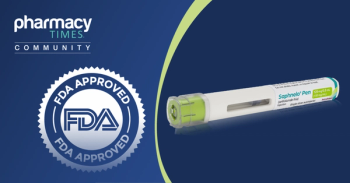
The once-weekly Saphnelo Pen offers adult patients with systemic lupus erythematosus a new, at-home alternative to monthly intravenous infusions, supported by robust phase 3 data.

The emerging data suggest a potential adjunctive strategy to target microbial drivers of head and neck squamous cell carcinoma.

Large real-world analysis supports potential renal and survival benefits of urate-lowering therapy in patients with chronic kidney disease and hyperuricemia.
The actions will support the development of psychedelic-based therapies for PTSD, depressive disorders, and substance use disorders.

Sports Pharmacy Summit unites global experts on anti-doping, supplement safety, and data-driven performance to protect athlete health.

The reclassification of medical marijuana to Schedule III marks a major policy shift that expands research and introduces new potential health care challenges.
This week's episode highlights a new executive order signed by President Trump, new expanded FDA approvals, and a conference roundup.
Rapport Therapeutics' RAP-219 achieved seizure freedom in 24% of patients with drug-resistant focal epilepsy over 8 weeks in a phase 2 trial.
A cognitive neurologist outlines the current Alzheimer disease treatment landscape.
How community oncology practices are expanding access to innovative therapies while navigating reimbursement and care delivery challenges.

The treatment's approval was supported by positive evidence from the phase 1/2 CHORD clinical trial.

Emerging data found that initiating low-dose aspirin at giant cell arteritis diagnosis was associated with reduced 1-year major cardiovascular events but an increased risk of major bleeding.
Pharmacists must remain in a constant state of readiness by implementing structured shortage management plans and guiding patients through access challenges as supply disruptions persist.
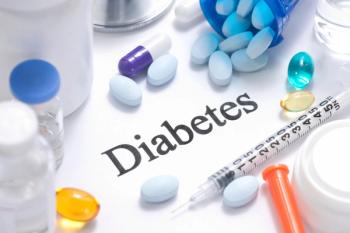
Extended data from ACHIEVE-4 reinforce the durability of oral GLP-1 receptor agonist therapy, with implications for long-term diabetes management and pharmacist-led care.

Lifileucel treats advanced melanoma by harvesting, expanding, and reinfusing a patient's own tumor-infiltrating immune cells.

New Yale University research offers reassurance for pregnant patients and their clinicians, although evidence of lasting structural damage remains a concern.

Tracking PDUFA decisions and early planning can lead to safe, rapid access to new medications for patients.
AI is delivering immediate clinical value in neurology—from ambient scribes and clinical decision support to trial recruitment and medical education.
Dupilumab becomes the first biologic approved for children aged 2 to 11 years with uncontrolled chronic spontaneous urticaria, marking a significant expansion in treatment options and pharmacist-led care considerations.
A Harvard population health researcher presents findings linking adolescent food insecurity to a cluster of brain health risk factors.

Performing medication reconciliations and assessing for drug interactions are examples of strategies to prevent medication errors.

A postdischarge diabetes follow-up showed me how pharmacists prevent harm by catching omissions, simplifying plans, and using technology to restore patient confidence.

Pharmacy Times interviews Robert R. Jeng, MD, on how the gut microbiome may influence CAR T-cell therapy response, toxicity, and persistence, as well as the challenges and future potential of microbiome-based interventions in improving patient outcomes.

Ecopipam reduces Tourette tic relapse risk by approximately 50% with durable control and no movement-related adverse effects.
Pharmacy Times interviews Kamel Lahouel, PhD, and Cristian Tomasetti, PhD, on the challenges of predicting MHC class II peptide binding and how combining structural and sequence-based models can improve accuracy while addressing key limitations.

AACR data show tumor molecular profiling finds actionable PIK3CA in breast and colorectal cancer, while ctDNA adds real-time monitoring in oncology.

Pharmacists play a crucial role in evaluating 505(b)(2) drugs—from ensuring oncology therapeutic equivalence to improving access and outcomes.