About the Author
Tarah Fuller is a 2026 PharmD candidate at the University of Pittsburgh School of Pharmacy in Pennsylvania.
A postdischarge diabetes follow-up showed me how pharmacists prevent harm by catching omissions, simplifying plans, and using technology to restore patient confidence.
Some details have been changed to protect patient privacy while preserving the clinical lessons.
During my ambulatory care rotation within a large health system, I participated in pharmacist-led consultations for patients whose chronic disease remained uncontrolled. These visits were split between in-person appointments and phone-based follow-ups. They typically focused on patient-specific problem-solving, including medication assessment, barrier identification, and timely therapy adjustments with close follow-up.
The call was scheduled as a straightforward diabetes check-in, one of those visits that can feel almost scripted. The plan was to review medications, ask about meals, reinforce goals, and adjust therapy if needed. As a pharmacy student, I expected a familiar rhythm. Then the patient told me something that made the rest of the visit feel less like diabetes counseling and more like a quiet emergency. While he was hospitalized, he received insulin with meals. But when he returned home, there was no insulin prescription, no supplies, and no clear plan. The patient lived alone and had recently been through a major cardiac hospitalization. He had also been working hard to manage his diabetes through diet after stopping long-acting insulin about a year earlier. He avoided starches and sweets, but his glucose level readings told a different story. Recent fasting values were roughly 230 to 240 mg/dL, and his last hemoglobin A1c level remained above goal.
Compared with patients without diabetes, patients with the condition have been reported to have approximately 40% higher rehospitalization rates, with 30-day readmission estimates ranging from 14% to 26%.1 Even so, statistics can feel abstract until you hear them reflected in a real patient’s experience. “In the hospital, I was getting insulin, but when I got home, there was no prescription. What should I be doing now?” In that moment, I stopped viewing the visit as routine diabetes counseling and began recognizing it as a transition-of-care issue, one with real implications for safety, quality of life, and the risk of readmission.
The weeks after discharge are a particularly vulnerable period. Results from one regularly cited study found that about a quarter of patients experience an adverse event (AE) after leaving the hospital and most of those events are medication related.2 Many are preventable or could be mitigated. Even more concerning, many postdischarge emergency visits, readmissions, and deaths are associated with these events. Health care is complicated even for those who work within it. For patients, we often hand them a discharge summary and assume they understand what to do next.
That day made it clear that pharmacist impact depends on more than clinical knowledge. When pharmacists have the authority and systems to adjust therapy promptly and follow patients closely, gaps in care can be addressed before they become emergencies. In the clinic where I was training, pharmacists practiced under a formal collaborative framework that allowed them to manage chronic disease medications, including initiating and adjusting therapy, while coordinating the practical steps that make a care plan possible. This structure did not replace the care team but complemented it, allowing us to respond quickly when the discharge plan did not translate into a workable outpatient regimen.
We started by understanding the patient’s dietary habits, including what they ate for breakfast, lunch, dinner, and what was considered a safe choice. This patient shared that he ate eggs for breakfast and chicken and vegetables for dinner and that he drank plenty of water throughout the day. For lunch, he often grabbed a banana, something he had always been told was healthy. We talked about carbohydrates in practical terms, discussing which foods are carbohydrate dense, how portion size matters, and how to make sustainable changes without making eating feel restrictive. We focused on realistic, sustainable changes he could implement immediately.
Next, we addressed the therapy gap. After discussing the case with my supervising pharmacist, we agreed that restarting low-dose basal insulin was appropriate. We selected a conservative starting dose with a clear follow-up plan. The goal was not to achieve perfect numbers overnight but to safely reintroduce insulin, reduce sustained hyperglycemia, and rebuild confidence with a regimen that did not feel overwhelming.
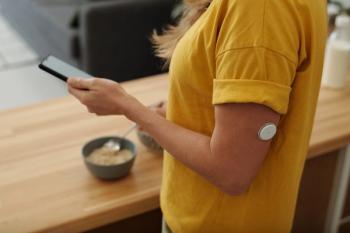
This is where pharmacist impact became tangible to me. Rather than simply recommending insulin, we ensured the patient could start it by arranging prompt delivery of the medication and required supplies. We also pursued continuous glucose monitoring (CGM) once basal insulin was restarted. When I introduced CGM and explained its benefits, his tone shifted. Instead of relying on guesswork, he could begin to see patterns.
The American Diabetes Association’s Standards of Care in Diabetes emphasize matching diabetes technology to the individual and ensuring patients and caregivers have the education and support needed to use it effectively.3 With that in mind, we discussed his support system. He shared that he had a smartphone and would be staying a few weeks with his son, who could help him set up the sensor and troubleshoot any early issues. By the end of the call, we had more than a prescription. We had a plan he could repeat back, tools he could use at home, and a defined follow-up to adjust based on real data.
Tarah Fuller is a 2026 PharmD candidate at the University of Pittsburgh School of Pharmacy in Pennsylvania.
Before this encounter, I thought pharmacist value lived mostly in knowledge that includes selecting the right medication, identifying interactions, and counseling on AEs. Those are critical skills, but they are not the whole story.
Pharmacists often practice in the space where hospital care ends and real life begins. In that space, gaps in care often show up as missing pieces: a medication that was never prescribed, supplies that were never ordered, instructions that were not fully understood, or a patient too overwhelmed to ask the right questions.
That day, I learned that some of the most meaningful clinical work is not glamorous. It means listening to patients long enough to uncover the real barrier, whether that is confusion, cost, access, or fear. It is recognizing that if a plan cannot be put into action, it isn’t really a plan at all.
If chronic disease management feels repetitive or even boring, here is what I wish someone had told me earlier: These encounters can become some of the most rewarding moments in your training, because you can truly change the course of someone’s daily life. There is so much to learn in pharmacy, and at times, the volume of information, guidelines, data, and recommendations can feel overwhelming. But when you see how one conversation can prevent harm, reduce confusion, and give someone a sense of control again, the work becomes anything but routine. It becomes personal. Sometimes, the most important prescription is the one that never made it out of the hospital.
5 months ago
Ten Tips for Navigating Pharmacy School Emails5 months ago
A New Doctor of Pharmacy Pathway