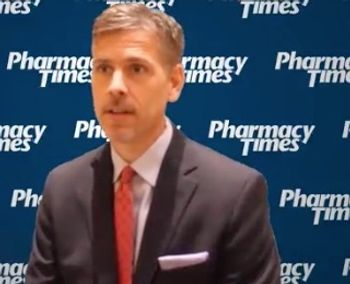
Many pharmacies offer enhanced services today, and these networks aggregate these pharmacies together to better service the communities in which they are located.
Many pharmacies offer enhanced services today, and these networks aggregate these pharmacies together to better service the communities in which they are located.
In the case of DIR fees, which are the top concern of independent community pharmacies, NCPA's comments push for enactment of S. 413 / H.R. 1038.
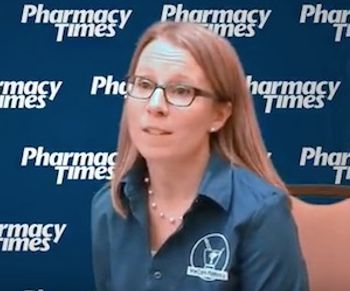
It is important to work collaboratively with veterinarians, particularly in those areas where they may be out of certain medications for their patients.
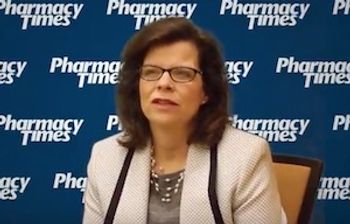
Pharmacists are uniquely suited helping patients figure out the optimal therapies for their diabetes.
The NCPA Foundation underwrites NCPA student chapters to increase student awareness of pharmacy ownership and the entrepreneurial opportunities in pharmacy.
Stress, food, lack of water, and other issues impact the body's physiology, and pharmacists can counsel patients to adjust these issues to live healthier lives.

The NCPA Digest authors noted that independent community pharmacies offer a variety of services.
A graduate of the University of South Carolina, Connelly has been the owner of Medicine Mart Pharmacy since 1982.

The film provides several takeaways for pharmacists, who have taken on an increasingly active role in vaccines, especially in influenza vaccination.
Educating staff is one key step toward implemeting a marketing strategy for a community pharmacy.

It important to prioritize those patients who need interventions, to create a personalized approach to get patients back on track with their recommended medications, and finally, to accommodate the patients' needs for their desired form of communication.
Medication synchronization has several advantages for both the community pharmacist and their patients.
Better taste can mean better adherence to recommended medications.

The National Community Pharmacists Association (NCPA) Annual Convention, scheduled October 14-18 in Orlando, Florida, will provide plenty of opportunities for community pharmacists to delve into a number of informative and educational sessions.
A look into the differences between specialty pharmacies in integrated delivery networks and academic medical centers.
Payers and manufacturers look for specialty pharmacy partners with several key aspects.
Consistency among caregivers can be an important factor for patients undergoing treatment for cancer.
Several drugs are in the pipeline for the treatment of specialty conditions, including cancer and multiple sclerosis.
The fate of the 340B program is unclear amid several proposals to make changes.

Women in Specialty Pharmacy Lunch brings together leaders from various aspects of the specialty landscape.
Payer requirements for outcomes data are becoming more stringent.
Testing and treatment programs should focus on populations driving new cases of hepatitis C virus.
Outcomes and accreditation measures are among the key factors in building a successful specialty pharmacy, according to a session at the annual NASP meeting.
Rebecca Shanahan, NASP president and CEO of Avella Specialty Pharmacy, announced the Distinguished Service Award and the Specialty Pharmacy of the Year Award.

Certified specialty pharmacists have greater opportunities and credibility in the growing market, according to a session at the annual NASP meeting.
Ron Lanton III, Esq, discusses all things biosimilar during a session at the National Association of Specialty Pharmacy (NASP) Annual Meeting and Educational Conference.
Direct and indirect remuneration fees have inflicted harm on specialty pharmacies and the patients they treat.

Alex M. Azar II, JD, discusses problems with the Affordable Care Act and the spread of misinformation surrounding drug costs during a session at the National Association of Specialty Pharmacy Annual Meeting and Educational Conference.

Sen Bill Cassidy, MD, spoke about the need for health care reform and the value of the specialty pharmacy at this year’s National Association of Specialty Pharmacy Annual Meeting and Educational Conference.

In this video from PainWeek 2017, Hal Blatman, MD, medical director of Blatman Health and Wellness Center, discusses the most common misconceptions that patients have about pain.