

Two IDWeek 2026 studies link influenza vaccination to fewer ICU admissions in older adults and fewer emergency visits in children.
Two IDWeek 2026 studies link influenza vaccination to fewer ICU admissions in older adults and fewer emergency visits in children.

Early data suggest the 7 PCV20-added serotypes are causing a smaller share of invasive pneumococcal disease in children younger than 2 years.
Christina O'Connor, PharmD, advises at least 2 g ceftriaxone every 24 hours and considering alternatives to ertapenem in select critically ill patients.

At issue is whether faster clearance of unbound drug shortens free time above the minimum inhibitory concentration, a question with substantial literature and strong opinions on both sides.

Ali Dehghani, DO, highlights that shingles vaccination not only prevents rash but is also associated with lower risks of major cardiovascular events, dementia, and mortality, underscoring pharmacists’ role in patient counseling and preventive care.

Recombinant zoster vaccination against shingles significantly reduced the risk of heart disease and dementia, even after a prior case of shingles.

Investigators determined a series of risk factors that can lead to complicated pneumococcal bacteremia, including older age and key comorbidities.
Post pandemic, invasive pneumococcal disease cases rise among youth due to declining vaccination rates, highlighting urgent public health concerns.

New research reveals significant nonrespiratory complications in hospitalized children with influenza, highlighting the need for improved clinical awareness and antiviral treatment.

The SmartPhrase listed indications for PCV20 aligned with CDC guidelines and was incorporated into provider documentation, significantly improving vaccine uptake.

New research reveals similar severe outcomes for adults hospitalized with hMPV and RSV, emphasizing the need for awareness of both infections.

A series of predictors were associated with a higher likelihood of intensive care unit (ICU) admission and subsequently poor outcomes in patients with Streptococcus pneumoniae bacteremia.

A bidirectional relationship was observed between long COVID and cardiovascular disease in survey results presented at IDWeek.

Knowledge of serotype prevalence and virulence can optimize the management of community-acquired pneumonia.

Adults in the United States are often infected by serotypes of Streptococcus pneumoniae unique to the pneumococcal 21-valent conjugate vaccine (PCV21) compared with those unique to PCV20.
Multiplex respiratory virus testing enhances clinical decision-making for RSV in community hospitals.

CAR-T and BsAb therapies revolutionize multiple myeloma treatment but pose infection risks, necessitating vigilant monitoring and tailored prevention strategies.

Although the incidence of vascular assess-associated infections (VAIs) was low, the incidence caused by noncuffed catheters (NCC) was high.

Research reveals a notable risk of invasive fungal infections in multiple myeloma patients undergoing BCMA-targeted CAR T-cell therapy, highlighting the need for vigilant monitoring.

Influenza significantly impacts agricultural workers in the Americas, highlighting urgent vaccination needs for public health and food security.
Low RSV vaccination rates among older adults in the US highlight missed opportunities for reducing hospitalizations and health care costs.

The 20-valent pneumococcal conjugate vaccine (PCV20) demonstrated higher vaccine effectiveness against invasive pneumococcal disease or all-cause pneumonia in cohorts of older adults.
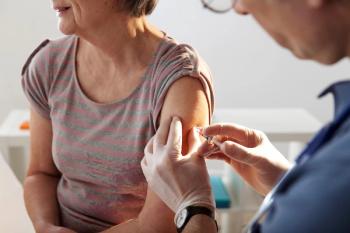
Influenza vaccination provided direct, non–infection-based benefits in older adults.

New research highlights the enhanced humoral response in lymphoma survivors receiving two doses of the PCV20 vaccine, emphasizing vaccination's critical role in infection prevention.

Although long COVID remains a complex disease, pharmacists are critical team members for patient symptom validation, managing polypharmacy, and navigating therapy access.

When administering T-cell–modifying therapies, infections during and after treatment are a serious and pertinent risk.

Infectious disease experts provide the latest updates in RSV, pneumococcal disease, whooping cough, and multidrug-resistant tuberculosis.

Experts outline innovative approaches to reduce inequities in diagnostic access and optimize patient outcomes.

From embedded PrEP care to rapid outbreak response logistics, new models are showing how pharmacists can establish successful public health partnerships to enhance patient access and equity.

Increasing vaccine confidence demands that pharmacists move beyond simply sharing facts to utilizing effective communication strategies.