





The agency has a 2-day meeting scheduled for this week for an independent advisory panel to discuss the available data.
The agency has a 2-day meeting scheduled for this week for an independent advisory panel to discuss the available data.

New study results show that previously infected patients had molecular markers that suggested that immune cells could last longer and migrate more effectively to the respiratory tract.

The Pharmacy Times® Pharmacy Focus podcast provides the latest industry news and information, thought-leader insights, clinical updates, patient counseling tools, and innovative solutions for the everyday practice and business of pharmacy.

Anna Legreid-Dopp, PharmD, Senior Director of Clinical Guidelines and Quality Improvement at the American Society of Health-System Pharmacists discusses Pfizer’s request to approve their COVID-19 vaccine for children 5 to 11.

A town hall meeting with representatives from the agencies emphasized the effectiveness and likelihood of getting a third dose of the vaccine.

Respiratory infections can become a problem in muscular dystrophy, therefore immunizations for pneumonia and influenza are vital.

Pharmacists working in the community setting are practicing public health pharmacy practice on a daily basis, but probably just didn’t have a name for it.

With the Delta variant, there was an increase in coronavirus-related hospitalizations by more than one-third among these individuals.

Laura Lee Hall, PhD, president of the Center for Sustainable Health Care Quality and Equity (SHC), discusses the SHC’s recently released Flu DRIVE Toolkit, which was designed to help overburdened health systems improve flu vaccination rates among vulnerable populations.
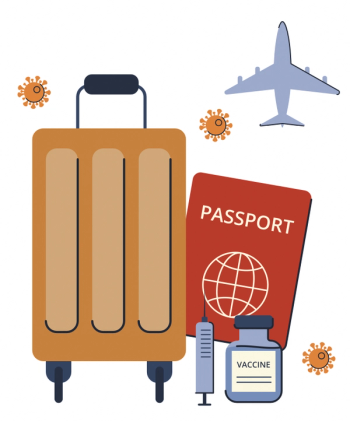
Pharmacists can assess patients' needs, evaluate what is required for specific destinations, and provide relevant resources.

Survey results from Kantar show that people rate these factors more important than an active family life and financial security in terms of well-being.

These patients had comparable levels of antibodies to individuals without the disease after a 2-dose course of the vaccination.

Stanford research results show that of nearly 39,000 individuals, just 22 had potential allergic reactions, and all recovered.

The results of a review by Murdoch Children’s Research Institute finds that pediatric patients who are vaccinated get protection from the long-term effects of the disease.

Investigators at the IMT School for Advanced Studies say that future rollouts should focus on workers, which would help avoid another lockdown.

Funded by a grant from the National Institutes of Health, this trial is intended to test the safety and efficacy of a vaccine designed to selectively prevent the euphoric and toxic effects of oxycodone.
Investigators said that NanoSTING, can be shipped and stored without the need for freezing for up to 11 months.

Aaron Clark, DO, medical director of value based care at Ohio State University and clinical associate professor of family medicine, discusses vaccine hesitancy and racial disparities around flu vaccinations.

Study results show that individuals who are unvaccinated are 5 to 7 times more likely to seek medical care because of the predominant strain of the coronavirus.
Although most Americans live close to a pharmacy, vaccination rates remain suboptimal.
The Pharmacy Times® Pharmacy Focus podcast provides the latest industry news and information, thought-leader insights, clinical updates, patient counseling tools, and innovative solutions for the everyday practice and business of pharmacy.

With COVID-19 vaccination clinics still operating and booster doses on the horizon, there continues to be a need for pharmacy technicians as immunizers well into the future.
Results of a new study show that the vaccines seldomly reach the area that were heavily affected by the pandemic, because of ethnic, racial, and socioeconomic disparities.

Parents are encouraged to either get all immunizations in one health care facility or have a card that documents all the immunizations the child has received.
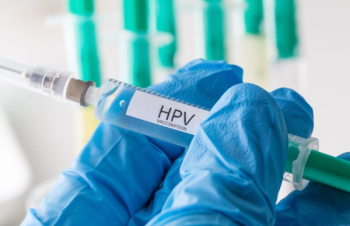
The results of a new study show that immunizations may help prevent malignancies in individuals aged 36 to 45 years.