






































































































These data suggest the potential efficacy of immune checkpoint inhibitors with anthracycline-based chemotherapy.
These data suggest the potential efficacy of immune checkpoint inhibitors with anthracycline-based chemotherapy.

The FDA is modernizing its approach to drug development and optimization.

A panel of experts discuss treatment of HR+, HER2– breast cancer with therapies such as ribociclib, alpelisib, everolimus, and elacestrant.

KN026 is a humanized bispecific antibody that targets and binds to HER2 proteins on the surface of cancer cells.
Palbociclib is an oral CDK4/6 inhibitor that was approved by the FDA in 2017.

Compared with chemotherapy, Dato-DXd demonstrates favorable median progression-free survival and overall survival in a phase 3 clinical trial.
The approach favors administration of frequent low-dose chemotherapy to reduce toxicities and optimize outcomes.
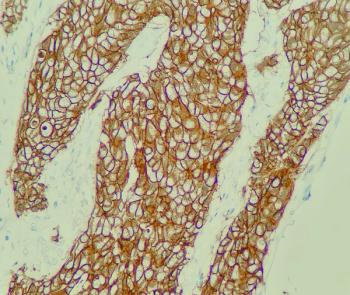
A new indication for the antibody-drug conjugate expands the future clinical potential of the treatment in patients with the rare breast cancer.

Palbociclib demonstrates safety and efficacy in combination with anti-HER2 and endocrine therapies.
Patients with hormone receptor–positive and human epidermal growth factor receptor 2 breast cancer are particularly at risk.

Emerging research in triple-negative breast cancer highlights the promise of molecular-based approaches to improve treatment outcomes.

Adding anthracyclines to chemotherapy may improve survival in high-risk breast cancer patients.

Combining CDK4/6 and PDL-1 inhibitors enhances treatment responses in patients with hormone receptor positive and triple-negative breast cancer.
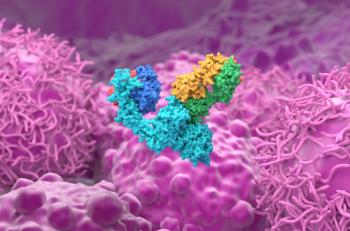
Trastuzumab deruxtecan and trastuzumab emtansine address key challenges such as recurrence and metastases in HER2+ early breast cancer treatment.

Virginia Kaklamani, MD, DSc, shares the role of ESR1 mutation testing and combination strategies to optimize endocrine therapy in patients with metastatic HR+/HER2- breast cancer.

Experts discuss advancements in hormone receptor–positive/HER2-negative breast cancer treatment while addressing safety, diversity, and fertility challenges.
Peer Reviewed
The tumor-agnostic FDA approval of T-DXd for HER2-positive unresectable or metastatic solid malignancies exemplifies the importance of understanding the risks associated with targeted therapy and the need for proactive monitoring strategies.

Targeted therapies, CDK4/6 inhibitors, and precision medicine are improving outcomes for patients with high-risk and metastatic disease.

NCCN recommends ribociclib as a preferred CDK4/6 inhibitor adjuvant therapy for patients with HR+/HER2- EBC in combination with an aromatase inhibitor.

Multiple P13K inhibitors have showed promise in treating genetically-mutated forms of breast cancer.

The KEYNOTE-756 and CheckMate 7FL trials show this combination improves pathological complete response rates in this patient population.

The FDA also approved the FoundationOne Liquid CDx assay as a companion diagnostic device to identify patients who would benefit from the treatment.

The designation was based on results from the DESTINY-Breast06 trial, evaluating fam-trastuzumab deruxtecan-nxki (Enhertu; AstraZeneca, Daiichi Sankyo) compared with chemotherapy.

Pharmacists play a crucial role in supporting patients with HR+/HER2– breast cancer.

AC699 is being evaluated for patients with estrogen receptor-positive (ER+), human epidermal growth factor receptor 2 negative (HER2–), estrogen receptor 1-mutated advanced or metastatic breast cancer with disease progression on or after at least 1 line of endocrine-based therapy.