

























































































The new formulation of twice-a-day deferiprone 1000 mg oral tablets eliminates the mid-day dose, and provides patients with the ability to reduce serum ferritin levels, and cardiac and liver iron.
The new formulation of twice-a-day deferiprone 1000 mg oral tablets eliminates the mid-day dose, and provides patients with the ability to reduce serum ferritin levels, and cardiac and liver iron.

The placement of clinical pharmacists at the nexus of functional pharmacogenomics and in specialty pharmacy care makes good sense.
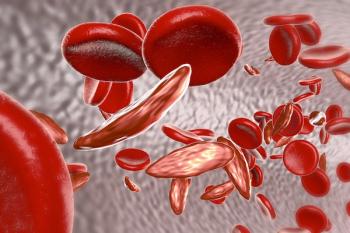
Options include Adakveo, Endari (L-glutamine oral powder), hydroxyurea (Droxia, Hydrea, Siklos), Oxbryta (voxelotor), as well as OTC medications, such as aspirin and ibuprofen.
The drug is co-formulated with recombinant human hyaluronidase PH20 and will be available as soon as the week of May 11.

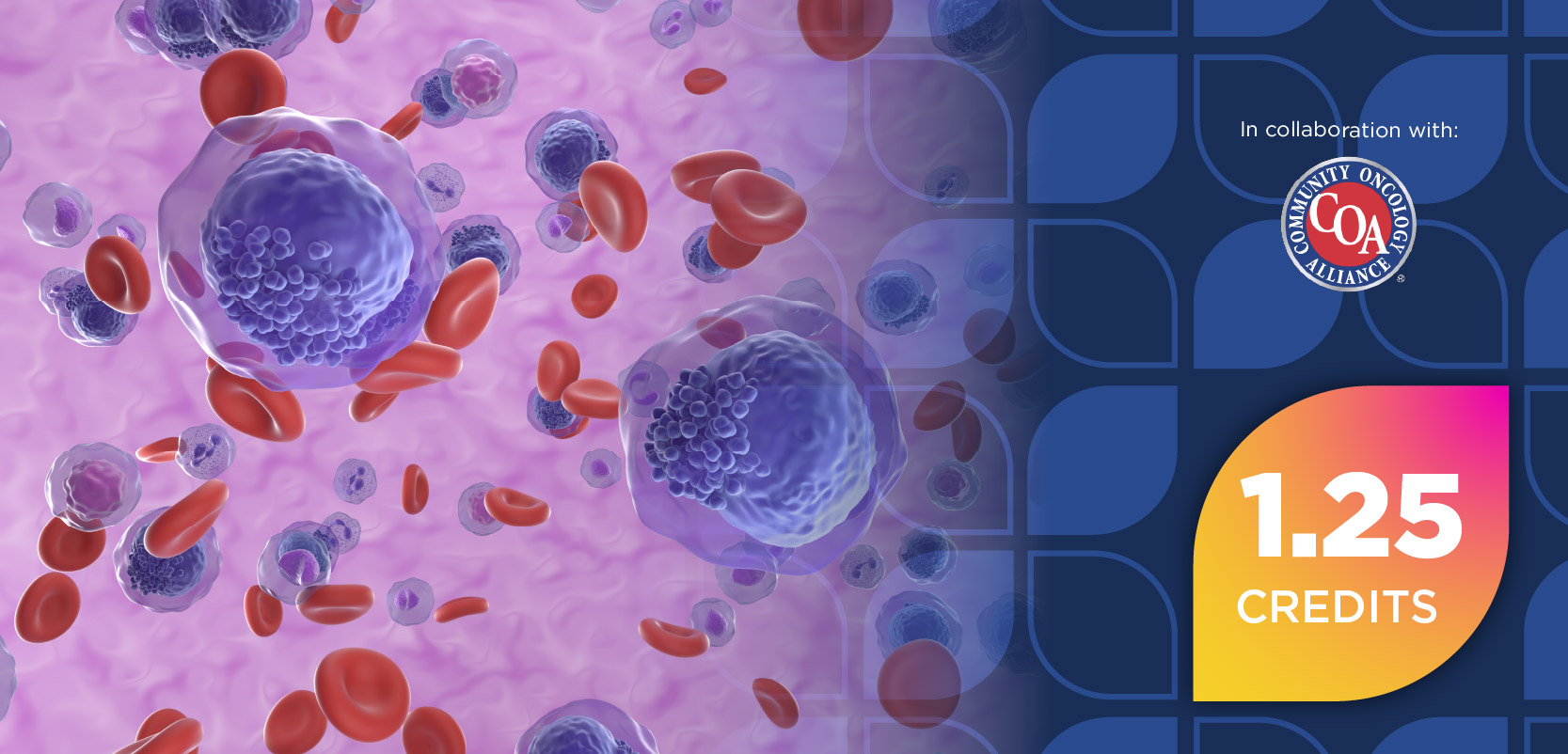
A webinar featuring experts in the treatment of acute myeloid leukemia discussing treatment of the disease and its clinical features.

In a Pharmacy Times®Practice Pearls video series, experts discussed best practices in the management of AML.

Interferons are being investigated as a possible treatment for COVID-19, but their effects are not yet clear.

The new expanded approval was based on positive results from the phase 3 E1912 study.

A new study revealed that researchers have found a genetic test that could help doctors determine which patients with multiple myeloma are at “ultra high risk” of their cancer progressing aggressively in its early stages.

Additionally, this treatment gradually reduced the need for prophylactic FVII use, suggesting an effective control of bleeding that leads to a sustained clinical benefit in patients who received the highest doses of AAV5-hFVIII-SQ.
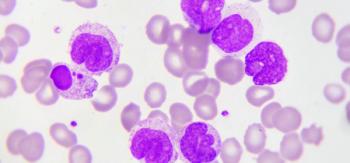
Importantly, when considering the useof small molecule inhibitors, potential drug interactions must be evaluated.
Additionally, blood group O has a significantly lower risk for the infection compared with non-O blood groups, according to the researchers.

A case study of a patient in Wuhan, China suggests that the immunosuppressant tocilizumab may be an effective coronavirus disease 2019 treatment for patients with multiple myeloma and other blood cancers.

MDS are a group of closely related blood cancers characterized by ineffective production of healthy red blood cells, white blood cells, and platelets, which can lead to anemia and frequent or severe infections.
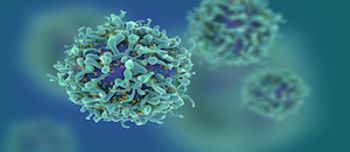
Further, these natural killer (NK) cells appear to be more effective the earlier they are in development, creating the possibility of an immunotherapy that would not use cells from a patient or a matched donor.

The phase 3 trial showed a statistically significant improvement in overall survival (OS) and composite complete remission rate.

A bipartisan coalition in Congress has introduced new legislation designed to ensure Medicare patients have access to Part B home infusion medications.
Treatment with cord blood-derived chimeric antigen receptor natural killer-cell therapy targeting CD19 resulted in clinical responses in relapsed or refractory non-Hodgkin’s lymphoma and chronic lymphocytic leukemia.

A study offers evidence that chimeric antigen receptor T-cell therapy may not only extend patients’ survival, but also improve their quality of life after treatment.

The drug also received orphan drug designation.

Many people are unaware that acute myeloid leukemia (AML) is the leading cause of acute leukemia in adults.

Two recently approved leukemia drugs could be enlisted against treatment-resistant lung cancer.
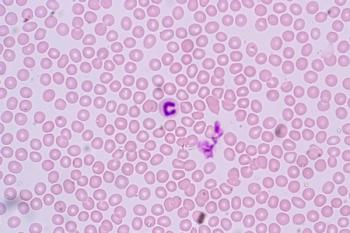
CAR NK cells are allogenic, which is defined as taking the cells from a non-related healthy donor rather than the patient themselves. Therefore, CAR NK cells have the potential to be manufactured in advance and stored for off-the-shelf immediate use.

Research may help to develop usable hematopoietic stem cells that could regrow a patient with leukemia’s blood system after chemotherapy and irradiation.

Valoctocogene roxaparvovec (Valrox, BioMarin Pharmaceutical Inc) would be the first gene therapy in the United States for the most common form of hemophilia if approved by the FDA.1