


















































































Antioxidants can be used to improve certain health conditions.

Antioxidants can be used to improve certain health conditions.

Top news of the day from across the health care landscape.
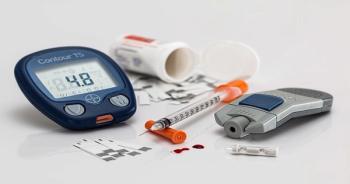
They cover considerations for planning and executing strategies for patients and coordinating MTM with local pharmacies.

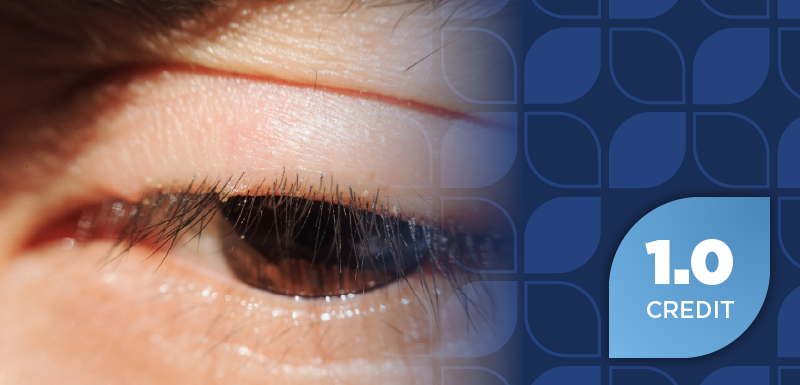
A study, which tested naturally occurring homoisoflavonoids found in the Hyacinthaceae plant family and their synthetic derivatives, focused on the abnormal growth of new blood vessel cells in the eye that are linked to types of blindness.

This weekly video program provides our readers with an in-depth review of the latest news, product approvals, FDA rulings, and more. Our Week in Review is a can't miss for the busy pharmacy professional.

This weekly video program provides our readers with an in-depth review of the latest news, product approvals, FDA rulings, and more. Our Week in Review is a can't miss for the busy pharmacy professional.

The expansion of the Valyou Savings Program helps to address the challenge many patients face regarding unpredictable and unaffordable pricing for their insulin, according to the company.
Top news of the day from across the health care landscape.
Top news of the day from across the health care landscape.
The hearing will take place May 13, 2019 at the agency’s headquarters in Silver Spring, Maryland.

If approved, Gimoti would be the first non-oral drug treatment for symptoms associated with acute and recurrent diabetic gastroparesis in adult women and would represent the first significant advancement in the treatment of gastroparesis in 40 years.

Of the 81 metrics included in the Healthiest Communities analysis, diabetes prevalence and smoking rate have the strongest correlation to life expectancy.

Although generic versions of prescription medications can be a cheaper alternative for patients, many perceive generics as less effective and less safe than their brand-name counterparts.
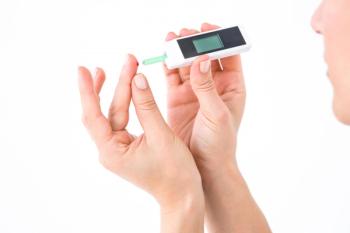
Pharmacists can offer important counseling points on the appropriate use of the devices to monitor blood glucose levels at home.
Pharmacists can offer important counseling points on the appropriate use of the devices to monitor blood glucose levels at home.

Hello and welcome to the Pharmacy Times News Network. I’m Nicole Grassano your host for our Pharmacy Week in Review.

This weekly video program provides our readers with an in-depth review of the latest news, product approvals, FDA rulings, and more.
Semaglutide offers a non-insulin solution that, in combination with healthy diet and exercise, may improve blood sugar.

How voice assistants are becoming more important in health care.

The 2017 Health Care Cost and Utilization Report examined medical and prescription drug spending, utilization, and average prices using health care claims data from 2013 through 2017 for Americans under the age of 65 who were covered by employer-sponsored insurance.
This medication, indicated for individuals with diabetes, will have a list price that is 50% lower than its current list price.
Top news of the day from across the health care landscape.

Novo Nordisk is seeking approval for fast-acting insulin aspart (Fiasp) as a new mealtime insulin for children and adolescents with type 1 diabetes.
Top news of the day from across the health care landscape.
The new mobile app gives those with type 2 diabetes accurate insulin doses with an 'on-the-go' convenience.