
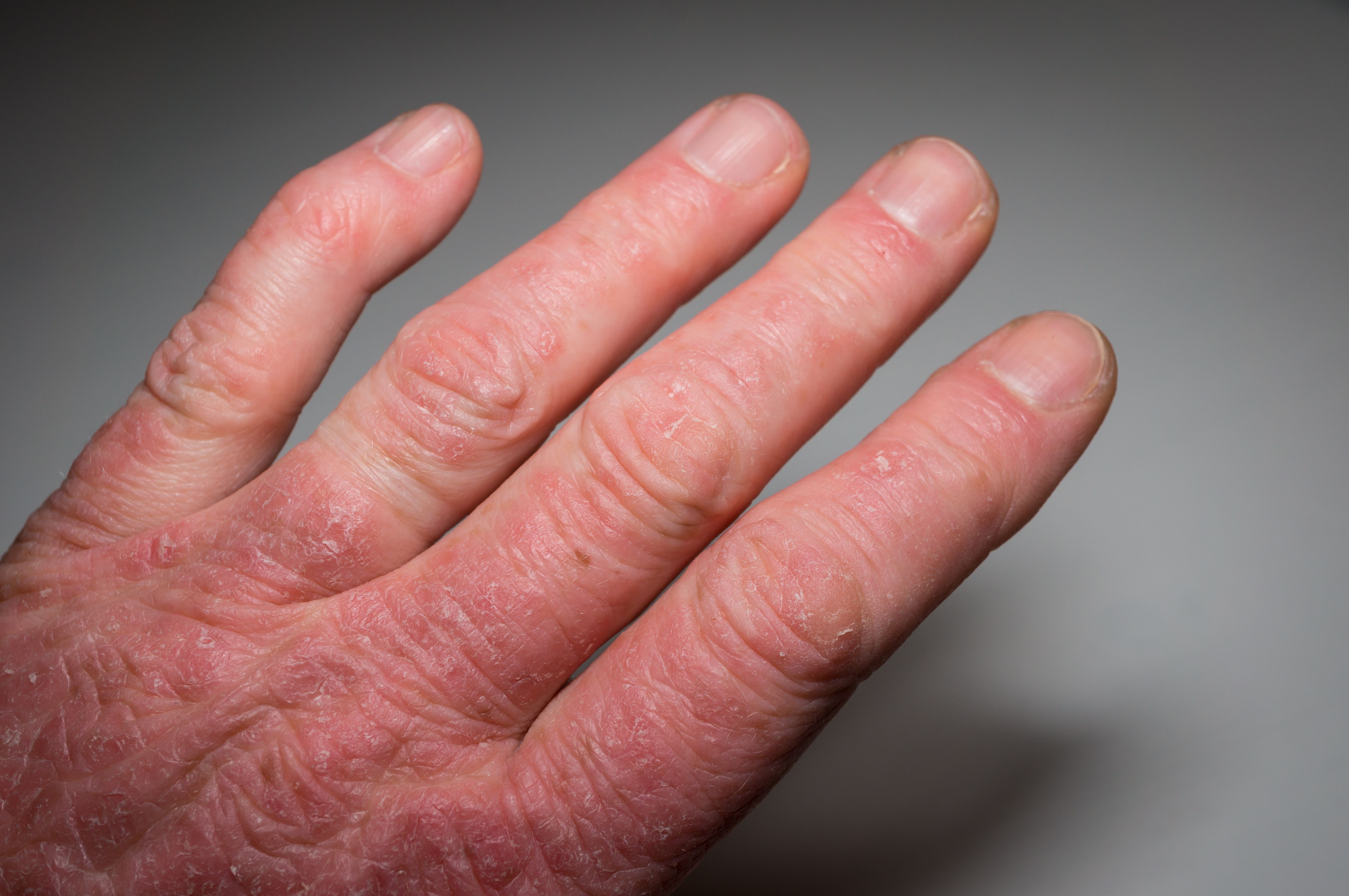
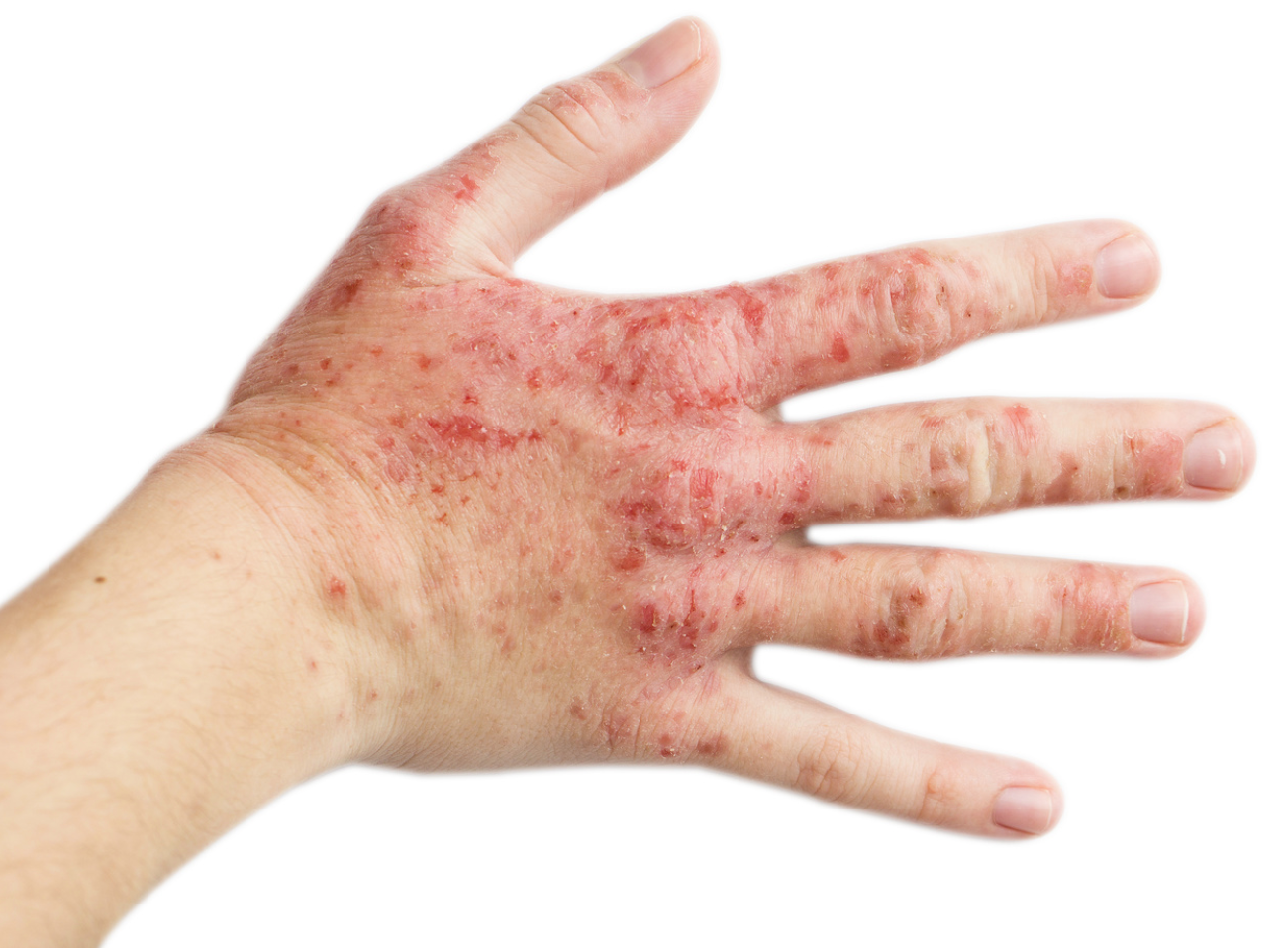
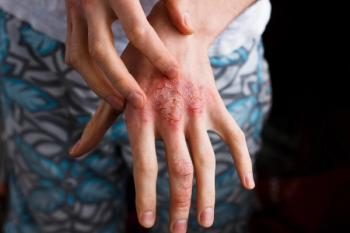
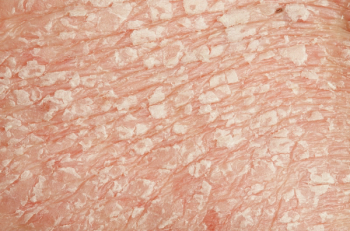
Psoriasis is a common, long-term chronic disease with no cure that goes through cycles, flaring for a few weeks or months, then going into remission.
Psoriasis is a common, long-term chronic disease with no cure that goes through cycles, flaring for a few weeks or months, then going into remission.
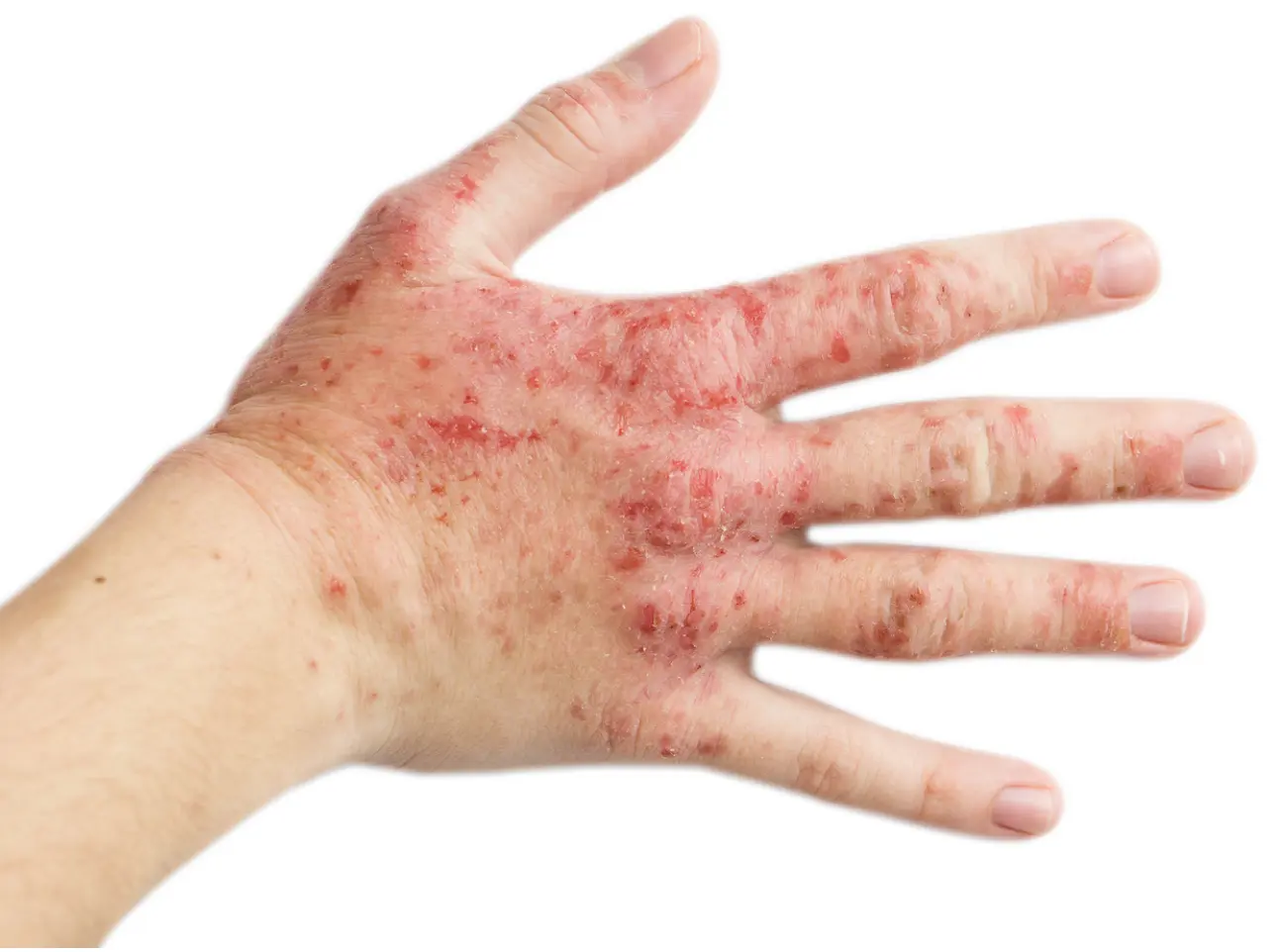
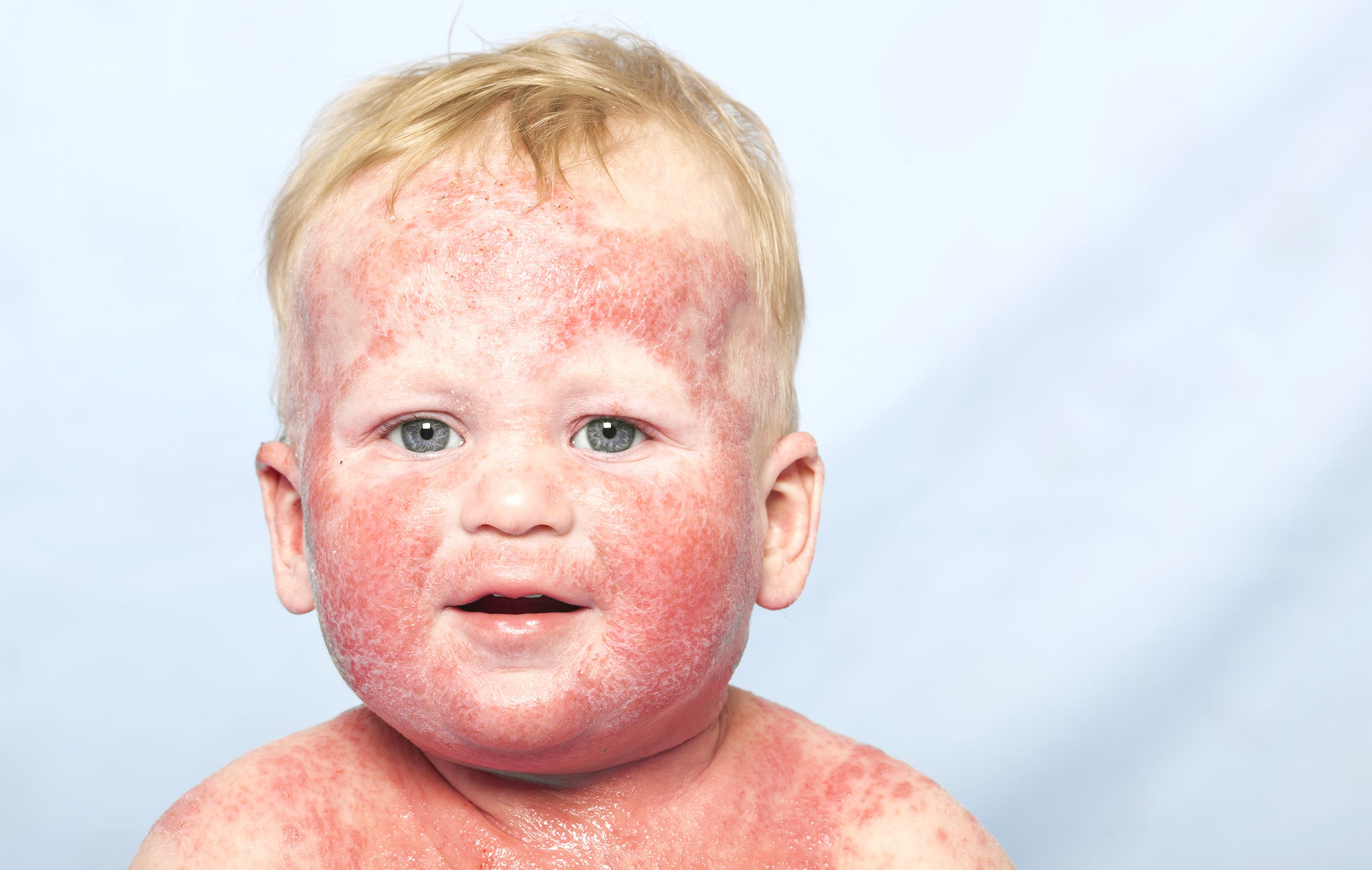
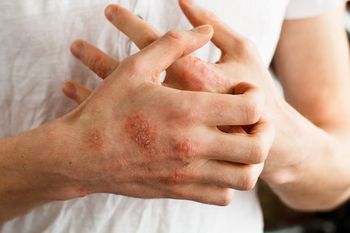
Atopic dermatitis treatments include creams for itching, calcineurin inhibitors such as Protopic and Elidel, as well as biologics such as Dupixent.

The investigators concluded that a definite statement on risk or management recommendations cannot be made based on currently published data.
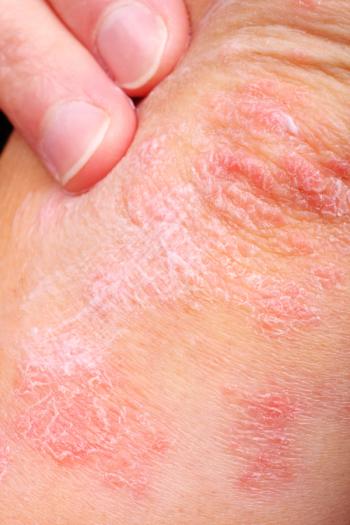
It is now the only 4-dose-a-year biologic for psoriasis with options to administer via a single-dose pen or prefilled syringe, the company said.
Trial is the first to suggest that targeting interleukin-4 and interleukin-13 can help address symptoms such as persistent itching and hives.
In the study, ritlecitinib 50 mg and 30 mg achieved the primary efficacy endpoint, specifically the proportion of patients with less than or equal to 20% scalp hair loss after 6 months of treatment versus placebo.
How would you respond to these patients' concerns?
Consider key elements of acute bacterial skin and skin structure infection to help patients manage this broad range of diseases.

Patients may consult with their pharmacist regarding appropriate protection methods and treatment options available for common summer skin ailments.
The fully human monoclonal antibody is currently approved in more than 60 countries.

A 300 mg dose is currently available with a prescription.

Dupilumab is a fully human monoclonal antibody that inhibits the signaling of the interleukin-4 (IL-4) and interleukin-13 (IL-13) proteins.
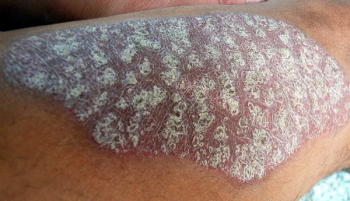
Risankizumab-rzaa (Skyrizi, AbbVie) is approved for the treatment of moderate-to-severe plaque psoriasis among adults who are candidates for systemic therapy or phototherapy.
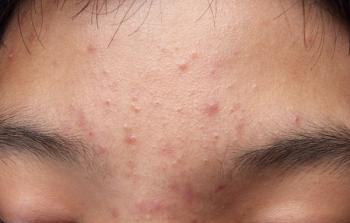
Research has shown that female adolescents and adolescents with darker skin are disproportionately affected by acne's psychological impacts.
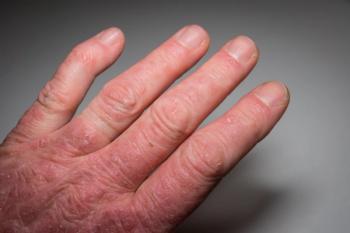
Guselkumab also showed promising results in the treatment of psoriatic arthritis, with improved disease activity in joints and across multiple domains through 1 year.
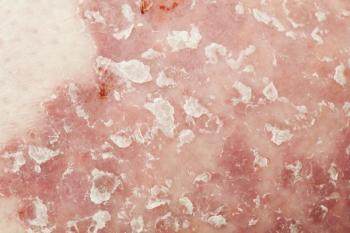
This is the first approval for secukinumab in a pediatric population in the United States for severe plaque psoriasis.

Both health care providers and the general public said skin dryness is a major obstacle for consistent hand hygiene practices.

The study authors said that treating the condition has been difficult until now due to a lack of FDA-approved therapies.
Study participants who fasted 2 days per week reported fewer scaling and thickening, with 30% also reporting a decrease in itching associated with psoriasis.

Although therapeutics and vaccines for COVID-19 have dominated the news in the last year, development of other drugs has continued.

The POETYK PSO-1 and POETYK PSO-2 trials, which evaluated deucravacitinib 6 mg once daily, met both co-primary endpoints versus placebo, with significantly more patients achieving Psoriasis Area and Severity Index (PASI) 75 response and a static Physician's Global Assessment score of clear or almost clear (sPGA 0/1) after 16 weeks of treatment with deucravacitinib.

Some drugs commonly used for psoriasis can increase the risk of cardiovascular diseases, whereas other treatments can reduce the risk.

With a 1-hour infusion and lower infusion volume, oritavancin could minimize health system costs to treat these infections and improve efficiency in clinical practice.
Guselkumab is a monoclonal antibody that selectively binds to the p19 subunit of IL-23 and inhibits its interaction with the IL-23.