



C. difficile
Latest News


Study: Interprofessional Collaboration Reduces Incidence of Hospital-Onset C. Difficile
Advertisement
Latest Videos






Advertisement
More News

An engineered live biotherapeutic product may help limit antibiotic resistance versus pathogens such as Clostridioides difficile.
CDI is the leading cause of diarrhea in hospitalized patients.

Study results show at a molecular level how fidaxomicin selectively targets these bacteria, while sparing others in the gut microbiome.

A multidisciplinary team of nurse practitioners and pharmacists can work together to address patients at an increased risk for hospital readmission.
RBX2660, a standardized, stabilized, novel microbiota-based live therapeutic, shows promise treating patients with recurrent Clostridium difficile infection.
A chainmail-like, flexible outer layer on Clostridium difficile may explain its success at defending itself against antibiotics.
Aerosolized hydrogen peroxide system added to current hospital infection prevention protocols found to significantly reduce cases of Clostridioides difficile infection.

Finch was still able to continue dosing patients in its past-ongoing PRISM-EXT phase 2 open-label trial of CP101 in recurrent CDI, because the CP101 lots used for PRISM-EXT were manufactured from material donated prior to December 1, 2019.
Novel C. difficile infection (CDI) vaccine shows promise lowering the severity of CDI and in preventing medically attended CDI.

Links of chain mail are arranged in the bacteria to form a pattern that prevents molecules from entering the cell.
Hospital-onset clostridium difficile infections frequently occur because of both patient and environmental risk factors.

The drug pipeline is insufficient to meet the threat of antimicrobial resistance, and policy reforms are critically needed, according to the Biotechnology Innovation Organization.
Fecal microbiota transplantation produces cure rates of 82%-88% in patients with recurrent clostridium difficile infections.
Lower use of antimicrobials for clostridium difficile infection associated with a shorter length of stay in hospitals.

A machine-learning method called XGBoost provided the highest overall accuracy, despite being the least complex model.

Finding alternative means to promote interleukin 25 could enhance the benefits of fecal transplants in patients with recurrent C. difficile infections.
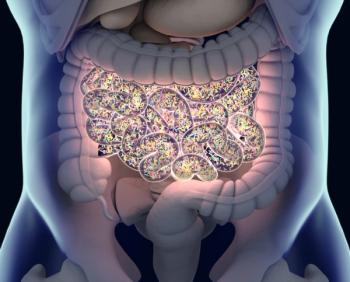
The Microbiome Health Index for post-Antibiotic dysbiosis was developed to improve the understanding of and manage the risks associated with antibiotic administration.
Pharmacists play an important role in educating patients and other health care practitioners on the signs and symptoms of C. difficile infection.

The panel considers optimal therapy for recurrent CDI, particularly the role of fecal microbiota transplantation.
Advertisement
Advertisement
Trending on Pharmacy Times
1
mRNA vs Protein-Based COVID-19 Vaccines: What Pharmacists Can Tell Patients
2
FDA Reportedly Shelves Commissioner's National Priority Voucher Program
3
Inside the OCEANIC-STROKE Trial and What Asundexian Means for the Future of Stroke Prevention
4
Asundexian Receives FDA Approval, Becomes First FXIa Inhibitor for Secondary Stroke Risk Reduction
5