



























































































A new medication for certain rare blood cancers has now become available through a limited distribution with AllianceRx Walgreens Prime.
A new medication for certain rare blood cancers has now become available through a limited distribution with AllianceRx Walgreens Prime.

Targeted radiotherapy amounted to fewer deaths over a 5-year follow-up period among patients with breast cancer.

Researchers have found that gene expression associated with aging was higher in young cancer survivors who are frail and in young patients with cancer following their treatment with chemotherapy.

In addition to clinical procedures, some support groups for patients with breast cancer were also canceled as a result of the COVID-19 pandemic.

Most women with breast cancer receive treatment post surgery, such as chemotherapy, hormone therapy, and radiation. Targeted therapy is useful against cancers that have spread to distant parts of the body.
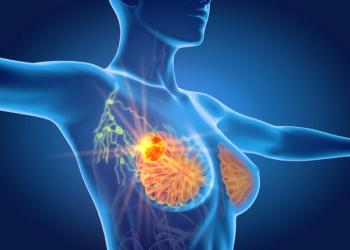
An online survey found that 44% of breast cancer survivors had care delayed during the COVID-19 pandemic.
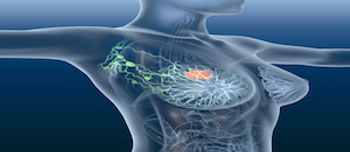
The new analysis of the 23-year follow-up results of the trial found that screening women between 40 and 49 years of age led to a substantial and significant 25% reduction in breast cancer mortality in the first 10 years.

Because triple-negative breast cancer does not express receptors involved in most breast cancers, the investigative therapy could offer a much-needed option.
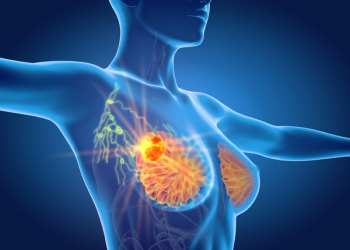
Four new subtypes of cells within triple-negative breast cancer have been uncovered, containing promising new therapeutic targets for the disease.

In the United States, these findings would translate to more than 269,000 prevented breast cancer cases and nearly 44,000 prevented cases of ovarian cancer.

Both premenopausal and postmenopausal breast cancer rates are rising globally.

Earlier results of the FAST trial, which was launched in 2004, found that reducing the number of radiotherapy fractions to 5 was feasible and safe in the short term.

The selection of an agent for hyperglycemia management requires knowledge of both the efficacy and the potential adverse effects of each possible agent, so choosing the best therapy for any given patient can be complicated.
In addition to its potential uses in cancer treatment, this novel drug delivery system could be used with magnetic resonance imaging or fluorescence imaging.
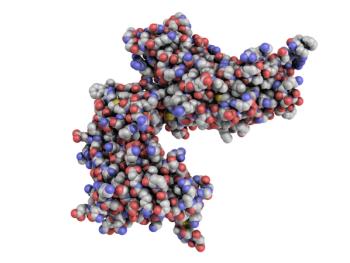
The presence of ctDNA and CTCs in the plasma of the blood of women who have undergone chemotherapy prior to surgery for the treatment of triple-negative breast cancer (TNBC) are critical indicators in the prediction of disease recurrence and disease-free survival.

Since 2015, there has been an increase in the number of specialty pharmacies in the United States due to their potential of handling the complexities of cost and appropriate drug access and administration.

Early and frequent screenings for childhood cancer survivors could cut breast cancer mortality by well over half.

A potential correlation between processed food and breast cancer has been discovered.
According to the FDA, patients should be selected based on an FDA-approved companion diagnostic test.

One in 8 women will develop breast cancer within their lifetime, making it the most commonly diagnosed cancer among women.

Women diagnosed with breast cancer while breastfeeding may receive treatments that decrease milk production or are contraindicated.

Researchers found that replacing 30 minutes of inactivity with exercise significantly reduces the risk of cancer-related death.

The intent of the study was to bring awareness to the medical and nonmedical financial hardships of cancer and how they can impact the use of preventive services, since there is little research available to evaluate this topic, according to the study authors.

Facing MBC Together is intended to recognize the prevalence and impact of isolation on the lives of individuals with metastatic breast cancer.

The updated guidelines include increased recommended physical activity levels and a growing emphasis on holistic rather than nutrient-based dietary habits.