

Compared with placebo, patients with cholestatic pruritus and primary biliary cholangitis (PBC) receiving linerixibat experienced improved itch and sleep interference.
Compared with placebo, patients with cholestatic pruritus and primary biliary cholangitis (PBC) receiving linerixibat experienced improved itch and sleep interference.

The authors believe the results may serve as a foundation for hepatitis D virus (HDV) testing among hepatitis B virus surface antigen (HBsAg)-positive specimens.

The Lumipulse G pTau217/ß-Amyloid 1-42 Plasma Ratio is the first in vitro diagnostic device that tests blood to aid in diagnosing Alzheimer disease.

The new guidelines urge health care professionals to offer local anesthetics and other medications for intrauterine device (IUD) insertions and other gynecologic procedures.

Specialty pharmacists enhance CKD management through personalized care, medication adherence strategies, and collaboration with health care providers.

New trial results reveal icotrokinra's effectiveness in achieving significant skin clearance for challenging scalp and genital psoriasis.

Effectively communicating research findings to patients, health care professionals, and policy payers is necessary for engagement.
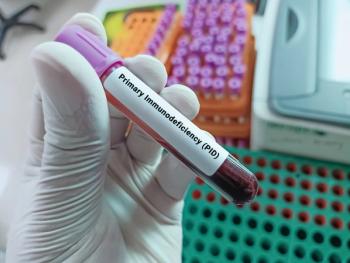
Despite being an effective treatment option, intravenous immunoglobulin (IVIG) can cause transient adverse events in pediatrics with primary immunodeficiency, including headache and fever.

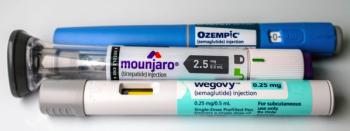
Pharmacists are positioned to significantly impact weight management by offering accessible expertise in medication, lifestyle guidance, and long-term support for healthier choices.

A pharmacist champion enhances access to resmetirom for treating MASH, demonstrating the importance of coordinated specialty care in medication approval.

Specialty pharmacy experts and key opinion leaders gathered at Asembia’s AXS25 Summit and discussed critical insights in interviews with Pharmacy Times®.

Necrotizing enterocolitis (NEC) is a life-threatening illness that is characterized by the inflammation of the intestinal lining, which can lead to intestinal perforation.

Specialty pharmacy experts discuss how emotional support, addressing patient loneliness, and peer-to-patient programs can significantly improve medication adherence and patient care.

About 62.9% of patients with metabolic dysfunction–associated steatohepatitis (MASH) receiving semaglutide experienced resolution of steatohepatitis without worsening of fibrosis.

Cardinal Health is investing in cold chain logistics and packaging solutions to expedite the delivery of novel therapies from FDA approval to patient access.

New trials reveal xanomeline and trospium effectively alleviate schizophrenia symptoms, offering a novel treatment option with minimal adverse effects.

In chronic hepatitis B (CHB) mouse models, the ferritin nanoparticle-preS1 (ferritin-NP-preS1) with small interfering RNA (siRNA) showed 100% and sustained serum HBsAg over an approximate 11-month period.

New trial results highlight intravenous immunoglobulin (IVIG) 10% as an effective rescue treatment for relapsing chronic inflammatory demyelinating polyradiculoneuropathy (CIDP), enhancing patient care and pharmacist involvement in management.

Paula E. Voinescu, PhD, MD, emphasized the need for additional research in this area, noting it is both “surprising and upsetting.”

The condition, which is common in patients with chronic kidney disease (CKD), is characterized by skin lesions and currently has no curative treatment.

In the treatment of metabolic dysfunction-associated steatohepatitis (MASH), engineered extracellular vesicles helped mitigate disease progression and did not compromise bone density.

Specialty pharmacies must develop comprehensive health equity programs that address diverse patient needs.

Cimerli offers a promising biosimilar treatment for age-related macular degeneration, enhancing vision preservation with its effective VEGF inhibition.

A panel of health care experts at Asembia’s AXS25 Summit discussed the critical need for improved patient education and resources to help navigate complex financial assistance programs and health care plans.

The Inflation Reduction Act of 2022 (IRA) drug negotiation provisions will fundamentally reshape Medicare drug pricing, provider reimbursement, and health care delivery dynamics across Part B and commercial markets, according to panelists at Asembia’s AXS25 Summit.
Specialty pharmacies can leverage advanced analytics, AI, and comprehensive data insights to create targeted clinical programs.