

When applied as a filler for soft tissue defects and voids, the regenerative tissue filler shows promise for accelerating and improving tissue restoration outcomes.
When applied as a filler for soft tissue defects and voids, the regenerative tissue filler shows promise for accelerating and improving tissue restoration outcomes.

The VENTANA ALK CDx assay is a companion diagnostic to identify patients with ALK-positive non–small cell lung cancer who are eligible to receive treatment with lorlatinib.

Researchers find no clear therapeutic benefit of intravenous immunoglobulin for the prevention of postnatal relapses of multiple sclerosis.
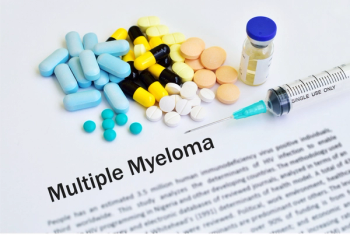
Teclistamab showed promising clinical activity and a tolerable safety profile in patients with relapsed/refractory multiple myeloma.

Researchers at Columbia and MIT have created a new technique that can uncover nearly all of the behaviors that cancer cells use to evade immunotherapies, which could lead to the development of more effective treatments.

In a recent interview with Pharmacy Times, Lee Greenberger, PhD, chief scientific officer of the Leukemia and Lymphoma Society, said the development of chimeric antigen receptor (CAR) T-cell therapies is a major step for the treatment of some cancers.

Women who attended the 2 more recent screenings prior to their breast cancer diagnosis had a 50% lower incidence of their cancer being fatal within 10 years.

Study findings demonstrate the importance of interventions for multiple sclerosis therapy, such as those supporting medication adherence, adverse effect management, symptom management, and additional counseling.
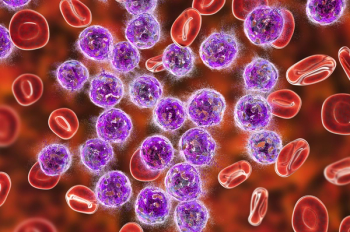
The FDA has approved axicabtagene ciloleucel (Yescarta) for the treatment of adult patients with relapsed or refractory follicular lymphoma following 2 or more lines of systemic therapy.

New protein-based immunotherapies could stimulate patients’ immune systems without needing to engineer T cells on an individual basis.

Investigators are set to begin testing sulfasalazine and auronofin, which are FDA-approved to treat rheumatoid arthritis, in cancer cell models.

The FDA has approved a supplemental new drug application for lorlatinib (Lorbrena) to expand the indication to include the frontline treatment of patients with ALK-positive non–small cell lung cancer.

The availability of both intravenous and subcutaneous routes of immunoglobulin has made personalization of treatment more important than ever.

Among the health care professionals staking their ground on social media are a growing list of pharmacists and pharmacy students.

Although there have been many challenges and concerns during the pandemic, experts said there are also lessons to be learned and implemented once the pandemic is over.

A supplemental new drug application has been submitted to the FDA for ivosidenib tablets (Tibsovo) as a potential therapeutic option for patients with previously treated, IDH1-mutated cholangiocarcinoma.
The FDA has approved melphalan flufenamide (Pepaxto; melflufen) for use in combination with dexamethasone to treat adult patients with relapsed or refractory multiple myeloma.

As immunotherapies continue to show promise in more effectively combating several tumor types, many current strategies focus on ensuring the efficient delivery of active cytotoxic cells directly to tumors.

Pharmacy Times® interviewed David Silverstein, JD, MS, a partner in Axinn’s Intellectual Property and FDA practice groups, on what may be coming to market in the rapidly growing cell therapy space, and the role pharmacists may play in this emerging landscape.

The FDA has granted a breakthrough therapy designation to tipifarnib for use in patients with recurrent or metastatic HRAS-mutated head and neck squamous cell carcinoma.

A more sensitive test capable of detecting heart function issues early in cancer treatment may be beneficial in preventing heart failure.

The FDA has approved the PD-L1 IHC 22C3 pharmDx assay, developed by Agilent Technologies Inc, for expanded use in patients with non–small cell lung cancer.

Pharmacy Times® interviewed J. David Robertson, PhD, director of University of Missouri Research Reactor, on a new collaboration with Advanced Accelerator Applications International to develop a targeted therapy for certain types of cancerous tumors.

The FDA has granted a fast track designation to the DNA-mediated interleukin-12 immunotherapy GEN-1 for use in the treatment of patients with advanced ovarian cancer.

A deep learning model was found to support the identification of imaging biomarkers on screening mammograms, according to researchers at Massachusetts General Hospital.
Two supplemental BLAs have been submitted to the FDA for enfortumab vedotin-ejfv to convert its accelerated approval into a regular one and to expand the current label to include patients with locally advanced or metastatic urothelial cancer.
The FDA granted a priority review designation to the biologics license application for Vicineum for use in patients with high-risk Bacillus Calmette-Guérin–unresponsive non–muscle invasive bladder cancer.
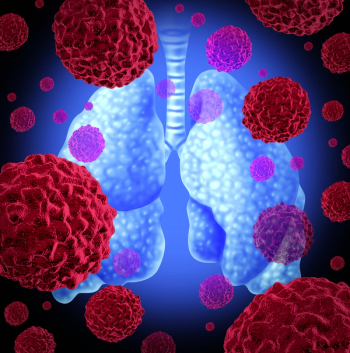
A recent comprehensive, prospective study of smoking habits among patients with non-small cell lung cancer demonstrated a high rate of smoking reduction and cessation following entry into the phase 3 early-stage trial.

The FDA has granted priority review to sotorasib for the treatment of patients with KRAS G12C–mutated locally advanced or metastatic non–small cell lung cancer, after at least 1 previous systemic therapy.

Data from the FIGHT trial suggests that approximately 30% of patients with non-human epidermal growth factor 2-positive GEJ cancers overexpress fibroblast growth factor receptor 2.