
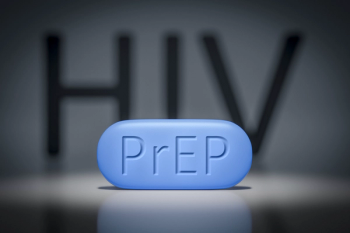
PrEP reduces the risk of getting HIV from sex by about 99% for certain patient population with consistent adherence.
PrEP reduces the risk of getting HIV from sex by about 99% for certain patient population with consistent adherence.

Zilucoplan is a subcutaneous, self-administered peptide inhibitor of complement component 5.

Pharmacists can provide their knowledge to female patients but also ensure women are adequately represented in research.

Despite evidence of a higher risk of myocarditis or pericarditis with COVID-19 vaccination, immunization should still be recommended because the benefits likely outweigh the harms, study shows.
Pharmacists can offer advice on nonpharmacologic and pharmacologic prevention and treatment strategies.
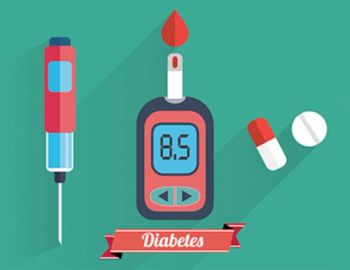
New continuous glucose monitor systems provide additional support and quality of life improvements for patients with diabetes.

Updated prescribing guidelines issued in 2014 and 2016 may explain lower use of opioids by 11.7% among patients with chronic, nonsurgical pain.

States with a higher prevalence of Medicaid patients with type 2 diabetes were found to have lower use ratio of glucose-lowering agents with known cardiovascular benefits.

Working for the USPHS offers unique compensation and quality-of-life benefits.

A new study suggests that 30.5% of US adults lose out on 1 hour or more of sleep due to disturbances.

Pharmacists and health care providers should be familiar with the management of xylazine overdose and withdrawal.
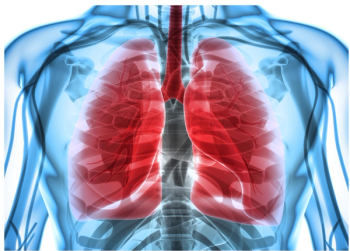
FDA committee voted that trial data do not support the benefits outweighing the risks in patients aged 12 to 17 years and children aged 4 to 11 years for the use of albuterol/budesonide in the treatment of asthma.
One day soon, including pharmacogenomics testing for all patients will be essential for precise prescribing.
Katrina Skinner is the president of the Alabama Chapter of the American Academy of Pediatrics.

The framework includes 6 domains designed to immediately empower students in community pharmacies.

These show promise as markers to help identify individuals with the conditions and develop targeted therapeutic options.

Analysis includes an overview of the epidemiology, expression, and treatment of human papillomavirus infections during both gestation and childhood.

Providing trauma-informed care is a crucial role for pharmacists.

The American Heart Association issued a dietary guidance in 2021 suggesting that adults consume a variety of fruits and vegetables, choose whole grains instead of refined grains, eat healthy protein sources and lean cuts of meat, and substitute nonfat and low-fat dairy products for full-fat versions, among other measures.

In 2020, heart disease death rates increased in adults across all age, sex, racial and ethnic groups, specifically among younger adults and non-Hispanic Black adults.
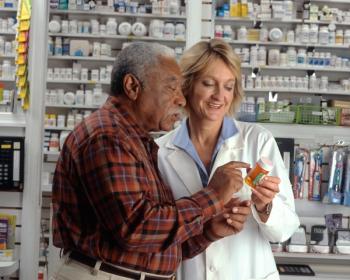
Study results revealed a significant correlation between perceived quality of pharmacy structure, pharmacy engagement, and customer devotion.
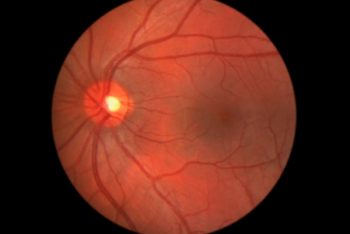
Retinal vein occlusion is the second most common cause of vision loss from retinal vascular diseases.

Shayla Smith was the recipient of the 2022 Next Generation Pharmacist – Technician of the Year award.

A 30-µg booster dose of the Omicron BA.4/BA.5-adapted bivalent vaccine may produce a higher level of protection against the Omicron BA.4 and BA.5 sublineages than the original COVID-19 vaccine.

With many different classes of medications used in the treatment of major depressive disorder, pharmacists can have a significant impact on patients' lives, from counseling on medications to assisting with finding the right medication.

Four individuals in a new study achieve improvement, with a 35% to 70% reduction in PASI scores.

Tetracyclines have been shown to offer some degree of immune protection resulting in mucosal healing, and in this study, they had one of the smaller associations with herpes zoster.
Host Dr. Joanna Lewis and Dr. Brooke Griffin, discuss why it's important to invest in yourself, identify your values, and commit to the highs and lows of your career.
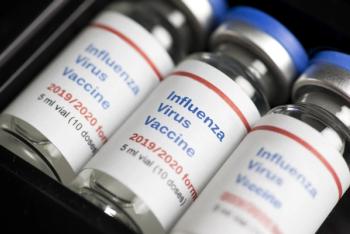
Agency expects the highest level of activity in the south-central and Southeast areas of the United States.
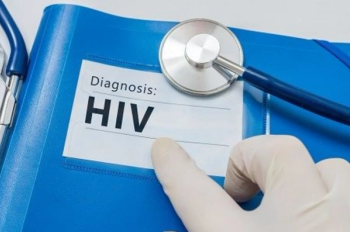
Although the number of new HIV infections in the world have declined, there are still regions that are geographically heterogenous that have reported an increase in infection rates.