

Community/Retail
Advertisement
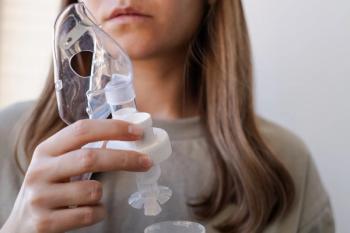
With a more direct mechanism of action against viral replication compared with standard treatments, the small interfering RNA (siRNA)-based MIR 19 treatment could revolutionize outpatient COVID-19 treatment.
Advertisement

Pharmacy and physician were defendants.

Pharmacy technicians have a pivotal opportunity to advance professionally by proactively demonstrating leadership, offering solutions, and clearly communicating their value to health care leaders.

The safety profile of diazepam nasal spray among pediatric patients was consistent with older patients, supporting its use in this age group.
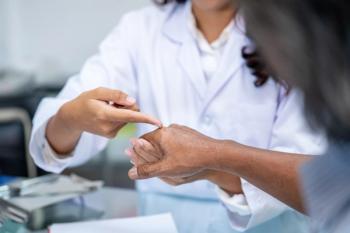
The designation was supported based on data from the randomized, double-blind, active-controlled phase 3 interchangeability study.
Advertisement

Patients who received a pneumococcal 13-valent conjugate vaccination had slightly lower incidence of severe COVID-19 outcomes, but the directions of these associations were mixed.

SOC emphasizes adaptability and individual professional judgment without compromising quality, as individuals are held to the standard and expertise of their practice area.

Data indicate potential benefits and risks with nutritional supplement use, highlighting the need for pharmacist counseling.
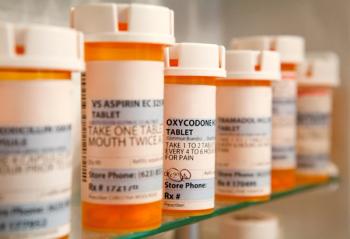
Expert provides a comprehensive overview of drug diversion prevention in pharmacy settings.
Advertisement

Collecting, analyzing, and interpreting data are pharmacist skills.

Rather than turning to vitamin K supplements, individuals should incorporate more vegetables into their diets.
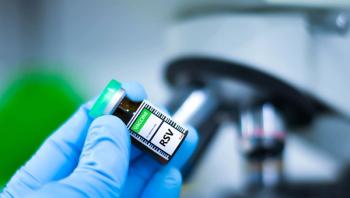
The findings suggest a positive impact of RSV vaccination on RSV-associated hospital admission, emphasizing the importance of protection in this population.

Meaningful reform was challenging in 2024, but this year could turn the tide.

When used in combination with background statin therapy, AZD0780 resulted in major reductions in low-density lipoprotein cholesterol (LDL-C) and achievements of guideline-recommended LDL-C goals.
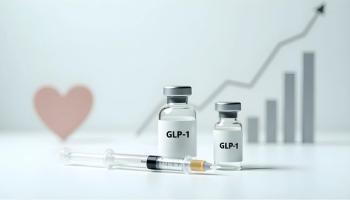
Automated diagnosis verification offers a promising alternative for managing the use of GLP-1 medications.
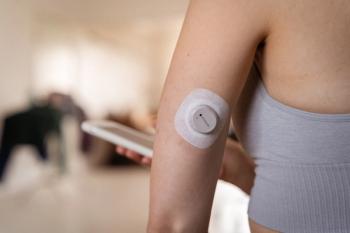
Data show that the system is also the most accurate continuous glucose monitor (CGM).
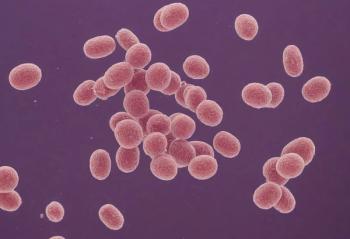
In a survey among community pharmacists in South Carolina, many pharmacists were unable to correctly identify proper pneumococcal vaccination guideline, raising concerns.

Many other issues on the new administration’s plate are taking priority.

Conventional wisdom on growing old is getting a second look.
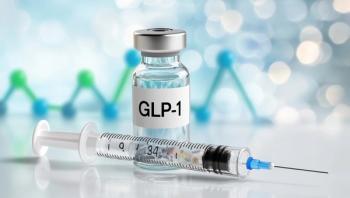
Pharmacists play a key role in educating patients and prescribers on the selection, use, and management of GLP-1 receptor agonists in diabetes care.
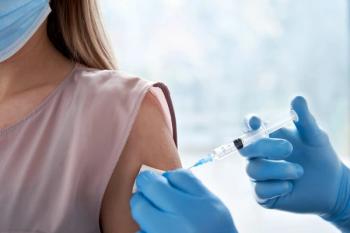
Monetary incentives to receive a COVID-19 vaccine at a public vaccination event may have inadvertently turned away others from receiving a booster, emphasizing the importance of recognizing spillover in trials addressing vaccine hesitancy.

Pharmacy professionals gathered at the American Pharmacists Association 2025 Annual Meeting and Exposition and discussed critical insights in interviews with Pharmacy Times®.
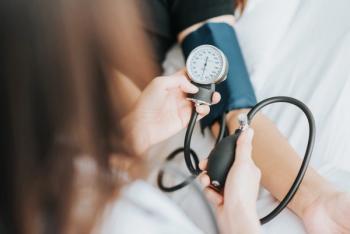
Small changes in blood pressure and pulse were shown in patients of all ages, and the authors suggested that these are monitored carefully in patients being treated for ADHD.

Pharmacists are essential navigators in the complex landscape of gene therapy.
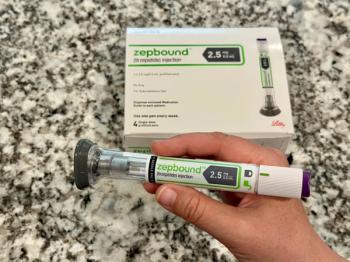
Tirzepatide-treated patients with chronic kidney disease (CKD), obesity, and heart failure with preserved ejection fraction (HFpEF) had improved renal function both by cystatin C and creatinine.

Beth A. Malow, MD, MS, FAAN, said that pharmacists and health care professionals are at the frontlines of collaborating and raising awareness of climate change’s impacts.

Malow also emphasized the importance of staying educated on the potential neurological risks that may occur as a result of climate change.
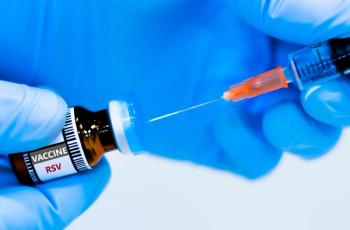
A significant portion of unvaccinated individuals were open to future vaccination.
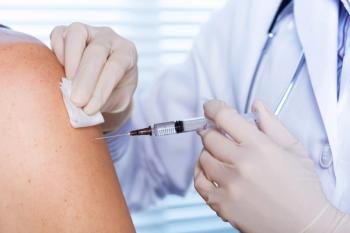
The poll also showed that social media and general media coverage influenced about 33% of participants to not get vaccinated.
Advertisement
Advertisement
Trending on Pharmacy Times
1
TrumpRx Launches, Offering Cash-Paying Patients Discounted Drugs
2
Nipah Outbreak in India Poses Low Global Risk Despite Lack of Approved Treatments
3
Pharmacist Takeover: CAR T Therapy Signals a Shift in ALL Treatment
4
SGLT2 Inhibitors in T2D Lower 5-Year Risk of CKD and Acute Kidney Injury
5