

Six years following vaccination with 23-valent pneumococcal polysaccharide vaccine in a Chinese population, antibody levels remained high, although not as high as 28 days following vaccination.
Six years following vaccination with 23-valent pneumococcal polysaccharide vaccine in a Chinese population, antibody levels remained high, although not as high as 28 days following vaccination.
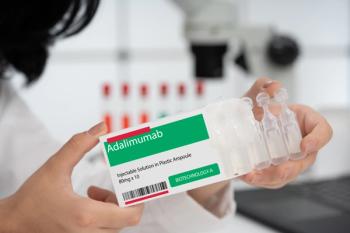
Hulio shows comparable efficacy and safety to Humira in treating chronic plaque psoriasis, supporting its FDA interchangeability status.

Low-energy total diet replacement programs show promise for individuals with obesity and type 2 diabetes, without increasing eating disorder risks.
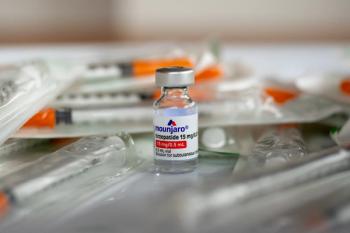
The session highlighted tirzepatide’s unique mechanism of action, based on comprehensive clinical data and real-world evidence.

Continuous glucose monitoring (CGM) is poised to transform type 2 diabetes management.

Ready-to-use glucagon simplifies hypoglycemia rescue by providing easy-to-use options for patients and caregivers.
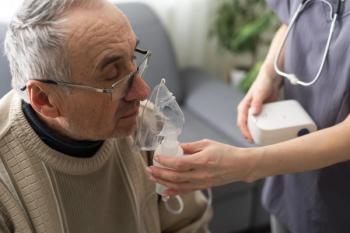
Pharmacists have the skills to improve patient outcomes and relieve burdens on other providers.
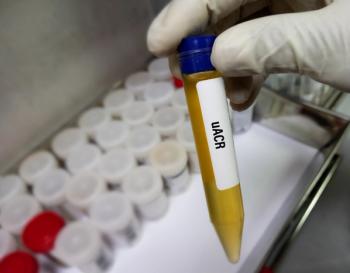
Lorundrostat reduces blood pressure and urine albumin-to-creatinine ratio in patients with chronic kidney disease (CKD) and hypertension.

Continuous glucose monitors provide individuals with type 2 diabetes with real-time, actionable insights about their health.
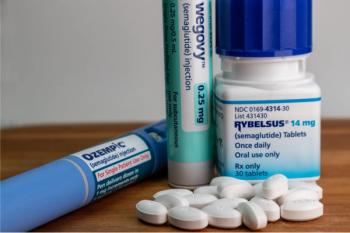
Oral semaglutide shows promising cardiovascular benefits for type 2 diabetes patients, reducing major adverse events by 14% in the SOUL trial.
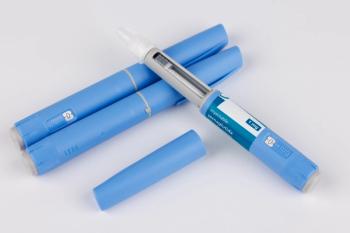
CagriSema shows promising weight loss and metabolic benefits in recent trials, offering new hope for obesity and type 2 diabetes management.

Experts discuss the low prescription rates of ready-to-use glucagon for individuals with diabetes.

Expert shares insights on advancing diabetes care in community pharmacies.
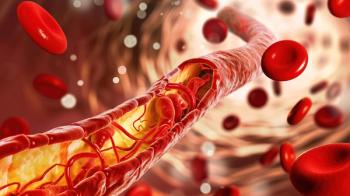
Semaglutide shows promise in enhancing walking ability and reducing disease progression in patients with type 2 diabetes and peripheral artery disease.

The expert discusses the evolving landscape of diabetes treatment, emphasizing the importance of comprehensive care beyond glucose management.

The expansion of pneumococcal vaccine recommendations would ultimately lead to economic and health benefits, especially for underserved populations.
The FDA approves dupilumab as the first targeted treatment for bullous pemphigoid, offering hope for patients with this debilitating skin condition.

Amy Duong, PharmD, BCACP, highlights the importance of patient counseling and addressing logistical challenges in treating patients with chronic inflammatory demyelinating neuropathy (CIDP).

Gowri Reddy Rocco, MD, MS, discusses how low vitamin D3 levels, insulin resistance, and metabolic health are critical yet often overlooked factors in understanding and treating long COVID.

Expert shares key upcoming sessions at the American Diabetes Association 85th Scientific Sessions.

Discover essential tips for sunburn prevention and treatment, insect bite protection, and effective remedies for outdoor fun with family.

When no contraindications are present, most cases can be managed well with nonsteroidal anti-inflammatory drugs.


Its approval was based on data from a 3-year trial that enrolled patients with alkaptonuria.
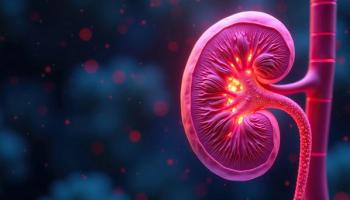
Remnant cholesterol, a novel lipoprotein marker linked to elevated triglycerides, is associated with increased risk of progression and development of chronic kidney disease.

Diet influences blood pressure, cholesterol levels, and overall heart function.
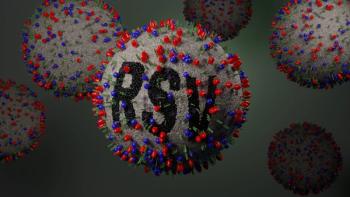
New research highlights the significant health risks of respiratory syncytial virus (RSV) in older adults, emphasizing the need for effective vaccines and public health strategies.
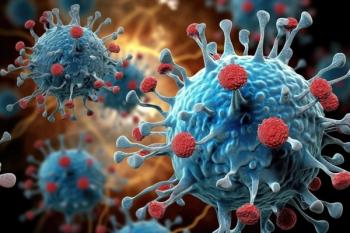
When infected with SARS-CoV-2, the virus that causes COVID-19, higher levels of proinflammatory cytokines are released in men compared with women, leading to more severe disease.
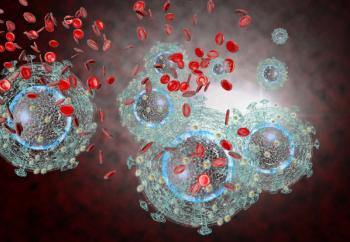
Lenacapavir becomes the first and only twice-yearly option for HIV prevention.

Combining omega-3 supplements with exercise enhances immune response and alleviates tooth infections, offering new insights into managing apical periodontitis.