
The approval was supported by findings from the TRITON3 trial, which enrolled certain patients with metastatic castration-resistant prostate cancer (mCRPC).
The approval was supported by findings from the TRITON3 trial, which enrolled certain patients with metastatic castration-resistant prostate cancer (mCRPC).
Patients learn the importance of understanding treatment-related skin issues, recognizing symptoms, and adopting gentle skincare practices for better management.
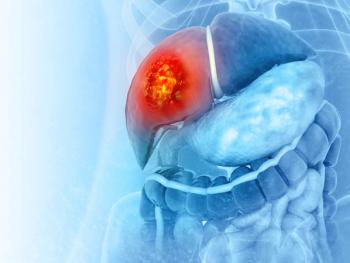
This review examines the mechanisms of therapy, summarizes the existing literature, and highlights the evolving treatment options for unresectable hepatocellular carcinoma.

Biosimilars are set to revolutionize oncology by enhancing access and affordability while maintaining safety and efficacy.
Discover how GLP-1 receptor agonists may benefit breast cancer patients by promoting weight loss and improving long-term health outcomes.
ctDNA analysis revolutionizes cancer treatment by predicting responses, detecting resistance, and monitoring minimal residual disease in patients.
FDA grants a national priority voucher to teclistamab and daratumumab for relapsed/refractory multiple myeloma, enhancing treatment approval speed.

Second-line and later treatment options for synovial sarcoma are limited. Afamitresgene autoleucel is the first FDA-approved T-cell receptor therapy, demonstrating long-lasting responses and tolerable adverse effects in pretreated patients.
Explore the latest insights on breast cancer treatment, focusing on radiation, endocrine therapy, and the role of pharmacists in patient care.
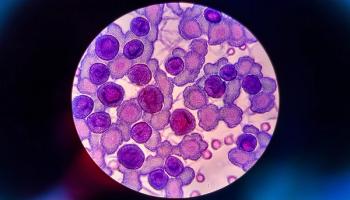

The approval is supported by findings from the phase 3 DESTINY-Breast09 trial.
New findings at SABCS reveal MammaPrint's role in identifying early-stage breast cancer patients who benefit from anthracyclines, reducing unnecessary treatment.

Research reveals that isatuximab on-body injector shows consistent safety and efficacy across various body weight groups in multiple myeloma treatment.

SABCS 2025 showcases breakthroughs in breast cancer therapy, emphasizing novel therapies and precision medicine to enhance patient outcomes.

Pivotal FDA approvals in breast cancer treatment focused on precision medicine and innovative therapies in 2025.

Pharmacists enhance oncology care by guiding younger patients through precision diagnostics like ctDNA MRD testing, driving innovation in cancer treatment.
The FDA has approved a new combination therapy for BRCA2-mutated metastatic prostate cancer, showing significant efficacy in clinical trials.
Exploratory findings from the MONALEESA-3 trial presented at SABCS 2025 show ribociclib plus fulvestrant significantly enhances survival in ILC.
Discover how antibody drug conjugates (ADCs) are transforming treatment for HER2-positive breast cancer with brain metastases at SABCS 2025.
SABCS showcases emerging trends in breast cancer treatment, emphasizing pharmacists' vital role in medication management and patient care strategies.

Kelly Gable, professor and director of well-being and resilience at Southern Illinois University Edwardsville School of Pharmacy, discusses her own cancer journey and how pharmacists need to be more involved and proactive in patients' mental health.
Explore innovative biomarkers to enhance immunotherapy for early-stage TNBC, aiming to improve patient outcomes and treatment precision.

Experts explore the evolving role of HER2- and TROP2-targeted therapies in breast cancer treatment at SABCS 2025, highlighting ADC advancements.
Explore the pleiotropic effects of GLP-1 agents in oncology care, highlighting their benefits and considerations for pharmacists and clinicians.
Latest findings presented at SABCS 2025 support trastuzumab deruxtecan's effectiveness and safety in treating HER2-positive breast cancer.
New research highlights the benefits of adding isatuximab to standard therapy for newly diagnosed multiple myeloma (NDMM), improving patient outcomes and quality of life.
Tucatinib enhances first-line maintenance therapy for HER2-positive metastatic breast cancer, improving progression-free survival and safety outcomes, as shown in the HER2CLIMB-05 trial.
Cell-cycle–focused CDK inhibitors offer new options for HR+/HER2– metastatic breast cancer after CDK4/6 resistance.
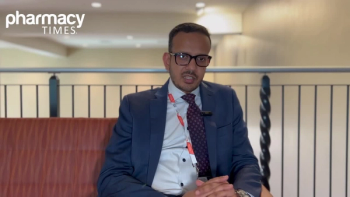
Pharmacists play a vital role in precision oncology, enhancing treatment decisions for metastatic breast cancer through genetic testing and targeted therapies.

Oral SERDs and combination therapies are redefining post-CDK4/6 treatment in HR+/HER2– metastatic breast cancer.