
Scott Soefje, PharmD, MBA, BCOP, FCCP, FHOPA, offers insights for oncology pharmacists treating patients with metastatic esophageal squamous cell carcinoma.
Scott Soefje, PharmD, MBA, BCOP, FCCP, FHOPA, offers insights for oncology pharmacists treating patients with metastatic esophageal squamous cell carcinoma.
Scott Soefje, PharmD, MBA, BCOP, FCCP, FHOPA, discusses a case study of a patient with metastatic esophageal squamous cell carcinoma.
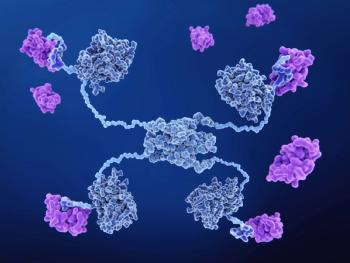
Siremadlin is a novel, investigational, second-generation antagonist that binds to MDM2.

Generics play a crucial role in mitigating drug shortages by offering a real alternative for 80% of drugs that are becoming increasingly unavailable in Italy.
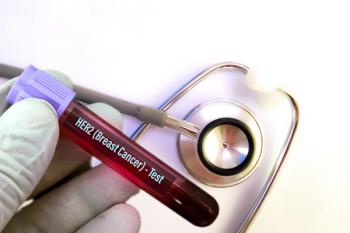
The predictive tool may reveal the mechanisms underlying treatment resistance in patients with HER+ breast cancer.
Nicolas Girard, MD, explains the benefits observed in the MARIPOSA clinical trial among patients with epidermal growth factor receptor (EGFR)-mutated non-small cell lung cancer (NSCLC) treated with amivantamab plus lazertinib.

By decade’s end, approval of additional bispecifics is expected for hematological malignancies, solid tumors, and non-oncology conditions such as inflammatory, autoimmune, neurodegenerative and vascular diseases, and ocular disorders and infections.

Evolving breast cancer risk models and prevention methods are necessary to improve patient outcomes, according to Sagar Sardesai, MD.
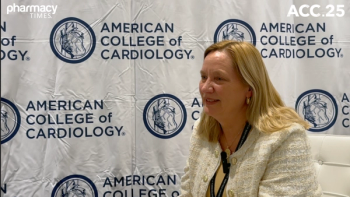
Sarah Spinler, PharmD, FCCP, FAHA, FASHP, AACC, discussed management of atrial fibrillation in patients with cancer.
Effective management of immune checkpoint inhibitor-related toxicities requires early intervention, evolving guideline adherence, and multidisciplinary collaboration, with steroids remaining a key treatment.

The antibody-drug conjugate is currently undergoing evaluation in a phase 1 trial that enrolled patients with pancreatic cancer and squamous non-small cell lung cancer (NSCLC).
The results should lead to a guideline update recommending extended treatment with a reduced-dose anticoagulant in this patient population.

PD-L1 immune checkpoint inhibitors are now standard for early-stage non-metastatic non-small cell lung cancer (NSCLC), with neoadjuvant, adjuvant, and perioperative strategies improving survival and outcomes.
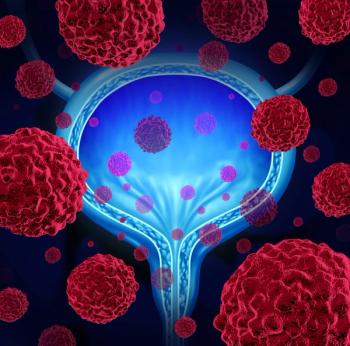
Approval of durvalumab is in combination with gemcitabine and cisplatin as neoadjuvant treatment for adults with muscle invasive bladder cancer.
Colorectal cancer cases are on the rise—here is everything you need to know as an oncology pharmacist.
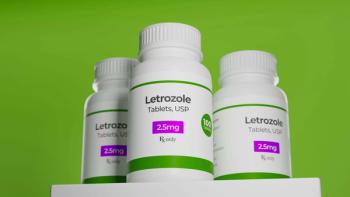
Aromatase inhibitors were superior to tamoxifen in reducing risk of contralateral breast cancer.

Patients with chronic lymphocytic leukemia (CLL) show weakened T-cell memory responses to COVID-19 vaccination.

The findings provide a deeper understanding of the mechanisms underlying breast cancer progression and treatment resistance.

Patients achieved statistically significant benefits in progression-free survival and overall response rates.
Megan May, PharmD, BCOP, FHOPA, FAPO, discusses lurbinectedin and tarlatamab and what ongoing research in the small cell lung cancer (SCLC) space entails.

National Adverse Drug Event Awareness Day was established to promote awareness, drive policy changes, and encourage health care professionals and patients to prioritize medication safety.

Specialty distribution models, including limited drug distribution systems, ensure safe medication access but can create barriers for patients, making medically integrated pharmacies essential in coordinating care.
After decades without improvements, an expert with Baptist Health described the small cell lung cancer (SCLC) space as “exciting” following multiple innovations in the past few years.

BeeR is a bacterial protein from the family Verrucomicrobiota that influences cell shape and division.
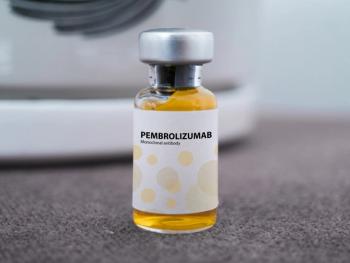
The combination was approved for treatment of patients with gastroesophageal junction (GEJ) adenocarcinoma.

The findings extend prior data underscoring the clinical benefit of the agent and its place in global clinical practice guidelines.
Sharita Howe, PharmD, discusses her recent acknowledgement by MM+M, who acknowledged her as a part of the next wave of health care leaders in their recognition of 40 under 40 leaders in health care.

David S. Bateshansky, PharmD, BCOP, discusses his role as an oncology pharmacist at USC Norris Comprehensive Cancer Center, noting the evolving recognition of pharmacists' contributions on cancer care teams.
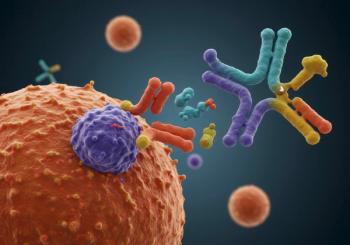
Tarlatamab was approved by the FDA in May 2024 for patients who progressed after platinum-based chemotherapy.

The Western diet was associated with increased risk of lung cancer.