
Targeted approach may lead to improved treatments for cancer.
Targeted approach may lead to improved treatments for cancer.
JAK2 could potentially cause treatment resistance in TNBC.
Prognostic model provides simple and accurate clinical description for each HCC patient.

JAK2 could potentially cause treatment resistance in TNBC.

Top news of the day from across the health care landscape.
Vitamin D deficiency has been associated with different cancer types, such as breast, lung, colon, and bladder cancers.

Cortistatin A is a natural product isolated from an Indonesian marine sponge with potent anti-angiogenic activity at low dosages.
Recent advances and updates in oncology and cancer drug development.

Top news of the day from across the health care landscape.
Chinese plant Huang-Qin compound shows promise treating cancer and liver disease.

CTLA-4 molecule on T cells offer potential therapeutic target.
Treatment costs climb with advanced-stage breast cancer compared with earlier stages.
Methotrexate and decadron could lower relapse rates of patients with acute lymphoblastic leukemia.
Faulty protein kinases can lead to conditions such as diabetes, cancer, and cardiovascular disease.

Breakthrough Therapy Designation nivolumab (Opdivo) granted for previously treated recurrent or metastatic squamous cell carcinoma of the head and neck (SCCHN) after platinum based therapy.
Cabometyx targets multiple tyrosine kinases involved in the development of renal cell carcinoma.

Neratinib plus paclitaxel did not improve outcomes in metastatic ERBB2-positive breast cancer.

Rapid plasma genotyping technique allow for more rapid test results in non-small cell lung cancer.
Mevalonate pathway associated with cell-signaling protein that promotes breast cancer development.

In some cases, Raynaud's Disease can cause blood circulation to fingers and toes to permanently diminish, leading to deformities.

Study finds 12 total drug classes that can cause Raynaud’s disease.

Blue-green algae discovered in Panama carries potent anti-cancer activity.

Recent advances and updates in oncology and cancer drug development.
Gastrointestinal stromal tumors result in higher mortality than originally estimated.

TZD-based medicines effectively improve glucose uptake.
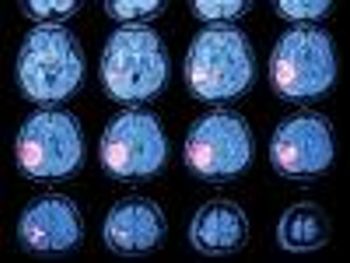
Advanced T cell receptor sequencing may predict efficacy of immunotherapy in brain cancer treatment.
Top news of the day from across the health care landscape.
Study finds fewer exchange health plans are placing specialty drugs on the highest tier.

Top news from across the health care landscape.
Pfizer announced Ibrance met its primary endpoint in postmenopausal women with human epidermal growth factor receptor 2-negative (ER+, HER2-) advanced or metastatic breast cancer.