

This abstract will be presented at the Oncology Pharmacists Connect (OPC) meeting in Austin, Texas, from June 19 to 20, 2025.
This abstract will be presented at the Oncology Pharmacists Connect (OPC) meeting in Austin, Texas, from June 19 to 20, 2025.
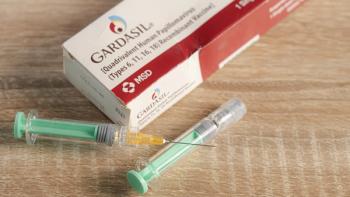
Significant challenges persist, particularly in low- and middle-income countries.

The approval of the tablet formulation of zanubrutinib covers all 5 approved indications of the Bruton tyrosine kinase inhibitor.
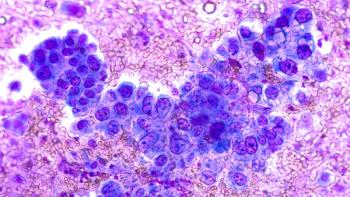
Taletrectinib demonstrated high response rates and was well tolerated among patients with ROS1+ non-small cell lung cancer (NSCLC).

This abstract will be presented at the Oncology Pharmacists Connect (OPC) meeting in Austin, Texas, from June 19 to 20, 2025.
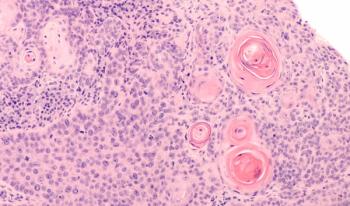
Building on positive event-free survival (EFS) and overall survival (OS) rates in the original analysis of CheckMate 77T, new results indicate sustained survival over 3 years following treatment with nivolumab compared with placebo in non-small cell lung cancer (NSCLC).
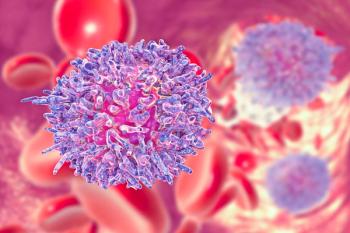
Asciminib shows superior tolerability over nilotinib in newly diagnosed patients with Philadelphia chromosome-positive chronic myelogenous leukemia in chronic phase, enhancing treatment options and patient outcomes.



Nivolumab plus relatlimab does not significantly improve recurrence-free survival in patients with stage 3, 4 melanoma.
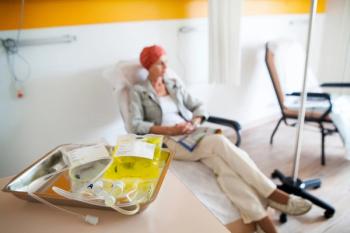
Nivolumab (Opdivo) and chemotherapy demonstrated an overall survival benefit at 5 years, affirming its role as a standard of care option.

A new study reveals the combination therapy enhances safety and efficacy for high-risk BRAF-mutated stage II melanoma.

Cilta-cel shows promise as a CAR T-cell therapy, offering long-term remission for patients with relapsed/refractory multiple myeloma without maintenance treatment.

Pharmacists lead the charge in implementing advanced therapeutics, navigating complex challenges and shaping the future of health care innovation.
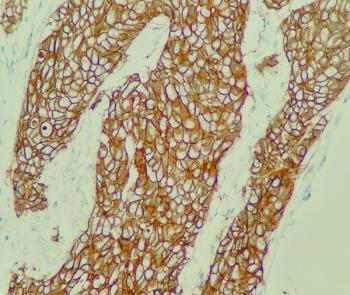
About 64.1% of patients receiving taxane, trastuzumab, and pertuzumab (THP) without carboplatin had pathological complete response rates (pCRs).
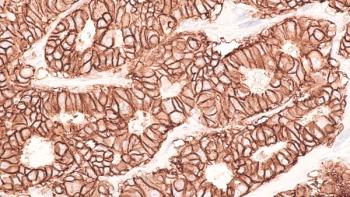
Vepdegestrant was the first PROTAC to be evaluated in a phase 3 clinical trial.
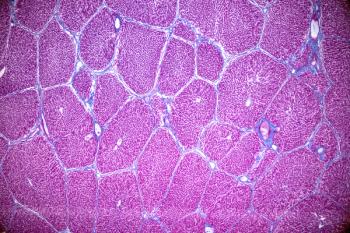
The investigators suggested that blocking VPS72’s interactions can be a foundation for future therapeutic interventions.

Granted accelerated approval by the FDA in 2024, tarlatamab continues to demonstrate efficacy and safety in patients with small cell lung cancer, with results showing improved overall survival and progression-free survival in patients who had progressed or previously received chemotherapy.
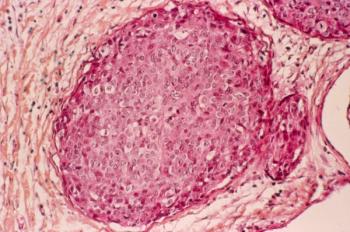
Compared with standard of care, camizestrant in combination with a CDK4/6 inhibitor shows promise in enhancing progression-free survival (PFS) for patients with advanced breast cancer.
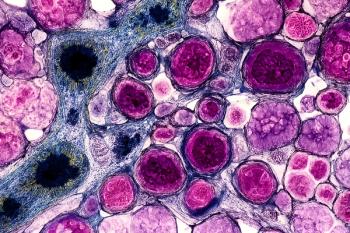
Vincent Chung, MD, discusses key findings from the NAPOLI-3 trial and offers guidance for pharmacists on managing toxicities, adjusting dosing, and supporting patients receiving NALIRIFOX for metastatic pancreatic ductal adenocarcinoma.
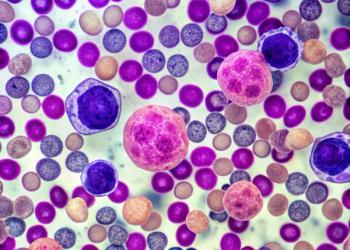
Saad Usmani, MD, MBA, FACP, FASCO, explores treatment duration, patient characteristics, and toxicity profiles in transplant-ineligible patients with newly diagnosed multiple myeloma.
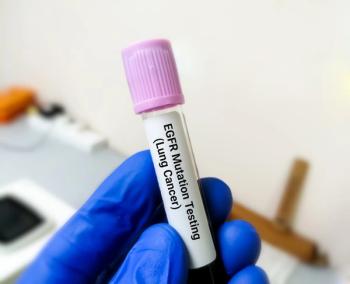
Results from the NeoADAURA trial demonstrate the sustained efficacy of osimertinib in patients with epidermal growth factor receptor-mutated (EGFRm) non-small-cell lung cancer (NSCLC).

Ibrutinib plus venetoclax shows promising long-term survival rates, including those who are considered high risk.

New research finds that adding carboplatin to paclitaxel and adjuvant chemotherapy shows no significant survival benefits in triple-negative breast cancer (TNBC).
Experts share insights on patient discussions and adverse effect management strategies in HER2 breast cancer.
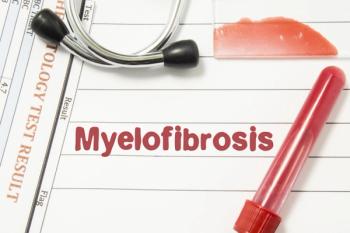
Explore the latest advancements in myelofibrosis treatment, focusing on JAK inhibitors and pegylated interferons for improved patient outcomes.

The FDA has approved darolutamide for patients with metastatic castration-sensitive prostate cancer after positive results in the ARANOTE clinical trial.

Clairity Breast's FDA-approved AI platform revolutionizes breast cancer risk prediction, enhancing early detection and personalized prevention strategies.

Zongertinib shows promising efficacy and safety for HER2-mutant NSCLC, with a 71% response rate and low toxicity, paving the way for future treatments.

Laura Momoko Asakura, PharmD, BCOP, BCSPS, discusses the equitable use of oncology treatment pathway tools, highlighting that their utilization remains consistent across patient groups regardless of race, ethnicity, or insurance status.